
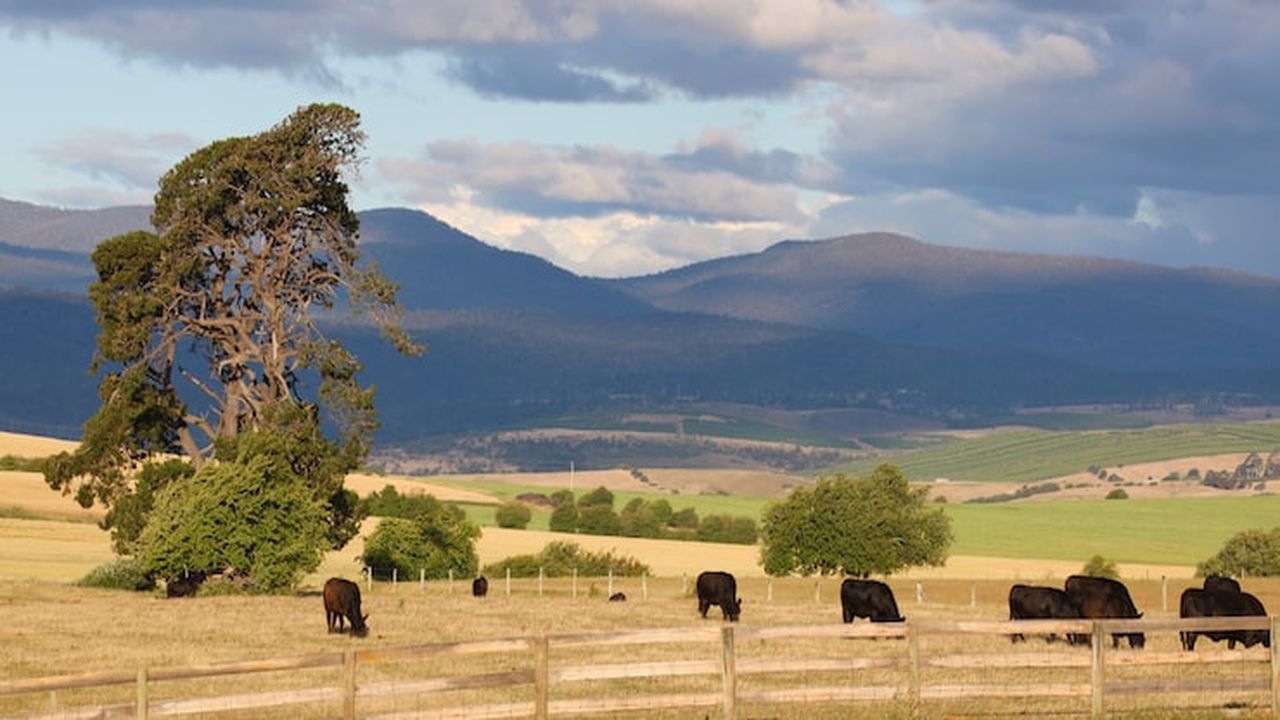
 Australia, a land of beauty and complexity, is facing a convergence of challenges: from climate crisis impacts to food insecurity. Yet, amidst this turmoil, Australian farmers are emerging as champions of resilience in the food system. With Woolworths leading the charge and the country gearing up to host COP 31, the world is watching as farmers and agricultural leaders pave the way for sustainable change. Join me as we delve into how these stewards of the land are not just feeding the nation but also nurturing ecosystems and combating climate change.
Sustainability Practices in Australian Agriculture
Australia's agricultural sector is at the forefront of sustainability practices, with farmers and ag system leaders playing a pivotal role in building resilience in the face of climate change and food insecurity. Organizations like the United Nations have recognized the importance of sustainable agriculture in addressing global challenges. Australian farmers are embracing regenerative farming techniques to restore soil health, sequester carbon, and protect biodiversity. By working in harmony with nature, farmers are not only ensuring food security but also contributing to the overall health of ecosystems.
The commitment to sustainability is further exemplified by initiatives such as Woolworths's focus on ethical sourcing and transparency in its supply chain. By partnering with local farmers who prioritize sustainable practices, Woolworths is not only supporting the livelihoods of these farmers but also promoting environmentally friendly agriculture. This emphasis on sustainability is crucial in the context of climate change, where the agricultural sector is both a contributor to and a victim of environmental degradation. Through sustainable practices, Australian farmers are demonstrating that profitability and environmental stewardship can go hand in hand.
Collaboration for Resilient Supply Chains
Collaboration between various stakeholders, including farmers, businesses, and non-profit organizations, is essential for building resilient supply chains. The partnership between OzHarvest and local farmers highlights the potential for reducing food waste and addressing food insecurity. By rescuing surplus food and distributing it to charities, OzHarvest is not only tackling food waste but also ensuring that nutritious food reaches those in need. This collaborative approach not only benefits the community but also fosters a sense of social responsibility among all participants in the supply chain.
Moreover, the involvement of the Australian Conservation Foundation (ACF) underscores the importance of cross-sector partnerships in promoting sustainability. By advocating for policies that protect wildlife and natural resources, ACF is creating an enabling environment for farmers to adopt sustainable practices. The collaboration between ACF, farmers, and other stakeholders is a testament to the power of collective action in driving positive change. As Australia prepares to lead negotiations at COP 31, such collaborations will be instrumental in advancing sustainable agriculture on a global scale.
Empowering Farmers as Agents of Change
Empowering farmers to take ownership of their role as stewards of the land is crucial for driving sustainable practices in agriculture. Organizations like the United Nations have emphasized the need to support smallholder farmers in adopting climate-smart agricultural techniques. By providing training, resources, and market access, farmers can enhance their resilience to climate change while improving their livelihoods. Recognizing the knowledge and expertise of farmers is essential for co-creating sustainable solutions that benefit both farmers and the environment.
Furthermore, initiatives that amplify the voices of farmers, such as the "Voices of Australian Farmers" event, play a vital role in showcasing the experiences and challenges faced by those working on the front lines of agriculture. By sharing their stories and insights, farmers can inspire others to adopt sustainable practices and foster a deeper appreciation for the work they do. Platforms that elevate farmer voices, like the event organized by Food Tank in collaboration with Woolworths and other partners, contribute to building a more inclusive and sustainable food system that values the contributions of farmers.
Conclusion
As Australia stands at the forefront of sustainable agriculture, Woolworths and local farmers exemplify a harmonious blend of profitability and environmental stewardship. Through collaboration with organizations like OzHarvest and the Australian Conservation Foundation, resilient supply chains are being forged, tackling food waste and advocating for wildlife protection. Empowering farmers as agents of change, from smallholders to industry leaders, is key to driving sustainable practices and amplifying their voices globally. As we witness this transformative journey towards a more inclusive and eco-conscious food system, let us all be inspired to support and champion the vital role of farmers in nurturing our planet and securing our future.