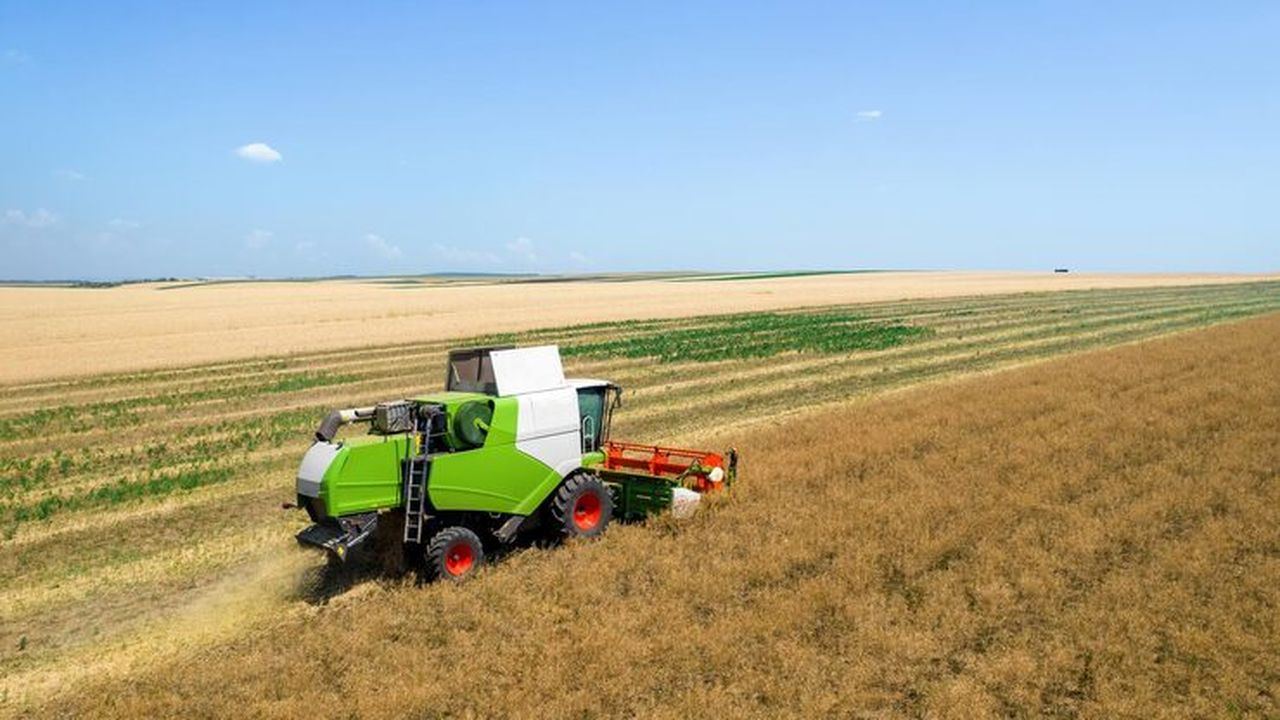
 In a groundbreaking move towards sustainable agriculture, Case IH has clinched the prestigious Automotive Business 2025 Award in the Energy Transition category in Brazil. The award recognizes the brand's pioneering ethanol-powered machines, a technology aimed at reducing emissions and fostering sustainability in agribusiness. This win underscores Case IH's unwavering dedication to decarbonizing agriculture while enhancing productivity. Leandro Conde, Director of Marketing and Communication for Latin America at CNH, emphasizes the strategic importance of ethanol in Brazil and the brand's commitment to expanding its renewable-powered machinery portfolio. The project's progress, from showcasing the prototype at Agrishow 2024 to recent field tests, signifies a significant step towards a more sustainable future in the agricultural sector.
The Shift Towards Sustainable Agriculture
Case IH's success in the Energy Transition category at the Automotive Business 2025 Award highlights a significant shift towards sustainable agriculture practices. By focusing on ethanol-powered machines, the brand is not only reducing emissions but also setting a new standard for eco-friendly farming equipment. This move aligns with the global trend towards decarbonization and underscores the importance of renewable energy sources in the agricultural sector. As Leandro Conde from CNH emphasizes, the commitment to sustainability is not just a choice but a strategic imperative for companies looking to thrive in a rapidly changing market landscape. The adoption of such innovative technologies not only enhances environmental performance but also signals a proactive approach towards meeting ESG goals and ensuring long-term business resilience.
Driving Innovation and Technological Advancements
The development of ethanol-powered machines by Case IH represents a significant leap in technological innovation within the agricultural machinery sector. By leveraging ethanol as a strategic fuel, the brand is not only reducing its carbon footprint but also driving advancements in engine technology. The successful integration of ethanol into agricultural machinery opens up new possibilities for sustainable farming practices and underscores the role of innovation in addressing pressing environmental challenges. This move also positions CNH as a pioneer in the field of renewable energy applications in agriculture, setting a benchmark for other industry players to follow suit and invest in green technologies for a more sustainable future.
Market Leadership and Competitive Advantage
Case IH's win at the Automotive Business 2025 Award not only solidifies its position as a market leader in sustainable agriculture but also provides a competitive edge in an increasingly ESG-focused business environment. By demonstrating a clear commitment to decarbonization and sustainability, the brand is not only meeting regulatory requirements but also gaining favor among environmentally conscious consumers and investors. This strategic alignment with ESG principles not only enhances brand reputation but also opens up new market opportunities and strengthens customer loyalty. As companies like CNH continue to prioritize sustainability in their operations, they are not only future-proofing their businesses but also contributing to a more environmentally responsible industry ecosystem.
Collaboration and Industry Partnerships
The success of Case IH's ethanol-powered machines project also highlights the importance of collaboration and partnerships in driving sustainable innovation. By working closely with stakeholders across the value chain, including suppliers, technology providers, and industry experts, the brand has been able to accelerate the development and deployment of eco-friendly agricultural machinery. This collaborative approach not only fosters knowledge sharing and expertise but also creates a network of support for sustainable initiatives. As CNH continues to forge alliances with like-minded organizations and invest in R&D efforts, the potential for transformative change in the agricultural sector becomes even more promising, paving the way for a greener and more sustainable future for the industry as a whole.
Conclusion
Case IH's groundbreaking win at the Automotive Business 2025 Award in Brazil not only cements its leadership in sustainable agriculture but also signifies a pivotal shift towards eco-friendly farming practices. By championing ethanol-powered machines, the brand not only drives innovation and technological advancements but also sets a new standard for market leadership and competitive advantage in the ESG landscape. As CNH continues to prioritize sustainability and forge collaborations, the path to a greener and more sustainable future in the agricultural sector becomes increasingly tangible. This success story serves as a compelling reminder of the transformative power of sustainable practices and the strategic imperative for businesses to embrace renewable energy solutions for a more resilient and environmentally responsible future.