
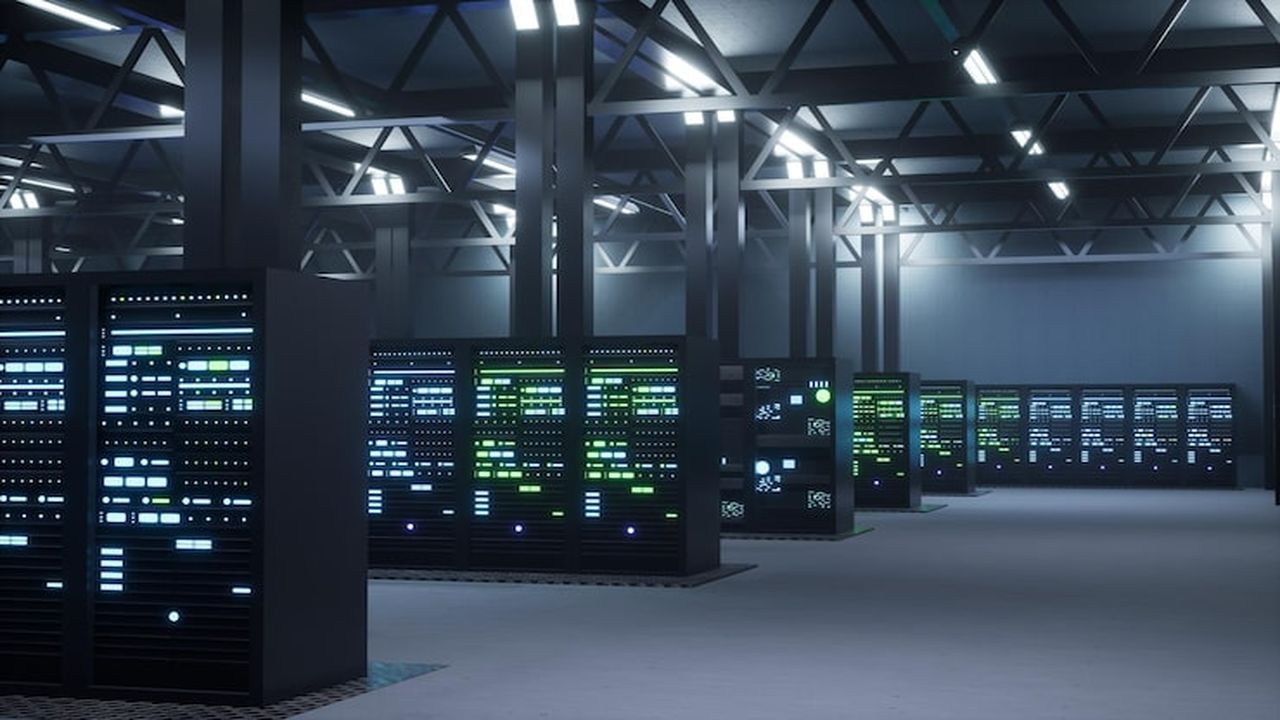
 In a rapidly evolving digital landscape, traditional data centers are facing a critical reckoning. A groundbreaking study commissioned by Lenovo unveils a stark reality: nearly half of EMEA IT leaders believe their current infrastructure falls short in supporting energy and carbon-reduction goals. As AI and energy pressures collide, the imperative for sustainable, future-proof data center design has never been more urgent. The research sheds light on the widening gap between digital ambition and infrastructure reality, emphasizing the pressing need for innovation and adaptation to meet the escalating demands of data sovereignty, sustainability, and AI integration in the region.
Evolution of Data Center Design
The study commissioned by Lenovo underscores a pressing reality: traditional data center designs are struggling to keep pace with the evolving landscape of technology and sustainability demands. With nearly half of EMEA IT leaders acknowledging that their current infrastructure does not align with energy and carbon-reduction goals, there is a critical need for a paradigm shift in data center design. The convergence of AI advancements and escalating energy pressures necessitates a future-proof approach that prioritizes sustainability, efficiency, and adaptability. As organizations navigate the complexities of data sovereignty and compliance requirements, the imperative for innovative and sustainable data center solutions becomes increasingly apparent.
Sustainability as a Strategic Imperative
Lenovo's research highlights a significant gap between the environmental aspirations of IT decision-makers and the current capabilities of data center infrastructure. While 92% of IT leaders prioritize technology partners that reduce energy consumption and carbon footprint, only 46% believe their existing data center design supports sustainability objectives. This discrepancy underscores the urgent need for a holistic approach to sustainability in data center operations. As businesses strive to align with ESG goals and enhance their environmental stewardship, the integration of cutting-edge technologies like liquid cooling becomes paramount in driving energy efficiency and reducing environmental impact. Companies that embrace sustainable data center practices not only mitigate risks associated with escalating energy demands but also position themselves as leaders in responsible business operations.
The Role of AI in Shaping Data Center Future
AI emerges as a transformative force reshaping the landscape of data center operations, with 90% of IT decision-makers anticipating a significant increase in organizational data usage driven by AI in the next decade. Despite the potential benefits of AI and automation, a substantial portion of organizations admit to being unprepared to integrate these technologies efficiently. Lenovo's emphasis on scaling data centers for AI underscores the strategic importance of adapting infrastructure to meet the evolving demands of digital transformation. By optimizing data center designs to accommodate AI workloads, organizations can enhance operational efficiency, drive innovation, and unlock new opportunities for growth. As businesses navigate the complexities of AI integration, the ability to leverage advanced technologies like liquid cooling solutions becomes instrumental in ensuring optimal performance and sustainability in data center operations.
Future-Proofing Data Centers for 2055 and Beyond
Lenovo's collaboration with engineering firm AKT II and architects Mamou-Mani offers a glimpse into the future of data center design, envisioning innovative solutions that prioritize sustainability, efficiency, and adaptability. The incorporation of water cooling technology and the utilization of natural resources signify a shift towards more eco-friendly and energy-efficient data center models. By reimagining traditional data center architectures and exploring unconventional locations for data infrastructure, organizations can address the dual challenges of increasing compute demand and stringent sustainability requirements. As businesses prepare for the data center landscape of 2055 and beyond, the adoption of forward-thinking approaches like liquid cooling technology emerges as a crucial enabler of sustainable growth and operational resilience in the digital age.
Conclusion
The study commissioned by Lenovo illuminates a stark reality: traditional data center designs are struggling to meet the escalating demands of sustainability and AI integration. As organizations grapple with the imperative for innovation and adaptation in data center design, the urgency for sustainable, future-proof solutions becomes undeniable. With a widening gap between digital ambition and infrastructure reality, embracing cutting-edge technologies like liquid cooling is not just a choice but a strategic necessity to drive operational efficiency, environmental stewardship, and competitive advantage. The future of data centers hinges on a holistic approach that prioritizes sustainability, efficiency, and adaptability, paving the way for a resilient and responsible digital ecosystem.