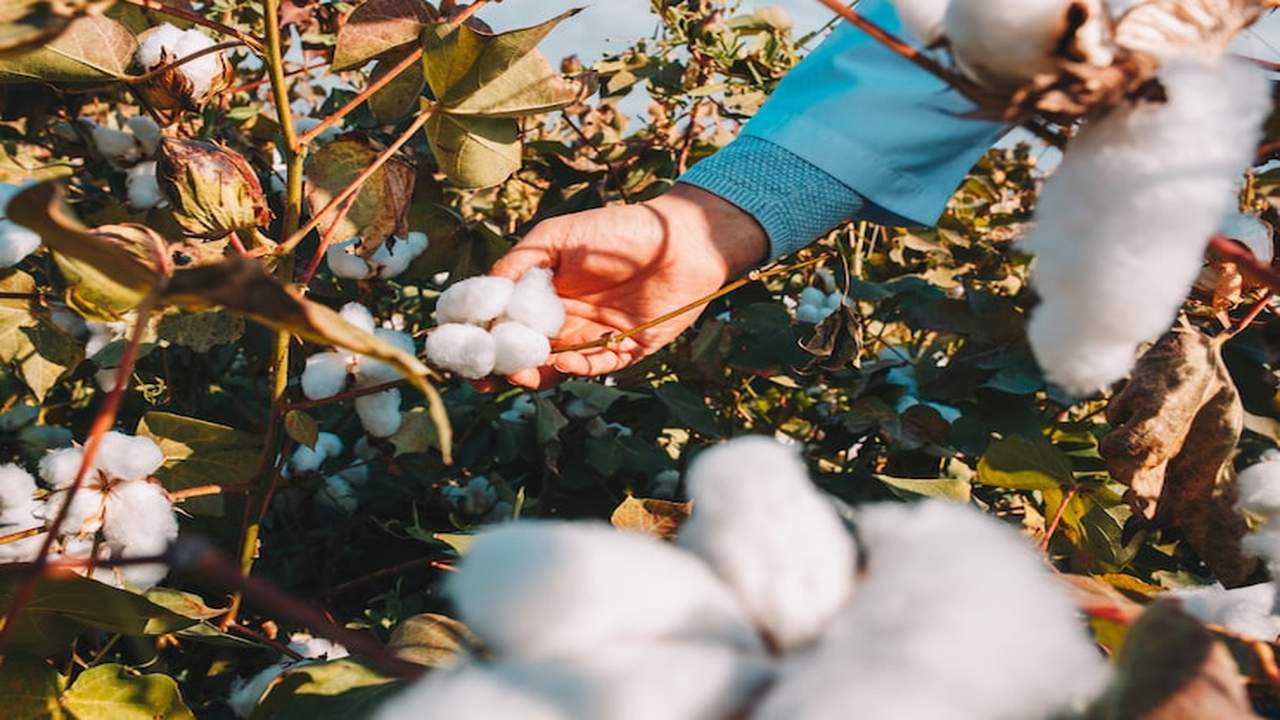
 Climate change is no longer a distant threat but an immediate reality reshaping the cotton industry worldwide. From Pakistan floods to California droughts, climate risks are disrupting supply chains and challenging long-term planning. Experts emphasize the urgent need for resilience and cross-sector collaboration to mitigate the escalating impacts of climate-related disasters. As Artistic Milliners, Bergman/Rivera, and others navigate the fallout of extreme weather events, the imperative for sustainable practices and transparent supply chains becomes increasingly evident.
Climate Risks Reshaping the Cotton Industry
The increasing frequency and intensity of climate-related disasters are posing significant challenges to the cotton industry globally. From the devastating floods in Pakistan to the prolonged droughts in California, extreme weather events are disrupting supply chains and highlighting the vulnerability of the sector. Companies like Artistic Milliners are experiencing firsthand the impact of such events, with disruptions in raw material stability and production processes. The need for resilience in the face of climate risks is more pressing than ever, as highlighted by experts advocating for sustainable practices and transparent supply chains. The imperative for cross-sector collaboration to address these challenges is clear, with a call for coordinated efforts to mitigate the escalating impacts of climate change on the textile industry.
Building Resilience Through Sustainable Practices
As climate change continues to reshape the cotton industry, the importance of building resilience through sustainable practices is paramount. Companies like Bergman/Rivera have recognized the need to adopt environmentally friendly and socially responsible approaches to mitigate climate risks. By implementing regenerative cotton programs and promoting organic farming practices, Bergman/Rivera is not only enhancing the resilience of its supply chain but also fostering a more sustainable ecosystem for cotton cultivation. Such initiatives not only benefit the environment but also contribute to the well-being and livelihoods of farmers, creating a more secure future for all stakeholders involved. The shift towards sustainable practices is not just a trend but a strategic imperative for companies looking to navigate the challenges posed by climate change and ensure long-term viability in the industry.
The Role of Cross-Sector Collaboration in Climate Resilience
Addressing the complex challenges posed by climate risks in the cotton industry requires a collaborative approach across sectors. Companies like Artistic Milliners are actively engaging with stakeholders to enhance climate resilience and adapt to the changing landscape. By working closely with farmers, suppliers, and industry partners, Artistic Milliners is exploring innovative solutions to mitigate the impact of extreme weather events on its operations. The disruptions caused by climate-related disasters underscore the interconnected nature of supply chains and the need for collective action to build a more resilient and sustainable cotton industry. Cross-sector collaboration is not only essential for managing immediate risks but also for fostering long-term resilience and ensuring the continued success of businesses in a rapidly changing climate.
Investing in Climate Resilience for a Sustainable Future
Amidst the growing challenges posed by climate risks, investing in climate resilience has become a strategic priority for companies in the cotton industry. Artistic Milliners and other key players are recognizing the importance of proactive measures to adapt to the changing climate and secure their supply chains. From implementing water stewardship initiatives to supporting farmers in adopting climate-smart agricultural practices, companies are taking concrete steps to build resilience and mitigate the impact of climate-related disasters. By investing in sustainable technologies, fostering partnerships, and prioritizing transparency in their supply chains, businesses are not only safeguarding their operations but also contributing to a more sustainable and resilient cotton industry for the future.
Conclusion
In a world where climate change is no longer a distant threat but an immediate reality reshaping the cotton industry, the imperative for sustainability, ethical sourcing, and transparency in global supply chains has never been clearer. Companies like Artistic Milliners and Bergman/Rivera are leading the charge in building resilience through sustainable practices, emphasizing the critical role of cross-sector collaboration in mitigating climate risks. As the industry navigates the escalating impacts of climate-related disasters, investing in climate resilience emerges as a strategic imperative for a sustainable future. The call for action is resounding: it is time for businesses to not only adapt but also proactively shape a more resilient and ethical cotton industry that thrives amidst environmental challenges.