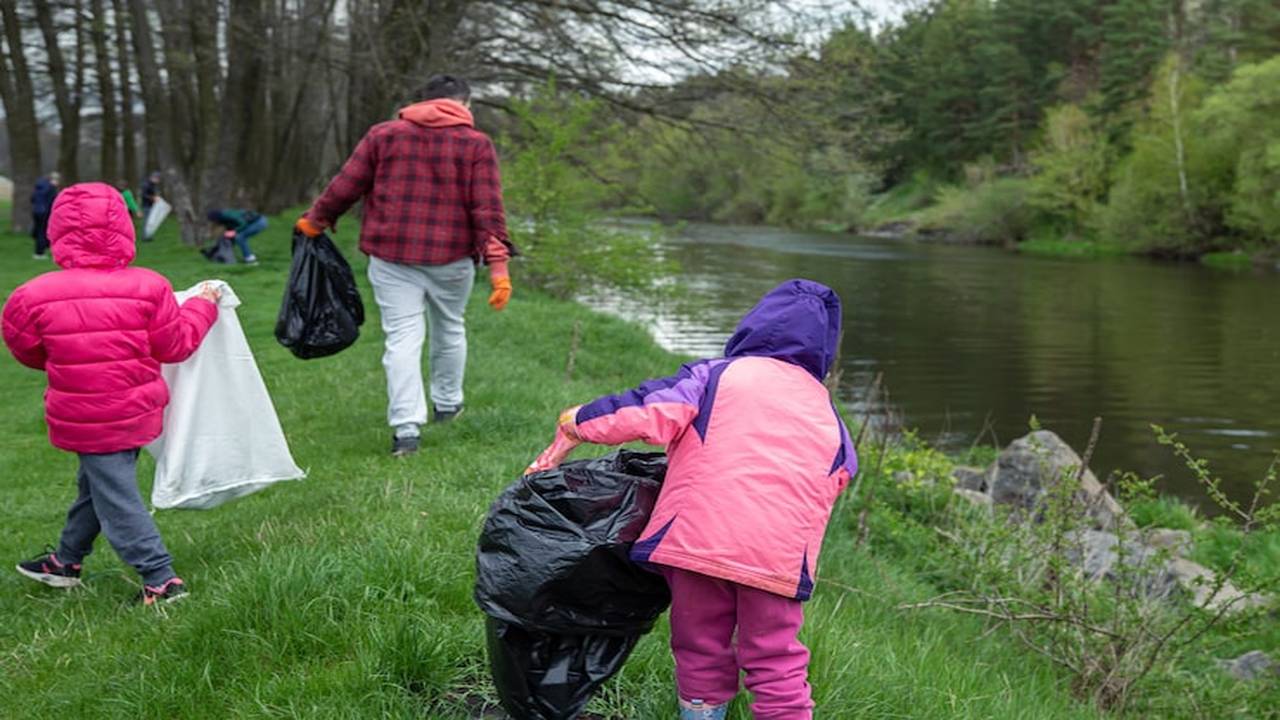
 In a groundbreaking environmental initiative, FedEx has successfully concluded its 2025 "Protecting One Kilometer of A River Course" program in China, in collaboration with the All-China Environment Federation. Spanning 15 cities and engaging over 3,000 volunteers, the program focused on diverse initiatives to safeguard water ecosystems. This achievement underscores FedEx's commitment to sustainability and community engagement, setting a new standard for corporate environmental responsibility. Through this program, FedEx not only made tangible contributions to environmental protection but also fostered a collaborative model involving businesses, civil society, and the public. This article delves into the key highlights of the program and the broader implications for sustainable business practices and environmental stewardship.
Sustainable Business Practices
Sustainability has become a cornerstone of corporate responsibility, with companies like FedEx leading the way in integrating environmental initiatives into their core operations. The successful conclusion of FedEx's "Protecting One Kilometer of A River Course" program in China exemplifies a strategic shift towards sustainable business practices. By engaging over 3,000 volunteers and collaborating with local environmental groups, FedEx not only demonstrated its commitment to environmental stewardship but also showcased the importance of cross-sector partnerships in driving meaningful change. This program serves as a testament to the fact that sustainability is no longer just a buzzword but a critical component of long-term business strategy.
In a study by McKinsey, it was found that companies with a strong focus on sustainability outperform their peers financially over the long term. This underscores the strategic implications of initiatives like the one undertaken by FedEx in China. By aligning environmental goals with business objectives, companies can not only enhance their reputation and brand value but also drive innovation and operational efficiency. As consumers and investors increasingly prioritize sustainability, businesses that fail to adapt may find themselves at a competitive disadvantage. Therefore, integrating sustainable practices, as demonstrated by FedEx, is not just a moral imperative but a strategic necessity in today's business landscape.
Community Engagement and Stakeholder Collaboration
The collaboration between FedEx and the All-China Environment Federation (ACEF) in the "Protecting One Kilometer of A River Course" program highlights the importance of community engagement and stakeholder collaboration in driving impactful sustainability initiatives. By bringing together environmental organizations, volunteers, and philanthropic partners, FedEx was able to leverage collective expertise and resources to achieve tangible outcomes. This collaborative model not only fosters a sense of shared responsibility but also paves the way for future partnerships that can address complex environmental challenges at scale.
According to a report by the World Economic Forum, effective stakeholder engagement is key to building resilient and sustainable supply chains. Companies that actively involve stakeholders in their sustainability efforts are better equipped to anticipate risks, identify opportunities, and build trust with their communities. The success of FedEx's program underscores the strategic value of engaging diverse stakeholders in environmental initiatives. By creating a platform for dialogue and collaboration, companies can not only enhance their social license to operate but also drive positive impact beyond their immediate business operations.
Innovation and Youth Empowerment
As part of its commitment to sustainability, FedEx launched the FedEx University Students Environmental Entrepreneurship Challenge in collaboration with the ACEF, aiming to foster innovation and youth empowerment in environmental conservation. This initiative not only highlights the importance of nurturing young talent in driving sustainable development but also underscores the role of innovation in addressing pressing environmental challenges. By engaging universities and youth in environmental entrepreneurship, FedEx is not only investing in future leaders but also catalyzing a culture of sustainability and innovation that can drive long-term impact.
Research by Deloitte indicates that companies that prioritize innovation are more likely to achieve sustainable growth and competitive advantage. By encouraging entrepreneurship and sustainability among youth, FedEx is not only sowing the seeds for future environmental leaders but also fostering a culture of creativity and resilience within the industry. As the next generation of business leaders, innovators, and changemakers, youth play a crucial role in shaping the future of sustainable business practices. Through initiatives like the Entrepreneurship Challenge, FedEx is not only investing in the future but also driving positive change in the present.
Conclusion
FedEx's successful completion of the "Protecting One Kilometer of A River Course" program in China not only exemplifies a strategic shift towards sustainable business practices but also underscores the critical role of community engagement and stakeholder collaboration in driving impactful environmental initiatives. By aligning environmental goals with business objectives and fostering innovation and youth empowerment, FedEx sets a new standard for corporate environmental responsibility. This achievement serves as a compelling reminder that sustainability is not just a buzzword but a strategic imperative for businesses looking to thrive in a rapidly evolving landscape where transparency, ethical sourcing, and environmental stewardship are paramount. As FedEx paves the way for a more sustainable future, it prompts reflection on the transformative power of cross-sector partnerships and the profound impact that businesses can have on the environment and society at large.