


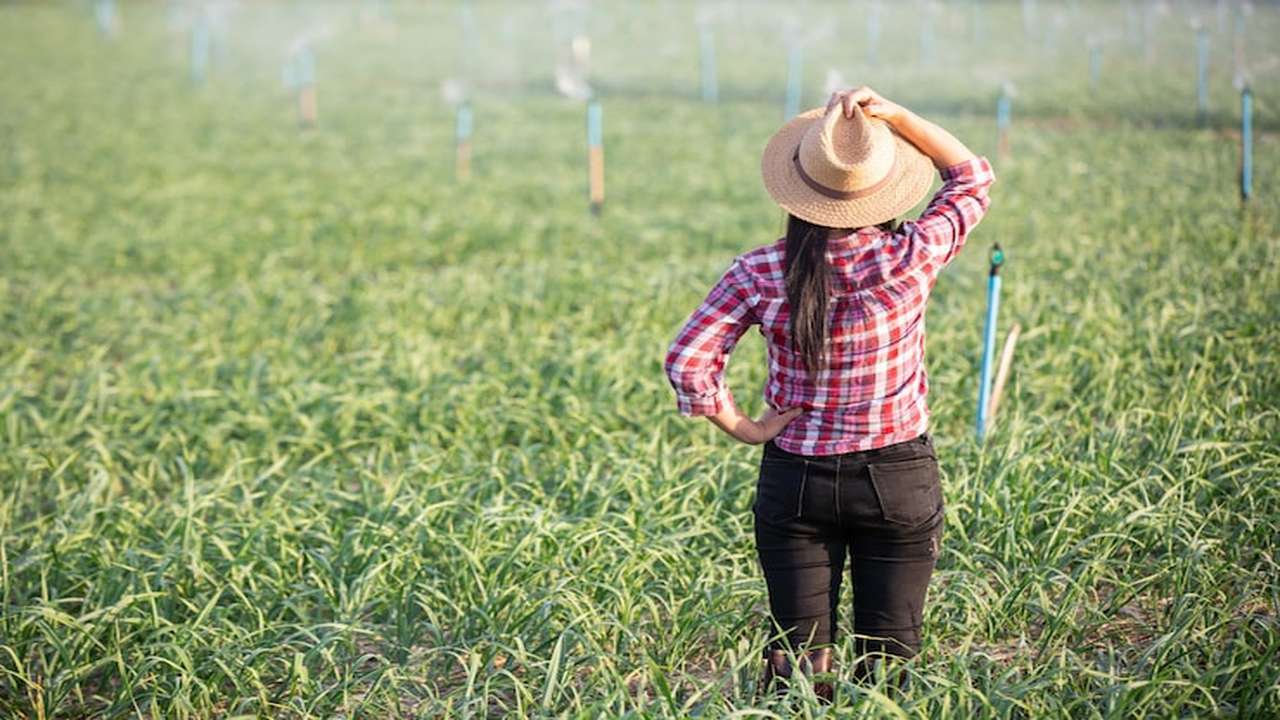
 With nearly one-third of the global population still facing food insecurity and corporate consolidation controlling 70% of the pesticide and seed market, the urgency for food sovereignty has never been greater. This article delves into the concept's roots, principles, and potential to transform global food systems. From empowering local communities to confronting industrial agriculture, the path to sustainable, equitable food production lies in embracing food sovereignty. Join us on a journey to understand how this movement can reshape the future of food.
Empowering Local Communities in Food Production
Food sovereignty emphasizes the importance of empowering local communities in food production to ensure sustainable and equitable practices. By placing decision-making power in the hands of those who produce, distribute, and consume food, the movement aims to create a more democratic and inclusive food system. Companies like La Via Campesina have been instrumental in advocating for the rights of small-scale farmers and indigenous communities, highlighting the significance of local knowledge and traditional farming practices in achieving food sovereignty.
Localizing food production not only strengthens community resilience but also reduces the environmental impact of long-distance supply chains. IPES-Food underscores the need for structural reforms that promote decentralized governance and counter corporate control of the food system. Through initiatives that support small-scale farmers and promote agroecological methods, companies can contribute to building more sustainable and community-centered food systems.
Confronting Industrial Agriculture for Sustainability
Confronting industrial agriculture is a critical aspect of advancing food sovereignty to ensure the long-term sustainability of global food systems. The concentration of market power among a few corporations, as highlighted by the National Young Farmers Coalition, poses a significant challenge to achieving a more equitable and environmentally friendly food system. By addressing issues such as market concentration, land ownership inequities, and farm viability, companies can play a vital role in reshaping the agricultural landscape towards a more sustainable future.
Industrial agriculture not only contributes to environmental degradation but also perpetuates social inequalities within the food system. La Via Campesina emphasizes the need to prioritize agroecological methods and support local food systems to mitigate the negative impacts of industrial farming practices. By promoting sustainable agriculture and advocating for policies that prioritize the well-being of both people and the planet, companies can contribute to the transition towards a more sustainable and just food system.
Restoring Soil Health and Biodiversity through Agroecology
Agroecology plays a central role in restoring soil health and biodiversity, key components of achieving food sovereignty and sustainable food production. Companies that embrace agroecological practices not only contribute to improving soil fertility and biodiversity but also reduce the reliance on chemical inputs that harm the environment. IPES-Food highlights the importance of agroecology in promoting long-term health equity and addressing structural issues within the food system.
By adopting agroecological approaches, companies can support initiatives that strengthen soil health, promote biodiversity, and enhance the resilience of food systems. National Young Farmers Coalition calls for measures to protect farmland, ensure affordable land tenure, and support the viability of small-scale farms. Through investments in agroecology and sustainable farming practices, companies can actively participate in the restoration of soil health and biodiversity, contributing to a more resilient and ecologically sustainable food system.
Conclusion
In a world grappling with food insecurity and corporate dominance, the call for food sovereignty resonates more urgently than ever. Empowering local communities, confronting industrial agriculture, and embracing agroecology are not just ideals but imperatives for a sustainable and equitable food future. As La Via Campesina and National Young Farmers Coalition advocate, the path to food sovereignty demands a shift in power dynamics, a reevaluation of agricultural practices, and a commitment to community resilience. Companies must heed this call, prioritize local knowledge, challenge market concentration, and invest in agroecological solutions to reshape global food systems. Let us not just envision but actively work towards a future where food sovereignty is not a dream but a reality, where food is not just a commodity but a fundamental human right.