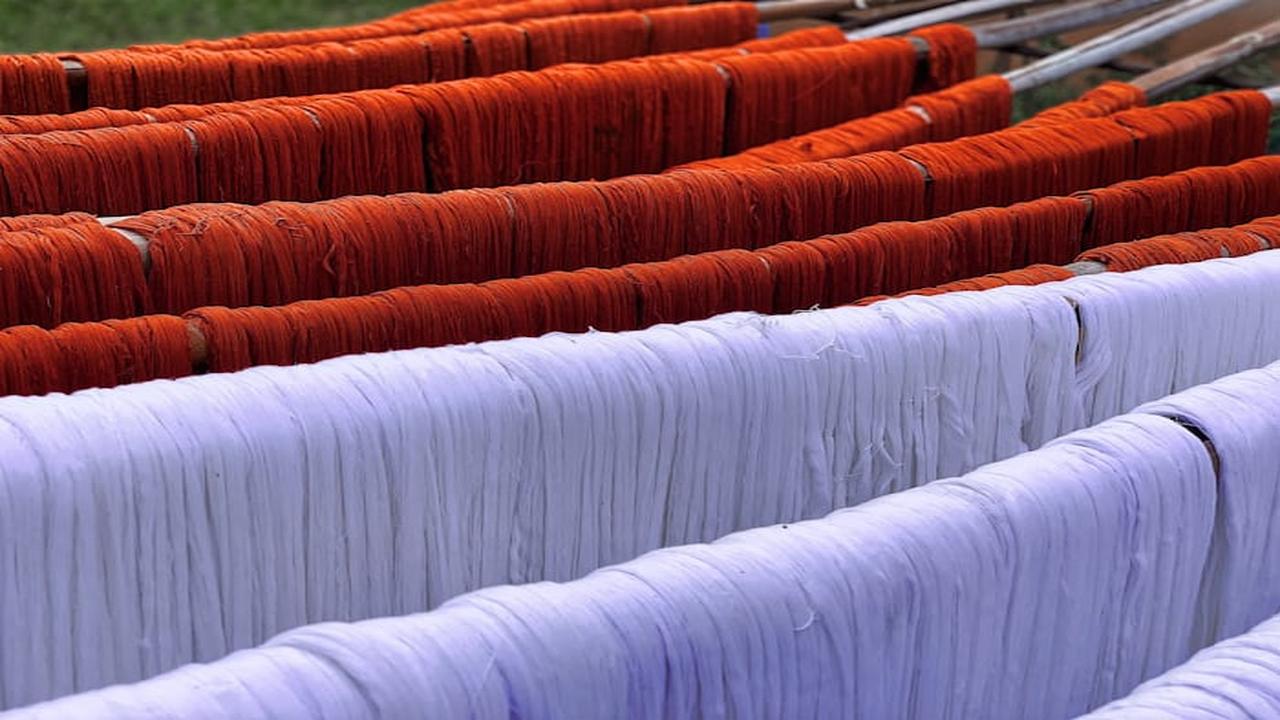
 The textile industry's impact on global industrial water pollution is staggering, accounting for about 20 percent of the total. In a groundbreaking move, H&M Group has partnered with Viridis to pilot a water recycling initiative in Dhaka, Bangladesh, aiming to revolutionize the dyeing process. This innovative approach not only reduces freshwater withdrawal but also tackles discharge pollution at its source, setting a new standard for sustainable fashion practices. Through a combination of cutting-edge technology and strategic collaboration, this initiative showcases the tangible benefits of responsible water stewardship in the industry.
Sustainability in Textile Manufacturing
The partnership between H&M Group and Viridis to pilot a water recycling initiative in Dhaka, Bangladesh represents a significant step towards sustainable practices in the textile industry. By leveraging innovative technology to recycle dyehouse water and reduce discharge pollution, this initiative aligns with the broader sustainability goals of companies operating in the fashion sector. The successful pilot program, which demonstrated substantial reductions in color and organic contamination levels, highlights the potential for integrating eco-friendly practices into traditional manufacturing processes. As the industry grapples with the environmental impact of textile production, initiatives like this not only showcase the feasibility of sustainable solutions but also set a new standard for responsible business operations.
Strategic Partnerships for Impact
The collaboration between H&M Group, Viridis, and textile mill partners underscores the importance of strategic partnerships in driving sustainable change across supply chains. By working together to implement innovative water recycling technologies, these companies are not only reducing their environmental footprint but also setting a precedent for industry-wide collaboration towards sustainability. The involvement of multiple stakeholders in the pilot program signifies a collective commitment to exploring and adopting eco-conscious practices, reflecting a shift towards more responsible and transparent operations in the fashion sector. Such partnerships not only benefit the environment but also contribute to enhancing brand reputation and fostering a culture of sustainability within the industry.
Economic Viability of Sustainable Practices
While the focus on sustainability is paramount, the economic feasibility of implementing eco-friendly initiatives cannot be overlooked. Companies like H&M Group are increasingly recognizing the dual benefits of reducing environmental impact while also improving operational efficiency and cost-effectiveness. The successful pilot program with Viridis not only demonstrates the environmental advantages of water recycling but also hints at the potential for long-term cost savings and resource optimization. By investing in sustainable practices, companies can not only meet consumer demand for ethically sourced products but also create value through enhanced operational resilience and competitiveness in the market.
Innovation Driving Industry Transformation
The adoption of cutting-edge technologies like electrochemical oxidation by Viridis signifies a broader trend towards innovation-driven sustainability in the textile industry. Companies like H&M Group are at the forefront of embracing technological advancements to address environmental challenges and drive positive change within their operations. The pilot program in Dhaka serves as a testament to the transformative power of innovation, showcasing how forward-thinking companies can leverage technology to revolutionize traditional manufacturing processes and pave the way for a more sustainable future. By investing in innovation and embracing sustainable solutions, companies can not only reduce their ecological footprint but also position themselves as leaders in driving industry-wide transformation towards a more sustainable and ethical fashion ecosystem.
Conclusion
The partnership between H&M Group and Viridis in pioneering a water recycling initiative in Dhaka not only signifies a monumental shift towards sustainable practices in the textile industry but also sets a new standard for responsible business operations. By showcasing the tangible benefits of eco-friendly solutions, fostering strategic collaborations, emphasizing economic viability, and driving innovation, this initiative underscores the transformative power of sustainability in revolutionizing global supply chains. As the industry navigates towards a more ethical and transparent future, the success of this pilot program serves as a compelling call to action for businesses worldwide to prioritize environmental stewardship, embrace innovation, and commit to driving positive change for a more sustainable and ethical fashion ecosystem.