
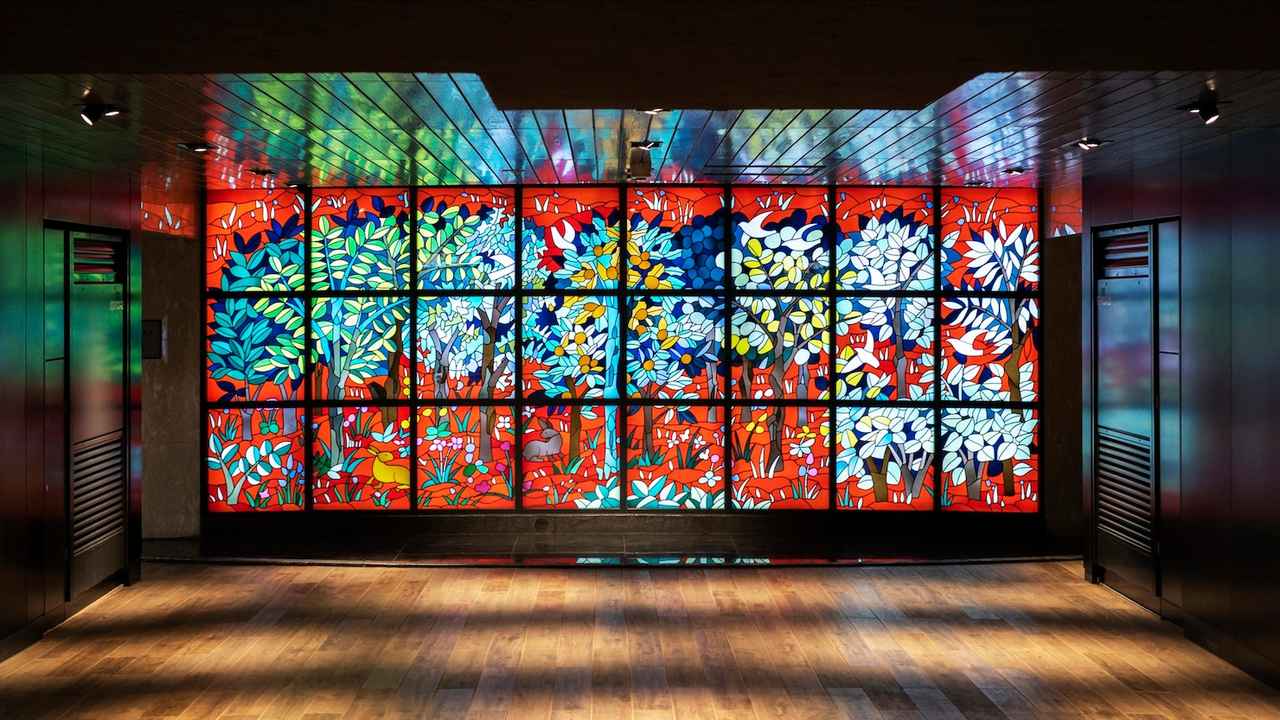
 In a world where infrastructure typically blends into the background, Public Service Enterprise Group (PSEG) is redefining the landscape by infusing art and community spirit into its energy projects. From Newark to Irvington and Orange, PSEG's innovative collaborations are not just about powering homes but also about revitalizing neighborhoods and celebrating local identity. By integrating design elements and engaging with residents, these initiatives showcase the transformative power of partnership in creating infrastructure that truly brightens local communities. Join us as we delve into the inspiring stories behind PSEG's art-inspired projects and how they are shaping a new narrative for energy infrastructure.
The Transformative Power of Art in Infrastructure Projects
Public Service Enterprise Group (PSEG) is setting a new standard in the energy sector by incorporating art and community engagement into its infrastructure projects. By infusing design elements and artistic features into electric substations and other critical energy infrastructure, PSEG is not only meeting the growing energy needs of customers but also revitalizing and enhancing the neighborhoods where these facilities are located. The company's collaboration with local artists, officials, and citizens has resulted in projects like the Fairmount Heights Switching Station in Newark, where a 48,000-square-foot art wall showcases the work of diverse artists, creating a vibrant community space. These initiatives go beyond mere functionality, demonstrating how art can transform energy infrastructure into neighborhood landmarks that foster civic pride and economic opportunities.
In Irvington, PSEG's Legends Way collection, featuring portraits of significant local figures and moments, has not only enhanced the reliability and capacity of the electric substation but has also become a symbol of community identity. The colorful portraits lining the concrete walls serve as a tribute to the township's history and visionaries, sparking community pride and creating a sense of place for residents. Through these art-inspired projects, PSEG is redefining the role of energy infrastructure in shaping local narratives and fostering connections between communities and their past, present, and future.
Fostering Collaborative Partnerships for Sustainable Development
PSEG's approach to community engagement and partnership goes beyond the aesthetic enhancements of infrastructure projects; it is deeply rooted in a commitment to corporate citizenship and sustainable development. By working closely with local officials, residents, and arts groups, PSEG ensures that its projects not only meet technical requirements but also reflect the values and aspirations of the communities they serve. The company's collaboration with the Valley Arts District in Orange, for instance, resulted in a new substation design that resembles a city block, complete with illuminated signage, landscaping, and a striking abstract mural inspired by the electrical grid connections. These public-private collaborations not only improve energy infrastructure but also strengthen neighborhoods, create economic opportunities, and promote a sense of pride and ownership among residents.
Through initiatives like the Orange Heights Switching Station, PSEG demonstrates the power of partnership in driving sustainable development and community resilience. By engaging stakeholders in the planning and design process, the company ensures that its infrastructure projects not only meet technical specifications but also contribute to the social, cultural, and economic well-being of the communities they serve. This collaborative approach not only enhances the functionality and aesthetics of energy infrastructure but also fosters a sense of shared responsibility and stewardship among stakeholders, laying the foundation for long-term sustainable development and inclusive growth.
Empowering Communities Through Inclusive Design and Engagement
At the core of PSEG's art-inspired infrastructure projects is a commitment to empowering communities through inclusive design and engagement. By inviting residents into the planning process, the company ensures that its projects reflect the unique identity and aspirations of each neighborhood. The public workshops co-hosted with township officials and residents in Orange, for example, resulted in a substation design that not only meets technical requirements but also integrates community input, creating a space that resonates with the local culture and history. This inclusive approach not only enhances the functionality and aesthetics of energy infrastructure but also fosters a sense of ownership and pride among residents, strengthening community ties and promoting social cohesion.
Through initiatives like the Irvington Legends Way collection and the Orange Heights Switching Station, PSEG demonstrates how inclusive design and community engagement can transform energy infrastructure into symbols of community pride and resilience. By involving local stakeholders in the planning and design process, the company ensures that its projects not only meet technical specifications but also reflect the values and aspirations of the communities they serve. This collaborative approach not only enhances the functionality and aesthetics of energy infrastructure but also fosters a sense of shared ownership and stewardship, creating spaces that celebrate local identity and heritage.
Conclusion
Public Service Enterprise Group (PSEG) exemplifies a new era of sustainable infrastructure development, where art, community engagement, and sustainability converge to redefine the energy landscape. Through innovative collaborations and inclusive design, PSEG is not just powering homes but also revitalizing neighborhoods, fostering civic pride, and promoting economic opportunities. By showcasing the transformative power of partnership, PSEG sets a powerful precedent for how businesses can contribute to social well-being while meeting technical requirements. As we witness the impact of these art-inspired projects, let us reflect on the potential for businesses to drive positive change through ethical sourcing, transparency, and community-centric initiatives, inspiring a future where infrastructure truly brightens local communities.