
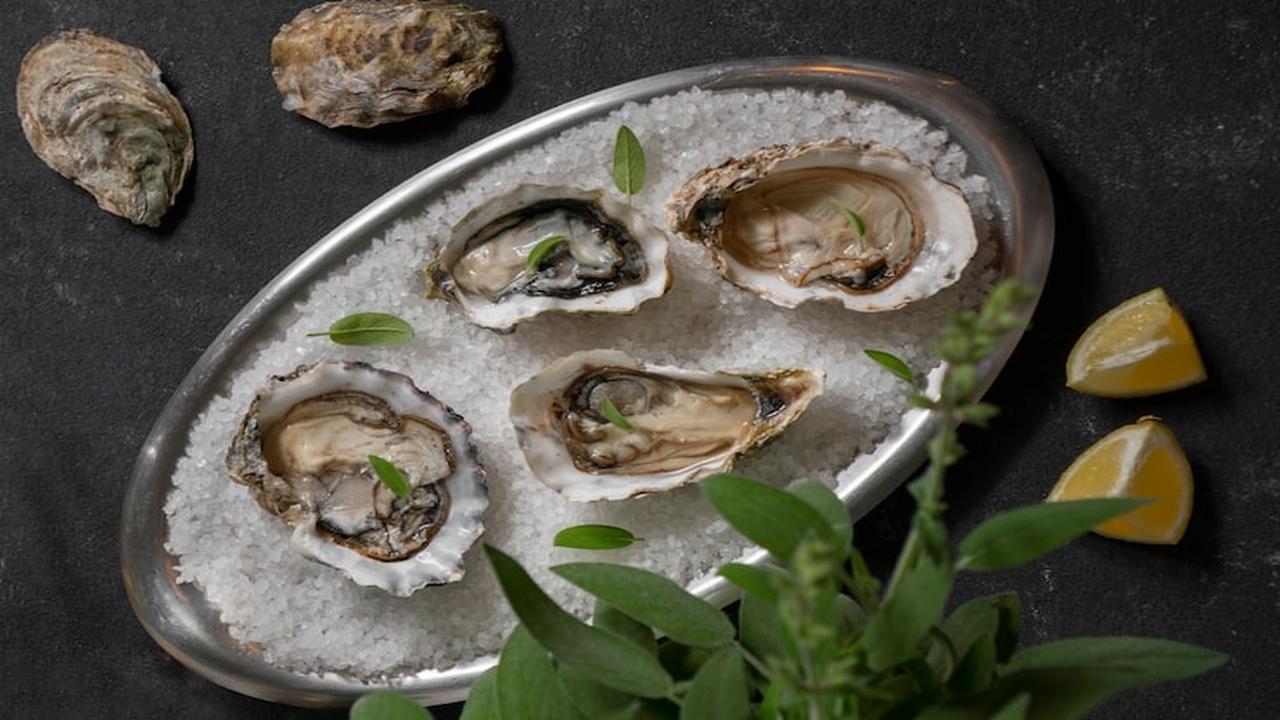
 In the murky depths of the Baltimore Harbor lies a beacon of hope: a mission to grow 5 million oysters by 2030. The Baltimore Oyster Partnership, a collaboration between Waterfront Partnership of Baltimore and Chesapeake Bay Foundation, is spearheading this ambitious project to restore the ecosystem of the Harbor and beyond. Through innovative practices like shell recycling and community engagement, the Partnership is not only reviving oyster populations but also nurturing a thriving marine habitat. Join us as we delve into the transformative journey of "Restoring the Reefs: Growing Oysters in the Baltimore Harbor."
Restoring Ecosystems Through Collaborative Partnerships
The collaboration between the Waterfront Partnership of Baltimore (WFP) and the Chesapeake Bay Foundation (CBF) in the Baltimore Oyster Partnership exemplifies the power of strategic partnerships in driving environmental restoration initiatives. By engaging multiple entities at each step of the "Plate to Reef" process, from oyster shell recycling by participating restaurants to the planting of new larvae by the Oyster Recovery Partnership, the project showcases how collective efforts can lead to significant ecosystem restoration. This collaborative approach not only amplifies the impact of individual contributions but also fosters a sense of shared responsibility and commitment towards a common goal.
The success of the Baltimore Oyster Partnership underscores the strategic importance of community engagement in sustainability projects. Through initiatives like volunteer oyster gardening and educational programs for restaurant guests, the project not only garners support from the local community but also transforms passive observers into active participants in environmental conservation. As Dan Taylor from WFP emphasizes, the project's sustainability hinges on strong community involvement, highlighting the critical role that stakeholders play in driving long-term environmental change. By bridging the gap between environmental initiatives and public engagement, the Partnership sets a precedent for how businesses can leverage community support to achieve sustainability goals.
Leveraging Innovation for Scalable Impact
Innovative practices such as shell recycling and leveraging oysters' natural behavior have been instrumental in scaling up the Baltimore Oyster Partnership's impact. By repurposing oyster shells for larvae growth and utilizing oysters' filtration abilities to restore marine habitats, the project demonstrates how creativity and resourcefulness can drive sustainable solutions. The adoption of such innovative techniques not only accelerates the restoration process but also showcases the potential for scalable impact through strategic utilization of natural resources.
The strategic focus on habitat restoration and ecosystem diversity within the Baltimore Harbor underscores the long-term vision of the Baltimore Oyster Partnership. As highlighted in the Marine Ecology Progress Series (MEPS) Journal, oyster reef sanctuaries harbor greater marine life diversity, creating a ripple effect that benefits the entire ecosystem. By prioritizing the restoration of keystone species like oysters and recognizing their pivotal role in habitat restoration, the Partnership lays the foundation for a more resilient and thriving marine environment. This strategic emphasis on ecosystem health not only aligns with environmental sustainability goals but also underscores the interconnectedness of diverse species within an ecosystem.
Driving Sustainable Business Practices Through Environmental Stewardship
The Baltimore Oyster Partnership serves as a compelling example of how businesses can integrate environmental stewardship into their operations while fostering a sense of corporate social responsibility. By engaging restaurants in oyster shell recycling and educating diners on the importance of conservation, the project bridges the gap between sustainable practices and consumer awareness. This strategic alignment of business operations with environmental goals not only enhances brand reputation but also cultivates a culture of sustainability that extends beyond the project's scope. As highlighted by Samantha Hofherr from Kooper's Tavern, the integration of shell recycling into normal kitchen operations underscores the feasibility and impact of sustainable practices within the hospitality industry.
The strategic collaboration with the Baltimore Ravens to support oyster planting initiatives showcases the potential for cross-sector partnerships in driving environmental sustainability. By leveraging the influence and resources of a prominent sports franchise, the Baltimore Oyster Partnership not only expands its reach but also underscores the role of corporate entities in supporting community-driven environmental initiatives. This strategic alignment of business interests with environmental conservation not only amplifies the project's impact but also sets a precedent for how businesses can contribute to ecosystem restoration efforts in meaningful ways.
Conclusion
The journey of "Restoring the Reefs: Growing Oysters in the Baltimore Harbor" exemplifies the transformative power of collaborative partnerships, innovative practices, and sustainable business strategies. The Baltimore Oyster Partnership, a beacon of hope in environmental restoration, showcases how collective efforts can drive significant ecosystem rejuvenation while engaging communities and businesses in a shared vision of sustainability. By leveraging strategic alliances, fostering community involvement, and embracing creative solutions, this project not only restores marine habitats but also sets a precedent for businesses worldwide to integrate environmental stewardship into their operations. As we navigate the complexities of modern-day challenges, let the Baltimore Oyster Partnership inspire us to forge partnerships, embrace innovation, and champion sustainability as the cornerstone of our collective future.