

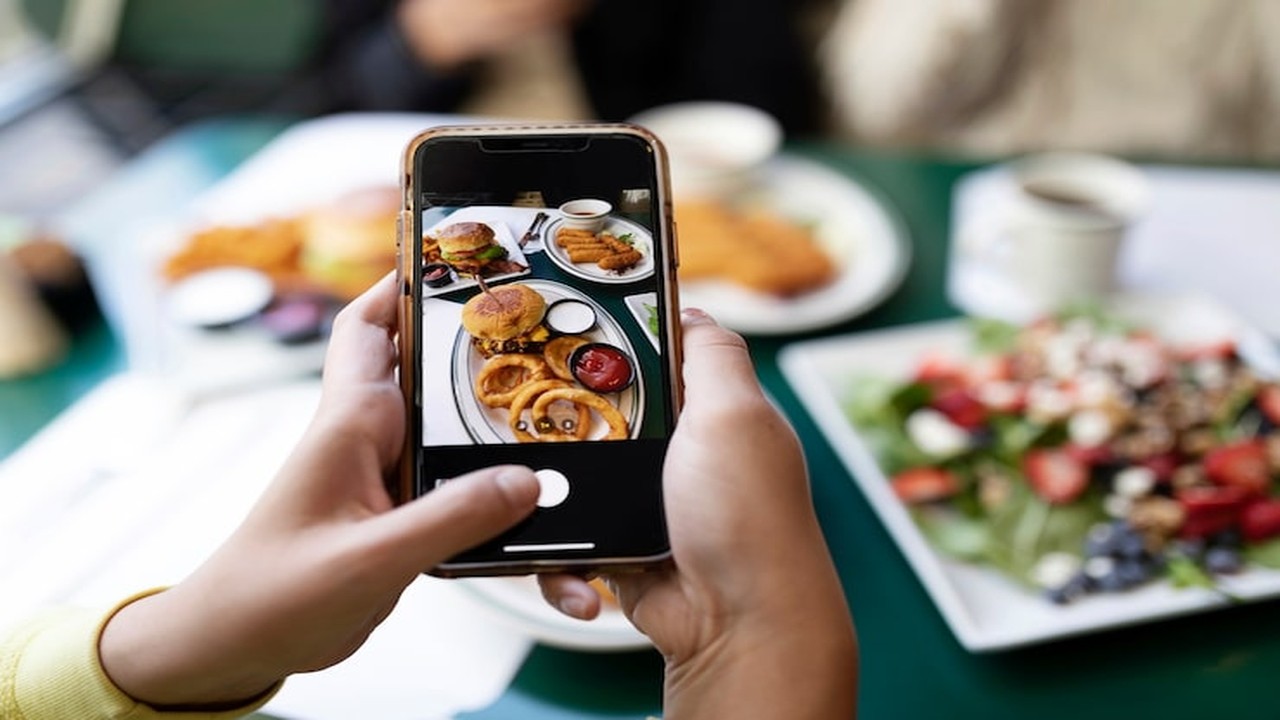
 In a world where the food industry is rapidly evolving, Time's '10 Most Influential Food Companies' list may not capture the full scope of disruptors reshaping the sector. While the list highlights companies making visible moves, it overlooks those driving fundamental change behind the scenes. From Novo Nordisk's impact on snacking habits to TikTok's influence on food trends, a deeper dive reveals a dynamic landscape where innovation, sustainability, and consumer behavior intersect. Join us as we uncover the real game-changers challenging the status quo and shaping the future of food.
Shifting Consumer Preferences Towards Health and Wellness
Consumer preferences in the food industry are undergoing a significant transformation, with a clear shift towards health and wellness. Companies like Ferrero and Mars are adapting to this trend by repositioning their products to meet the growing demand for healthier options. For instance, Ferrero's focus on expanding into breakfast cereals reflects a strategic move towards capturing a share of the health-conscious market. Similarly, Mars has been innovating its product offerings to align with consumer preferences for sustainable and nutritious choices.
The rise of companies like Celsius Holdings, with its emphasis on functional energy beverages, exemplifies the changing landscape where consumers are seeking products that offer both health benefits and convenience. This shift is not only influencing individual purchasing decisions but also shaping the overall market dynamics, pushing companies to reevaluate their product portfolios and marketing strategies to stay relevant in an increasingly health-conscious environment.
Embracing Sustainable Practices Across the Supply Chain
Sustainability has become a core focus for many companies in the food industry, driven by increasing consumer awareness and regulatory pressures. Ferrero and Mars have been actively engaging in sustainable practices, with Mars partnering with companies like Pairwise to promote agricultural innovation through gene-editing technologies. By investing in sustainable sourcing and production methods, these companies are not only meeting consumer expectations but also future-proofing their businesses against evolving regulatory requirements and market demands.
Moreover, the inclusion of companies like Too Good To Go, which focuses on reducing food waste, highlights the growing importance of sustainability throughout the supply chain. As consumers become more environmentally conscious, companies that prioritize sustainability are likely to gain a competitive edge, attracting a loyal customer base that values ethical sourcing and transparent practices.
Digital Transformation and Innovation in Food Services
The digital revolution is reshaping the food industry, driving innovation in food services and transforming consumer experiences. Companies like OpenTable and Wonder are at the forefront of this transformation, leveraging technology to enhance customer engagement and streamline operations. Mars' collaboration with companies like Pairwise underscores the importance of digital platforms in driving efficiency and innovation across the supply chain, from production to delivery.
The emergence of platforms like Wonder, which aim to revolutionize the food delivery ecosystem, signals a fundamental shift in how food is prepared, distributed, and consumed. By harnessing data analytics and centralized kitchens, companies are not only improving operational efficiency but also redefining the traditional boundaries between restaurants, kitchens, and delivery services, creating new opportunities for growth and differentiation in a competitive market landscape.
Disruption Through Alternative Protein Sources
The growing demand for alternative protein sources is disrupting the traditional food industry, challenging companies to innovate and diversify their product offerings. Ferrero's expansion into new categories and Mars' collaboration with Perfect Day highlight the industry's focus on developing sustainable and plant-based alternatives to meet evolving consumer preferences. By investing in research and development of alternative protein sources, companies are positioning themselves to capitalize on the rising trend towards plant-based diets and sustainable food production.
Companies like Perfect Day, with its advancements in alternative protein production, are paving the way for a more sustainable and environmentally friendly food industry. As consumers increasingly seek plant-based options for health and ethical reasons, companies that embrace alternative protein sources are likely to gain a competitive advantage and drive innovation in the sector, setting new standards for sustainability and product diversity.
Conclusion
As the global food industry undergoes a seismic shift towards health, sustainability, and innovation, Ferrero and Mars stand out as pioneers embracing these transformative trends. From prioritizing health-conscious products to championing sustainable practices and venturing into alternative protein sources, these companies exemplify the future-forward mindset needed to thrive in an ever-evolving market. The convergence of consumer demand for wellness and ethical sourcing with digital advancements underscores the imperative for businesses to adapt, innovate, and lead the charge towards a more sustainable and transparent food ecosystem. In this dynamic landscape, the real game-changers are those who not only disrupt the status quo but also set new standards for ethical sourcing, transparency, and consumer-centric innovation. The future of food lies in the hands of those who dare to challenge conventions and pave the way for a more sustainable and conscientious industry.