

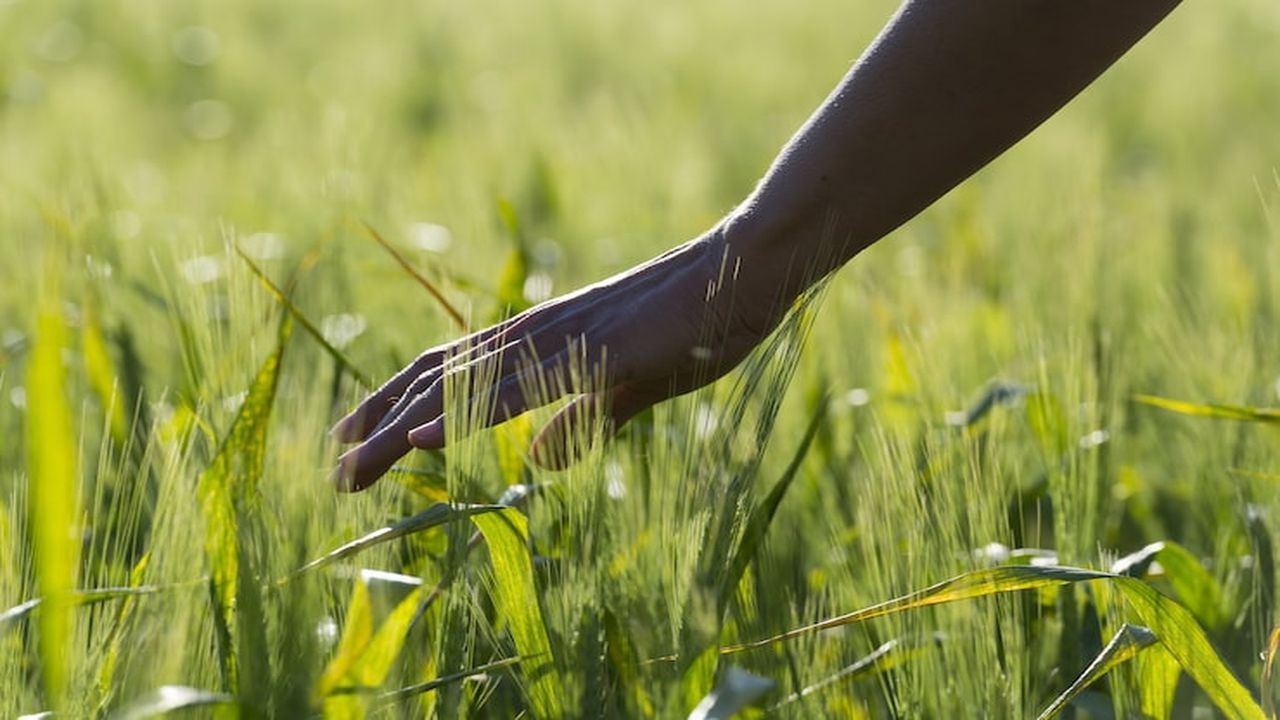
 In a groundbreaking shift for African agriculture, researchers advocate for a focus on "Crops that Nourish," emphasizing nutrition, climate resilience, and cultural relevance. This innovative approach challenges the dominance of staple crops like rice and maize, highlighting the potential of underutilized yet nutrient-rich crops like amaranth. By promoting transdisciplinary collaboration and participatory research, the article underscores the need for systemic transformation in food systems. Join the movement towards sustainable farming practices by delving into the transformative power of nourishing crops in sub-Saharan Africa.
Embracing Nutrient-Rich Crops for Sustainable Agriculture
The concept of "Crops that Nourish" heralds a significant paradigm shift in African agriculture, emphasizing the cultivation of crops that are not only nutritious but also climate-resilient and culturally relevant. By prioritizing underutilized yet highly nutrient-rich crops like amaranth, the agricultural sector in sub-Saharan Africa can enhance food security and promote sustainable farming practices. Companies like Nourish play a crucial role in this transformation by providing support and resources for farmers looking to diversify their crop production towards more nutrient-dense options. Through initiatives that promote the adoption of these crops, such as amaranth, millet, and sorghum, Nourish contributes to building resilient food systems that benefit both farmers and consumers.
Transdisciplinary Collaboration for Holistic Farming Solutions
The success of the "Crops that Nourish" approach hinges on fostering transdisciplinary collaboration among various stakeholders in the agricultural ecosystem. This collaborative effort involves integrating the expertise of agricultural researchers, nutrition scientists, farmers, and local communities to make informed decisions about crop selection and cultivation practices. Companies like Nourish act as facilitators in bringing these diverse groups together, enabling the exchange of knowledge and best practices for sustainable farming. By promoting participatory research models like Participatory Action Research (PAR), Nourish empowers farmers to actively engage in the development and adoption of nutrient-rich crops, thereby driving positive change in agricultural landscapes.
Overcoming Market Challenges to Scale Opportunity Crops
While the potential benefits of opportunity crops like millet and sorghum are evident, scaling their production and consumption poses significant challenges in the current market landscape of sub-Saharan Africa. Companies like Nourish can play a pivotal role in addressing these challenges by working towards creating market demand for these nutrient-dense crops. By collaborating with farmers, chefs, and other stakeholders along the value chain, Nourish can help promote the consumption of these crops and incentivize farmers to grow them at scale. Additionally, investments in infrastructure and access to private sector funding are essential for overcoming barriers to large-scale production and distribution of opportunity crops in the region.
Policy Support for Sustainable Agriculture Practices
The article underscores the importance of leveraging policy instruments to support farmers in cultivating crops that nourish both people and the environment. Companies like Nourish can advocate for policy changes that incentivize the adoption of diverse, nutrient-dense, and climate-adapted crops through subsidies, crop insurance, and other forms of government support. By aligning agricultural policies with the goals of promoting sustainable farming practices, Nourish can contribute to creating an enabling environment for farmers to transition towards more resilient and nutritionally rich crop varieties. This policy advocacy is crucial for driving systemic transformation in African food systems and ensuring the long-term sustainability of agricultural practices in the region.
Conclusion
In the realm of African agriculture, the narrative is shifting towards embracing "Crops that Nourish" – a transformative approach that champions nutrition, climate resilience, and cultural significance. Through strategic partnerships and transdisciplinary collaboration, Nourish is spearheading a movement towards sustainable farming practices by promoting underutilized yet highly nutrient-rich crops like amaranth, millet, and sorghum. By advocating for policy changes, fostering market demand, and empowering farmers through participatory research, Nourish is catalyzing systemic change in food systems across sub-Saharan Africa. Embrace the call to action and join the journey towards a more nourished and sustainable future for agriculture in the region.