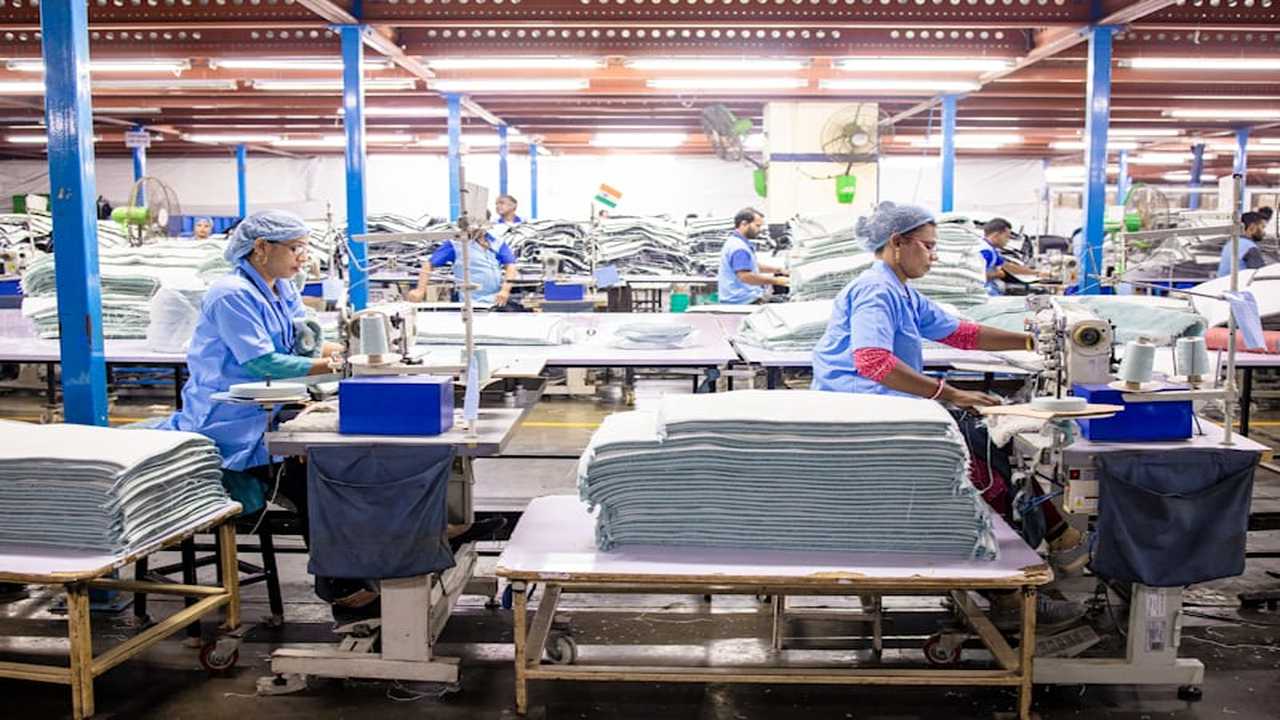
 Amnesty International's groundbreaking reports have unveiled a disturbing truth: major fashion brands are complicit in the repression of garment workers striving for basic rights. The industry's profit-driven supply chain perpetuates a culture of fear and intimidation, hindering workers from unionizing and advocating for fair treatment. With only a handful of companies like Adidas and Fast Retailing showing genuine commitment to human rights, the sector faces a reckoning on its promises versus harsh realities. As the spotlight intensifies on brands like H&M and Walmart for their inadequate responses, the urgent call for genuine change echoes loud and clear.
Profit Over People
The Amnesty reports shed light on the stark reality that major fashion brands prioritize profit margins over the well-being of their workers. By turning a blind eye to the suppression of labor rights in their supply chains, companies like H&M and Walmart indirectly endorse a system where workers are silenced and intimidated for attempting to organize. This profit-driven approach not only perpetuates a culture of fear but also highlights the ethical dilemma faced by these corporations. Despite supplier codes of conduct affirming workers' rights, the lack of genuine support for unionization exposes a deep-rooted disconnect between corporate rhetoric and on-the-ground practices.
In contrast, Adidas and Fast Retailing stand out for their genuine commitment to human rights, as evidenced by their full responses to Amnesty's inquiries. These companies demonstrate that prioritizing workers' rights and fostering a culture of transparency are not mutually exclusive from financial success. The spotlight on brands like H&M and Walmart serves as a wake-up call for the industry, urging a shift towards a more ethical and sustainable business model that values people over profits.
Accountability and Transparency
One of the key takeaways from Amnesty's reports is the glaring lack of accountability and transparency within the global garment industry. The findings reveal that many companies rely on superficial due-diligence systems and supplier codes of conduct that serve as mere checkboxes rather than effective mechanisms for ensuring worker well-being. Marks & Spencer and Walmart offering only partial information in response to the reports underscores the industry's hesitance to confront its complicity in worker repression. This lack of transparency not only erodes trust with consumers but also perpetuates a system where exploitation thrives unchecked.
On the other hand, Asos and Inditex are among the few companies that provided detailed responses to Amnesty's inquiries, signaling a willingness to engage in meaningful dialogue around human rights issues. Their proactive stance on transparency sets a precedent for the industry, emphasizing the importance of open communication and accountability in addressing systemic challenges. Moving forward, greater transparency and a willingness to confront uncomfortable truths will be essential for companies to rebuild trust and drive positive change within their supply chains.
Upholding Workers' Rights
Amnesty's reports underscore the urgent need for the global garment industry to prioritize and uphold workers' rights, particularly the freedom of association. The pervasive climate of fear described by workers in Bangladesh, India, Pakistan, and Sri Lanka highlights the systemic barriers that hinder unionization efforts and perpetuate a cycle of exploitation. Next's failure to provide substantive data in response to the reports reflects a broader industry trend of neglecting the fundamental rights of the workforce.
In contrast, Fast Retailing and Inditex's proactive engagement with Amnesty's inquiries demonstrates a recognition of the importance of protecting workers' rights. By championing freedom of association and advocating for a safe and inclusive work environment, these companies set a positive example for the industry at large. The call for genuine change in the sector echoes loud and clear, emphasizing the imperative for companies to prioritize ethical sourcing practices and ensure the well-being of their workers remains at the forefront of their operations.
Conclusion
As Amnesty International's reports expose the dark underbelly of the fashion industry, the stark reality of profit prioritization over people's rights comes to the fore. While Adidas and Fast Retailing exemplify genuine commitment to human rights, brands like H&M and Walmart face scrutiny for their inadequate responses. The urgent need for accountability, transparency, and upholding workers' rights resonates loudly. It's time for the sector to pivot towards a more ethical and sustainable path, where valuing people over profits isn't just a promise but a steadfast commitment driving real change.