

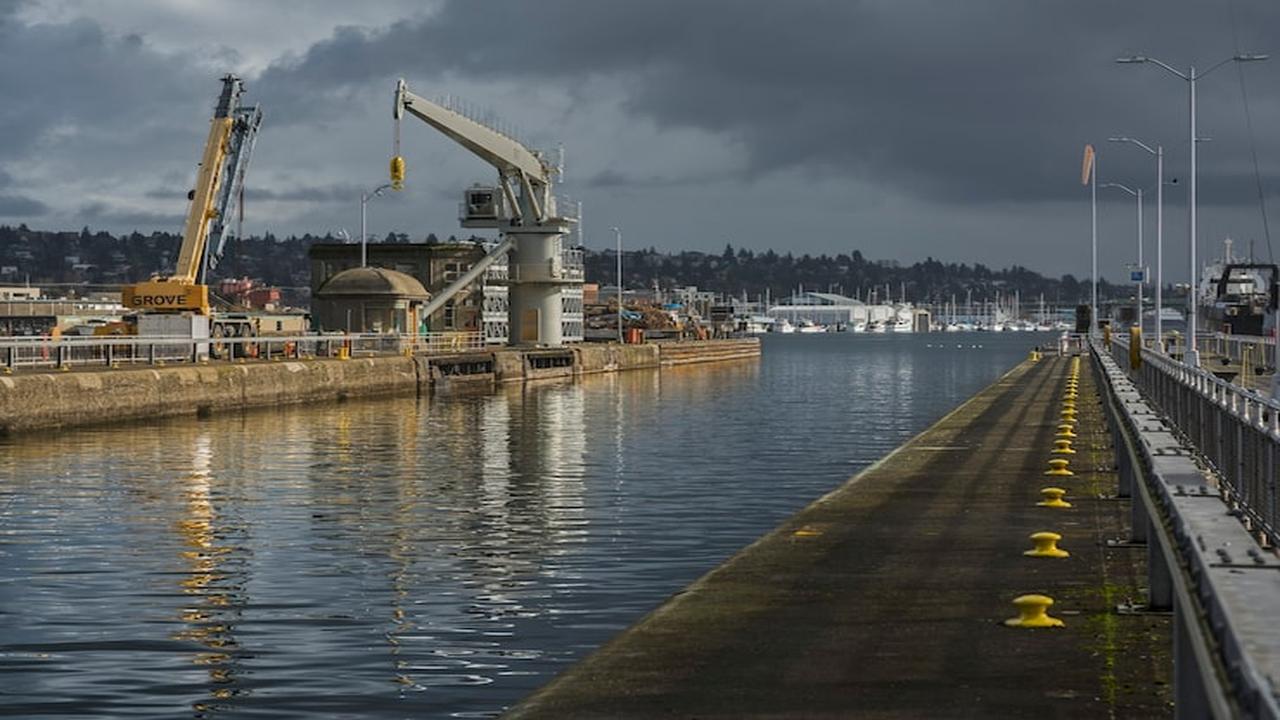
 As climate risks escalate worldwide, a new report from DP World sheds light on the urgent need for port operators to climate-proof infrastructure and trade flows. With nearly 90% of major ports at risk, the article underscores the economic imperative for resilience and decarbonization. Particularly in the Americas, where hurricanes and rising sea levels pose significant threats, DP World's investments in climate protection are setting a crucial example for the industry. With global trade set to double by 2050, the time to prioritize port resilience is now.
Climate Risks and Economic Imperatives
The escalating climate risks worldwide are presenting a pressing need for port operators to prioritize climate-proofing their infrastructure and operations. With nearly 90% of major ports globally facing exposure to damaging climate risks such as storm surges, flooding, and extreme heat, the economic imperative for resilience and decarbonization in the maritime industry has never been clearer. DP World, a leading port operator with a significant global footprint, has been at the forefront of this shift towards climate protection. By investing in climate resilience strategies, including detailed climate modeling, electrification, renewable energy deployment, and decarbonization initiatives, DP World is setting a crucial example for the industry. The company's proactive approach aligns with the industrywide trend towards safeguarding infrastructure, trade flows, and coastal communities against the impacts of climate change.
Regional Implications for the Americas
The Americas, with their hurricane-exposed coastlines, rising sea levels, and densely interconnected trade routes, face unique and profound challenges when it comes to climate resilience for ports. DP World's regional investments in the Americas directly address these escalating risks, reflecting the company's commitment to adapting to the specific climate-driven disruptions in the region. As climate volatility becomes a structural operating condition in the Americas, the need for proactive adaptation measures, such as strengthening infrastructure, electrifying equipment, and embracing renewable energy sources, becomes increasingly evident. DP World's Resilience Strategy, tailored to address the specific challenges faced by the Americas, highlights the company's strategic foresight in navigating the complex interplay between climate risks and port operations in the region.
Decarbonization as a Resilience Strategy
Decarbonization is emerging as a key pillar of DP World's resilience strategy, with the company allocating significant resources towards reducing its carbon footprint and enhancing sustainability across its global operations. By investing US$500 million over five years in decarbonization initiatives, including electrification, renewable energy adoption, low-carbon fuels utilization, process modernization, and digitalization, DP World is actively working towards a more sustainable and environmentally friendly future for the maritime industry. The company's progress in decarbonization, with 59% of electricity across its terminals already sourced from renewable sources and 28 terminals operating on 100% renewable power, underscores its commitment to driving positive environmental change while ensuring the long-term operability and competitiveness of its ports.
Future Outlook and Industry Resilience
As global trade continues to expand, with projections indicating a doubling by 2050, the resilience of ports and terminals is becoming increasingly critical for ensuring the smooth flow of goods and maintaining economic stability. DP World's strategic focus on port resilience not only aligns with the immediate need to address climate risks but also positions the company as a forward-thinking industry leader capable of navigating the evolving landscape of global trade. By emphasizing the economic importance of port resilience and sustainability as top priorities rather than distant aspirations, DP World's approach underscores the fundamental role that climate protection plays in shaping the future of competitive and reliable trade worldwide.
Conclusion
In a world where climate risks loom large over global trade, DP World's proactive investments in climate protection and decarbonization initiatives stand as a beacon of resilience and sustainability for the maritime industry. As ports face escalating challenges, DP World's strategic focus on climate-proofing infrastructure, particularly in the vulnerable Americas region, demonstrates a forward-thinking approach that not only mitigates risks but also drives long-term competitiveness. By prioritizing decarbonization and embracing renewable energy sources, DP World sets a compelling example for industry peers, highlighting the imperative for immediate action to secure the future of trade in a rapidly changing climate landscape.