

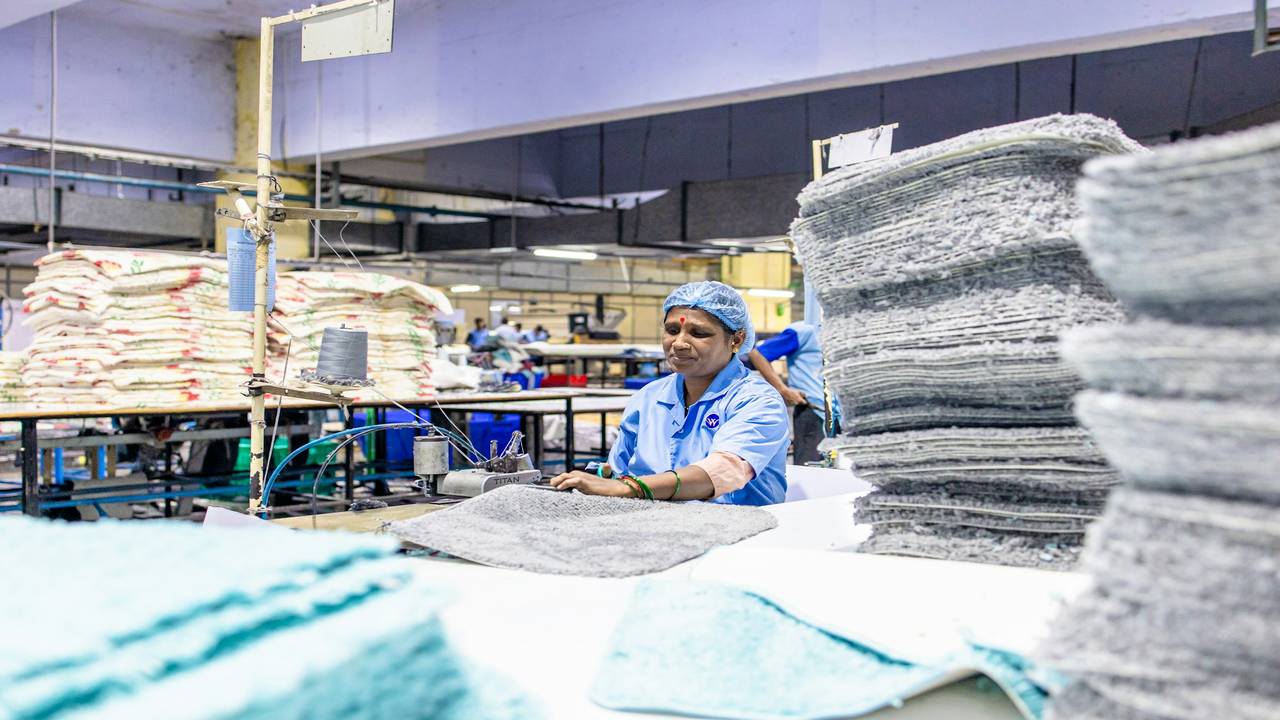
 Extreme heat is silently endangering garment workers in Bangladesh and Pakistan, with reports revealing alarming health impacts like dizziness, fainting spells, and chronic dehydration. Major fashion brands like H&M and Gap are under scrutiny for failing to protect workers from rising temperatures, prompting a groundbreaking shift in the Accord to address heat stress as a workplace safety risk. As the industry grapples with climate commitments, the spotlight now shines on the urgent need for tangible actions to safeguard workers from the heat-related challenges they face daily.
Addressing Worker Safety Amid Rising Temperatures
The recent reports by Climate Rights International have shed light on the dire health impacts faced by garment workers in Bangladesh and Pakistan due to extreme heat. Workers, like Muhammad Hunain from Karachi, have described experiencing symptoms such as dizziness, nausea, and chronic dehydration while toiling in factories supplying major international brands like H&M, Gap, and Inditex. The investigations have uncovered that poor working conditions exacerbate the effects of rising temperatures, putting worker health at risk. The move by the International Accord to include heat stress as a workplace safety risk marks a significant step towards ensuring the well-being of these workers. By acknowledging the impact of extreme heat on laborers, brands are compelled to reevaluate their operational practices and prioritize worker safety in the face of climate-related challenges.
Brands' Response and Accountability
While the Accord's decision to address heat stress is a positive development, the responses from various brands have been mixed. H&M has acknowledged heat as a risk and committed to implementing protections in its Bangladesh facilities, demonstrating a proactive stance towards safeguarding worker welfare. On the other hand, Mango has agreed to support the inclusion of heat as a defined risk in its safety program in Pakistan. However, brands like ASOS and Gap Inc. have been less forthcoming in providing detailed heat-protection plans, raising concerns about the consistency of safety measures across the industry. The lack of concrete actions from some brands highlights the need for greater accountability and transparency in ensuring the well-being of garment workers facing extreme heat conditions.
The Business Case for Addressing Heat Stress
Cara Schulte, the lead researcher at Climate Rights International, emphasizes the business case for investing in measures to mitigate heat stress among workers. By enabling workers to stay hydrated, take breaks, and adapt their working hours to extreme heat, brands can not only improve worker well-being but also enhance productivity and operational efficiency. The reports underscore the crucial role that brands play in creating safe and healthy working environments for their supply chain workers. As the industry grapples with the implications of climate change on labor conditions, prioritizing heat mitigation strategies can lead to a more sustainable and ethical approach to garment production. Companies that proactively address heat stress not only fulfill their social responsibility but also gain a competitive edge by fostering a safer and more resilient workforce.
Ensuring Effective Implementation of Heat Protection Measures
As the Accord integrates heat assessments into its inspections and collaborates with stakeholders to develop engineering solutions, the focus shifts towards ensuring the effective implementation of heat protection measures across supply chains. Brands need to go beyond rhetoric and prioritize the enforcement of tangible heat-mitigation standards to safeguard workers from extreme heat conditions. The alignment of climate adaptation with supply chain safety governance signifies a paradigm shift in the industry's approach towards addressing environmental and social risks. By actively engaging with unions, technical experts, and brands, the Accord aims to establish best practices that not only protect workers from heat stress but also promote a culture of transparency and accountability within the fashion supply chain ecosystem.
Conclusion
The spotlight on addressing heat stress in garment factories marks a pivotal moment for the fashion industry, with the inclusion of heat as a workplace safety risk by the International Accord setting a new standard for worker protection. While brands like H&M and Mango show proactive commitment, the industry faces a crucial juncture in ensuring consistent accountability and tangible actions to safeguard workers. The business imperative to mitigate heat stress not only enhances worker well-being and productivity but also underscores the transformative power of sustainable and ethical practices in shaping a safer and more resilient supply chain ecosystem. As the sector navigates the challenges of climate change, prioritizing heat protection measures becomes not just a moral duty but a strategic advantage in fostering a culture of transparency and resilience across the global fashion landscape.