

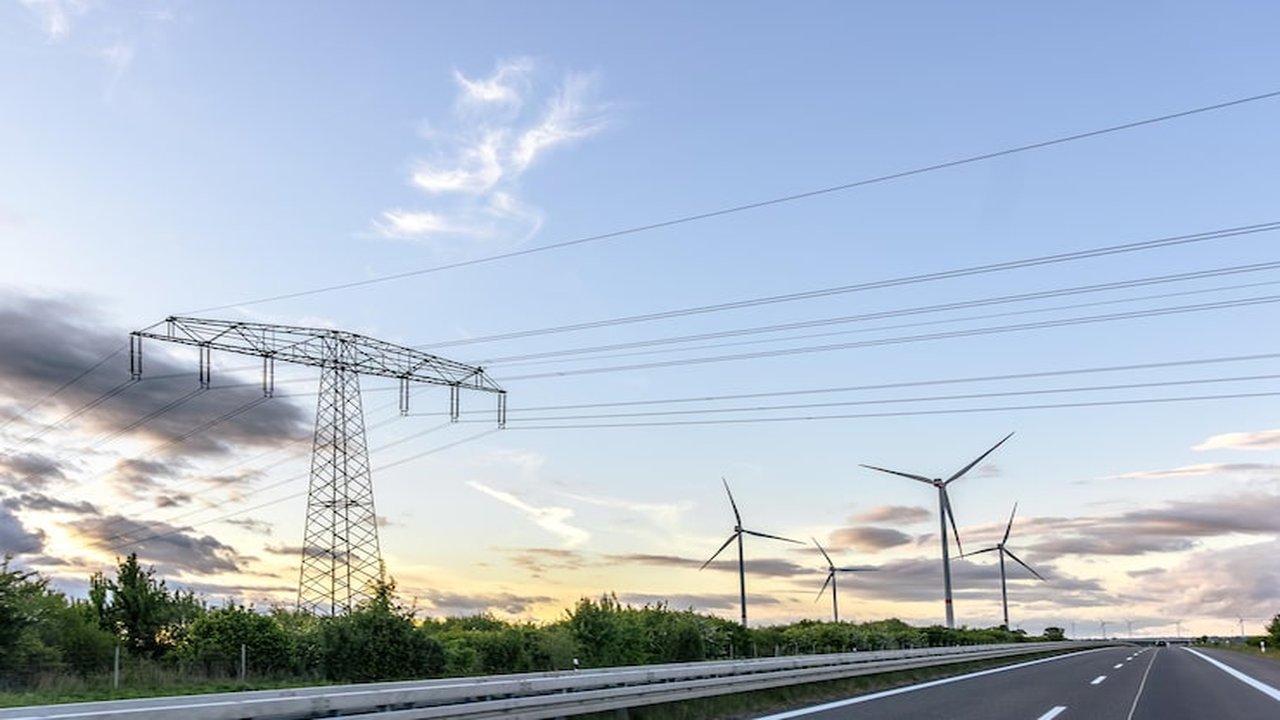
 The global energy transition is not lacking in ambition, but rather hindered by pervasive bottlenecks impeding progress. In a groundbreaking discussion led by Inogen Alliance President Angie Dickson, industry experts delve into the core obstacles obstructing the path to a sustainable energy future. From financing challenges in India to the imperative of maintaining a green energy mix in New Zealand, this dialogue uncovers the critical issues constraining energy transition initiatives worldwide. Join Emmanuel De Nanteuil, Sasikumar, and Scott Thomas as they dissect the key tactics and strategies essential for surmounting these barriers and propelling energy transition projects forward.
Energy Transition Challenges in Europe
Europe, a frontrunner in the global energy transition, faces significant bottlenecks that hinder progress towards sustainability. Despite ambitious targets set by the EU, challenges such as grid limitations, regulatory complexities, and varying national priorities impede the seamless integration of renewable energy sources. The need for harmonized policies and cross-border cooperation is evident to overcome these obstacles and ensure a smooth transition to a low-carbon future. Companies like Inogen Alliance play a crucial role in facilitating knowledge exchange and best practices among industry players to address these challenges collectively.
Financing Hurdles in India
In India, a key player in the energy transition landscape, financing emerges as a critical bottleneck impeding the scaling of renewable energy projects. While Chief Marketing Officer Sasikumar highlights that finance is not a major issue, land acquisition and transmission challenges pose significant barriers. The need for innovative financing mechanisms, streamlined approval processes, and risk mitigation strategies is paramount to attract investments and drive sustainable energy initiatives in the country. Collaborative efforts between government entities, financial institutions, and industry experts, as advocated by Inogen Alliance, are essential to navigate these financing hurdles effectively.
Sustainable Energy Transition in New Zealand
New Zealand's commendable progress towards a green energy mix, with a substantial base load coming from renewables, underscores the importance of maintaining sustainability while transitioning further. As Sector Lead for Solar Scott Thomas emphasizes, ensuring the continued integration of green energy sources is crucial to preserving the country's environmental commitments. Balancing energy security, affordability, and environmental sustainability remains a key challenge that requires strategic planning and innovative solutions. Companies like Inogen Alliance can provide valuable insights and expertise to support New Zealand's ongoing efforts in achieving a sustainable energy transition.
Conclusion
In a world striving for sustainable energy transitions, the dialogue led by Inogen Alliance sheds light on the pressing challenges hindering progress globally. From Europe's regulatory complexities to India's financing hurdles and New Zealand's sustainability balancing act, the path forward requires collaborative efforts, innovative financing mechanisms, and a steadfast commitment to green energy integration. As we navigate these obstacles, the imperative of harmonized policies, cross-border cooperation, and industry knowledge exchange emerges as the linchpin for propelling energy transition initiatives towards a low-carbon future. Let this discussion serve as a call to action for industry players worldwide to unite, innovate, and drive impactful change in the pursuit of a more sustainable energy landscape.