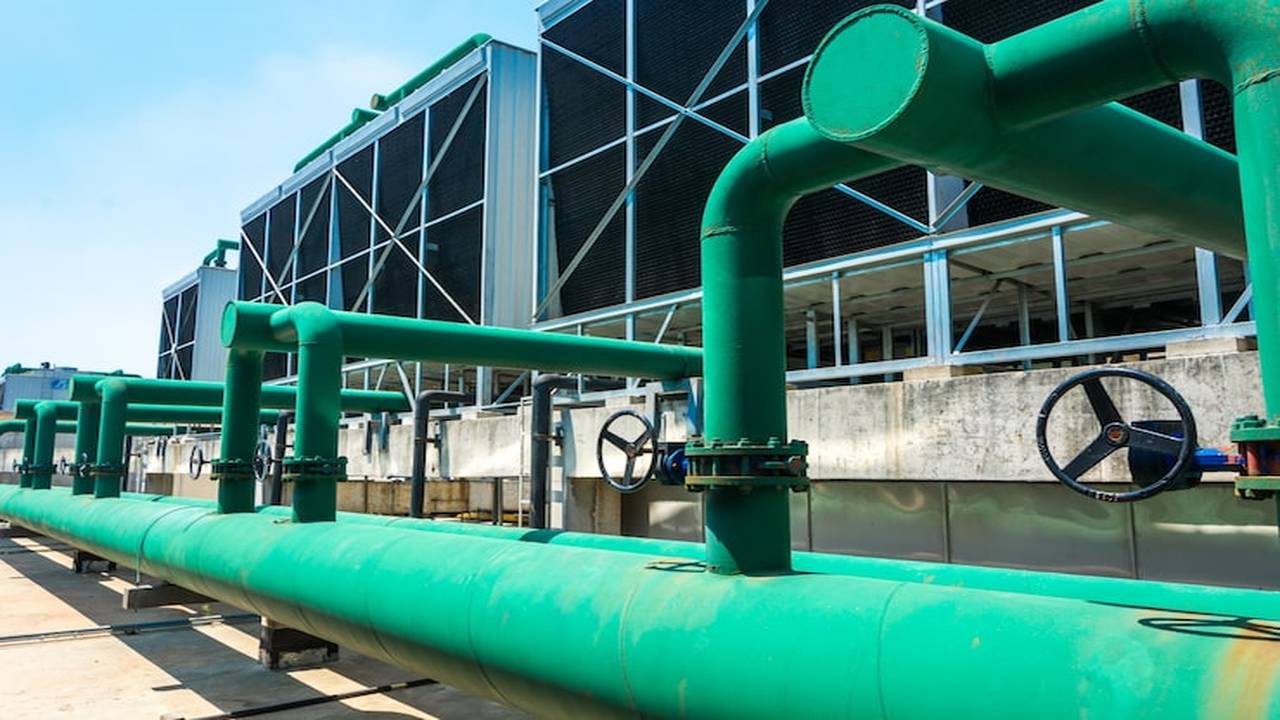
 Water management in manufacturing is more than just a necessity—it's a strategic imperative that can make or break your business. Did you know that inadequate planning and strategy could lead to costly compliance issues and operational disruptions? As aging infrastructure and workforce transitions loom, the need for smarter water management strategies has never been more critical. In this article, we delve into the far-reaching consequences of neglecting water sustainability and offer key insights on how proactive water management can drive efficiency, compliance, and profitability for consumer and industrial goods manufacturers. Stay tuned to discover the five essential elements of a comprehensive water management plan and actionable tactics to enhance your facility's resilience.
Importance of Strategic Water Management in Manufacturing
Water management in manufacturing is a critical aspect that significantly impacts a company's operations, compliance, and bottom line. As highlighted in the original article, neglecting water sustainability can lead to costly compliance issues and operational disruptions. Antea Group, a prominent player in the water management sector, emphasizes the strategic imperative of proactive water management for consumer and industrial goods manufacturers. Companies need to recognize that water is not just a resource but a key driver of operational efficiency and long-term sustainability. By understanding where and how water is used within their facilities, conducting thorough assessments, and implementing data-driven strategies, businesses can unlock cost savings, strengthen compliance, and pave the way for smarter, more sustainable water use.
Effective water management strategies go beyond mere compliance requirements to create tangible business value. For instance, a facility that invested $3 million in a new wastewater treatment facility only to face non-compliance issues due to inadequate pollutant removal underscores the financial risks of overlooking strategic water management. By integrating elements like wastewater treatment systems that enhance efficiency and reduce operational costs, companies can not only meet regulatory standards but also drive long-term resilience and environmental stewardship. Antea Group's expertise in navigating such challenges positions them as a valuable partner for businesses seeking to optimize their water management practices and mitigate risks associated with non-compliance and inefficiency.
Risks and Opportunities in Water Management
The evolving landscape of water management presents both risks and opportunities for manufacturers. Factors such as increasing water scarcity, stricter discharge limits, and changing regulatory frameworks necessitate a proactive approach to identifying and mitigating risks across the value chain. Conducting comprehensive water risk assessments can help companies anticipate potential challenges like droughts, floods, or regulatory changes that may impact their water use and supply. By understanding these risks and integrating them into their strategic planning, businesses can enhance their resilience, ensure compliance, and safeguard their operations against disruptions. Collaborating with specialized firms like Antea Group can provide companies with the expertise and support needed to navigate complex water risk scenarios and develop robust mitigation strategies tailored to their specific operational needs.
While risks are inherent in water management, so too are opportunities for innovation and cost savings. By embracing initiatives like industrial stormwater management to prevent runoff contamination and implementing efficient wastewater treatment systems, companies can not only protect the environment but also reduce operational costs and enhance their reputation. The example of a facility switching to its private well water for wastewater disinfection, thereby avoiding significant costs associated with purchasing municipal water, illustrates the potential for simple yet impactful changes in water management practices. Antea Group's collaborative approach to addressing such challenges underscores the importance of strategic partnerships in driving sustainable water management solutions that deliver tangible business benefits.
Building Resilience through Comprehensive Water Management Plans
A comprehensive water management plan is essential for companies looking to build resilience, drive efficiency, and ensure long-term sustainability in their operations. The five key elements outlined in the original article provide a structured framework for meeting critical compliance needs while supporting environmental stewardship and business continuity. Understanding water usage patterns, conducting quality assessments, and identifying opportunities for reuse are fundamental steps in establishing a solid baseline for improvement. By leveraging data-driven insights and setting realistic goals, companies can not only enhance their compliance efforts but also unlock cost-saving opportunities and drive operational efficiency.
Implementing tactical strategies within the framework of a comprehensive water management plan can yield measurable benefits for manufacturers. From improving wastewater treatment systems to enhancing industrial stormwater management practices, companies can reduce costs, enhance regulatory compliance, and minimize environmental impacts. By proactively addressing physical, regulatory, and reputational risks across their value chain, businesses can future-proof their operations and ensure sustained performance improvement. Antea Group's collaborative approach to water management underscores the importance of strategic partnerships in helping companies navigate the complexities of water-related challenges and achieve their sustainability goals.
Conclusion
In a landscape where water management is not just a necessity but a strategic imperative, neglecting sustainability could spell disaster for manufacturers. As highlighted in this article, Antea Group underscores the transformative power of proactive water management, from driving efficiency and compliance to enhancing profitability. By embracing comprehensive water management plans that encompass strategic elements like wastewater treatment systems and risk assessments, businesses can not only mitigate risks but also unlock innovation and cost-saving opportunities. The call to action is clear: prioritize water sustainability today to secure a resilient and sustainable future for your business.