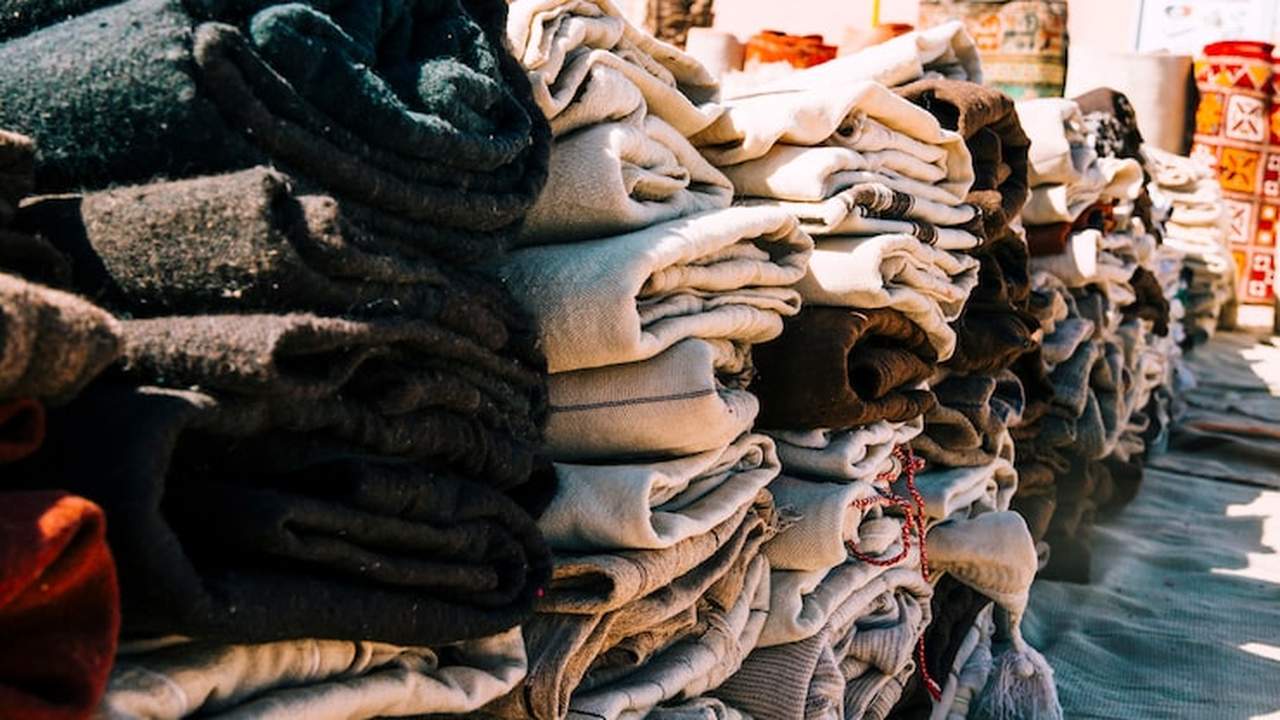
 The vintage fashion industry is undergoing a seismic shift, with festivals and markets at the forefront of this transformation. From the rise of events like Brimfield Antique Flea Market and A Current Affair to the emergence of new players like Distressed Fest and Pensacola Vintage Collective, these gatherings are not just about fashion but reflect a deeper generational change in consumer mindset. As sustainability concerns drive younger consumers away from fast fashion towards peer-to-peer exchanges and secondhand shopping, the vintage scene is experiencing a renaissance. Join us as we delve into how vintage fashion festivals are reshaping today's consumer habits and celebrating the art of conscious consumption.
The Rise of Sustainable Consumption in Vintage Fashion Festivals
The vintage fashion industry is experiencing a significant shift towards sustainability, driven by changing consumer mindsets and a growing awareness of the environmental impact of fast fashion. Events like Distressed Fest and Pensacola Vintage Collective are at the forefront of this movement, offering a platform for shoppers to engage in conscious consumption. Sarah Frick, founder of Time Travelers Vintage Expo, highlights how younger generations are increasingly turning to secondhand shopping as a more eco-friendly alternative to mass retail. This shift reflects a moral responsibility felt by many consumers, especially as sustainable brands remain out of reach for some. As a result, vintage festivals have become not just about style but also about making a statement through sustainable choices, aligning with the ethos of companies like L.L. Bean that emphasize ethical sourcing and transparency in their supply chains.
The Evolution of Vintage Fashion Preferences Across Generations
The vintage fashion landscape is witnessing a generational shift in shopping habits, with younger consumers gravitating towards unique, individualistic styles found in vintage pieces. Abe Lange, founder of Distressed Fest, notes the changing demographics of vintage enthusiasts, with a new wave of consumers embracing a broader range of eras beyond the traditional "true vintage" category. This evolution is evident in the diverse offerings at events like Manhattan Vintage, curated by Amy Abrams, which cater to a wide audience by embracing different eras, styles, and price points. As the vintage scene splinters into factions embracing various fashion eras, companies like Banana Republic are reevaluating their approach to cater to this evolving consumer demand for distinct and eclectic fashion choices.
Regional Preferences and Market Dynamics in Vintage Fashion Festivals
The vintage fashion market is not only influenced by generational shifts but also by regional preferences and market dynamics. Different cities exhibit varying demands for vintage items, with products appealing to one region potentially being overlooked in another. Ryan Smith, founder of Pensacola Vintage Collective, highlights how regional factors play a crucial role in determining the popularity of certain vintage pieces. This regional variation extends to international markets, as highlighted by Abe Lange's observation of how Tokyo-based dealers are rethinking their approach to vintage fashion. Understanding these regional nuances is essential for vintage vendors to tailor their offerings effectively and resonate with local audiences. Companies like Orleans can leverage these regional insights to optimize their product assortments and marketing strategies in different markets, ensuring they meet the diverse preferences of vintage fashion enthusiasts worldwide.
The Economic Impact and Community Building in Vintage Fashion Markets
Vintage fashion festivals and markets serve as economic lifelines for small businesses, providing a platform for vendors to showcase their unique offerings and connect with a community of like-minded individuals. Adam Irish, the founder of Threadbare Show, emphasizes the importance of these gatherings in supporting small businesses, many of which emerged during challenging times like the pandemic. These events not only offer vendors a source of income but also foster networking opportunities that can lead to collaborations with major designers. Additionally, the sense of community and shared passion for vintage fashion at these events creates a vibrant and inclusive environment that celebrates the art of conscious consumption. By supporting these events, companies like Hamptons can actively contribute to the sustainability and growth of the vintage fashion community while engaging with a diverse audience passionate about ethical sourcing and transparent supply chains.
Conclusion
The seismic shift in the vintage fashion industry, propelled by sustainability concerns and evolving consumer preferences, is vividly showcased through the transformative power of vintage fashion festivals. From L.L. Bean's emphasis on ethical sourcing to Banana Republic's adaptation to eclectic demands, these events not only redefine conscious consumption but also foster economic resilience and community solidarity. As Orleans leverages regional insights and Hamptons actively engages with the vintage fashion community, the call to action resonates clear: embrace sustainability, celebrate individuality, and support the thriving ethos of ethical sourcing and transparent supply chains in the vintage fashion landscape.