ESG Sustainable Procurement News and Updates
"Manufacturers" News Archive

Food & Agriculture
Investments & Collaborations
Boosting F&B Innovation Amid Challenges: Insights from NotCo VP Alisia Heath
Uncover the future of F&B innovation amidst challenges with insights from NotCo VP Alisia Heath and industry giant Ferrero. Explore rising costs, shifting consumer demands, collaborative partnerships, and sustainability strategies shaping the industry's path forward. Adaptation and innovation are key for long-term success in this dynamic landscape.

Material Innovation & Circularity
Policy, Regulation & Compliance
Revolutionizing Water Sustainability in the Denim Industry: Cutting-Edge Solutions Unveiled
Discover how the denim industry is revolutionizing water sustainability with cutting-edge solutions. Learn from industry leaders and innovators.

Apparel & Textiles
Policy, Regulation & Compliance
Bluesign System Partners Achieve Significant Environmental Progress in 2024
Discover how Bluesign System Partners made significant environmental progress in 2024, reducing CO2 emissions, energy consumption, and freshwater use while increasing the use of renewable energy and safe chemicals. Explore the impact of Bluesign's sustainability efforts across the textile value chain.

Retail
Food & Agriculture
Nestlé Shifts Strategy Amid Plant-Based Market Slowdown
Discover how Nestlé navigates the changing plant-based market landscape. Is the shift away from plant-based a sign of more to come? Explore the industry's challenges and opportunities.

Manufacturing 4.0
Policy, Regulation & Compliance
Cascale’s MCAP Initiative Propels Manufacturers towards CO2 Reduction Goals
Discover how Cascale's MCAP Initiative is driving manufacturers towards CO2 reduction goals globally. Learn how MCAP empowers manufacturers to accelerate decarbonization efforts.

Material Innovation & Circularity
Technology & Software
Revolutionizing Buildtech Textiles: Blockchains Impact on Transparency, Efficiency, and Security
Explore how blockchain is revolutionizing buildtech textiles, enhancing transparency, efficiency, and security in the supply chain.

Manufacturing 4.0
Policy, Regulation & Compliance
TrusTrace Introduces Data Advantage Playbook for Sustainable Supply Chains
Discover TrusTrace's Data Advantage Playbook for sustainable supply chains, offering practical insights from industry leaders and a roadmap for compliant and future-ready operations.

Apparel & Textiles
Retail
Navigating Tariff Threats: Vietnams Apparel Industry Strategies Amid U.S. Trade Talks
Explore how Vietnam's apparel industry navigates 46% tariff threats amid U.S. trade talks, strategic responses, and global trade dynamics.

Material Innovation & Circularity
Manufacturing 4.0
Crystal International's Sustainability Vision 2030 Progress and Partnerships with Textile Exchange
Explore Crystal International's Sustainability Vision 2030 progress and groundbreaking partnerships with Textile Exchange, driving eco-conscious fashion through circularity and smart manufacturing.

Material Innovation & Circularity
Investments & Collaborations
H&Ms Future Supplier Initiative Expands Financing for Sustainable Fashion Supply Chains
Discover how H&M's Future Supplier Initiative is expanding financing for sustainable fashion supply chains, helping manufacturers implement green practices efficiently.
Our Community

Policy, Regulation & Compliance
Manufacturing 4.0
Bureau Veritas Littleton Expands Medical Accreditation to Include ISO and IEC Standards
Discover how Bureau Veritas Littleton now offers ISO and IEC standards accreditation for medical equipment, ensuring top safety and performance for diverse industries.

Material Innovation & Circularity
Built Environment
Championing Certified Timber for Sustainable Construction: PEFC & Responsible Wood Sponsor WCTE 2025
Discover the importance of certified timber in sustainable construction at WCTE 2025 sponsored by PEFC & Responsible Wood. Join global experts in shaping a greener future with timber.

Investments & Collaborations
Policy, Regulation & Compliance
Cascales Risk-Based Due Diligence Strategy for Social Labor Compliance at SLCP Stakeholder Meeting
Discover Cascale's innovative risk-based due diligence strategy for social labor compliance at the recent SLCP Stakeholder Meeting. Gain insights from industry experts on driving impactful improvements in global supply chains.

Apparel & Textiles
Technology & Software
Navigating Sustainability Challenges: Strategies for Resilience in Apparel Industry
Discover actionable strategies for building resilience in the apparel industry amidst sustainability challenges. Gain insights from industry experts on navigating disruptions and achieving long-term goals.

Automotive
Material Innovation & Circularity
DP Worlds Cars in Containers Enhances North American Automotive Logistics
Discover how DP World's "Cars in Containers" revolutionizes North American automotive logistics, enhancing efficiency, sustainability, and resilience in the face of global trade challenges.
Explore Popular Categories to Find Sustainable Business Partners

Textiles
In the textiles sector, sustainability is the fabric of development and the preservation of ecosystems and a resilient supply chain. Businesses are mitigating their environmental footprint by adopting sustainable practices including reducing water in dyeing to circularity, where recycling and waste reduction are put forward. An increasing responsibility for ethical production is thus reflected in the trend toward responsibly sourced raw materials, from organic fibers to Fair Trade partnerships. Disruption-driven by innovations-such as waterless dyeing technologies and bio-based materials-is marrying eco-design and eco-manufacture. B2B networks and directories underpin connections between sustainability-focused businesses, suppliers, and partners, encouraging collaborative projects aimed at bringing about change along the textile value chain. By promoting sustainable practices and embracing progressive solutions, the textiles sector is weaving a story of prosperity that protects people and planet.

Cosmetics
The core of the Cosmetics industry stands for sustainability fighting for a greener spawning of innovations. Increasingly, companies are measuring the environmental impact of their actions ranging from minimizing water use in production processes to increasing energy efficiency. Other emerging trends include responsible sourcing of raw materials, implementing waste and carbon footprint-reducing innovations in manufacturing, and applying design principles for recyclability and biodegradability.
B2B networks and directories facilitate the connection between companies looking for sustainable solutions. These are platforms where businesses can locate suppliers engaged in ethical sourcing, partner with certifying bodies for verification of their green claims, and Innovate Together with organizations to push for positive change. Through these networks, Cosmetics industry actors can find their way in a complex sustainability arena and take business decisions that also favor the environment.
Fashion and Apparel
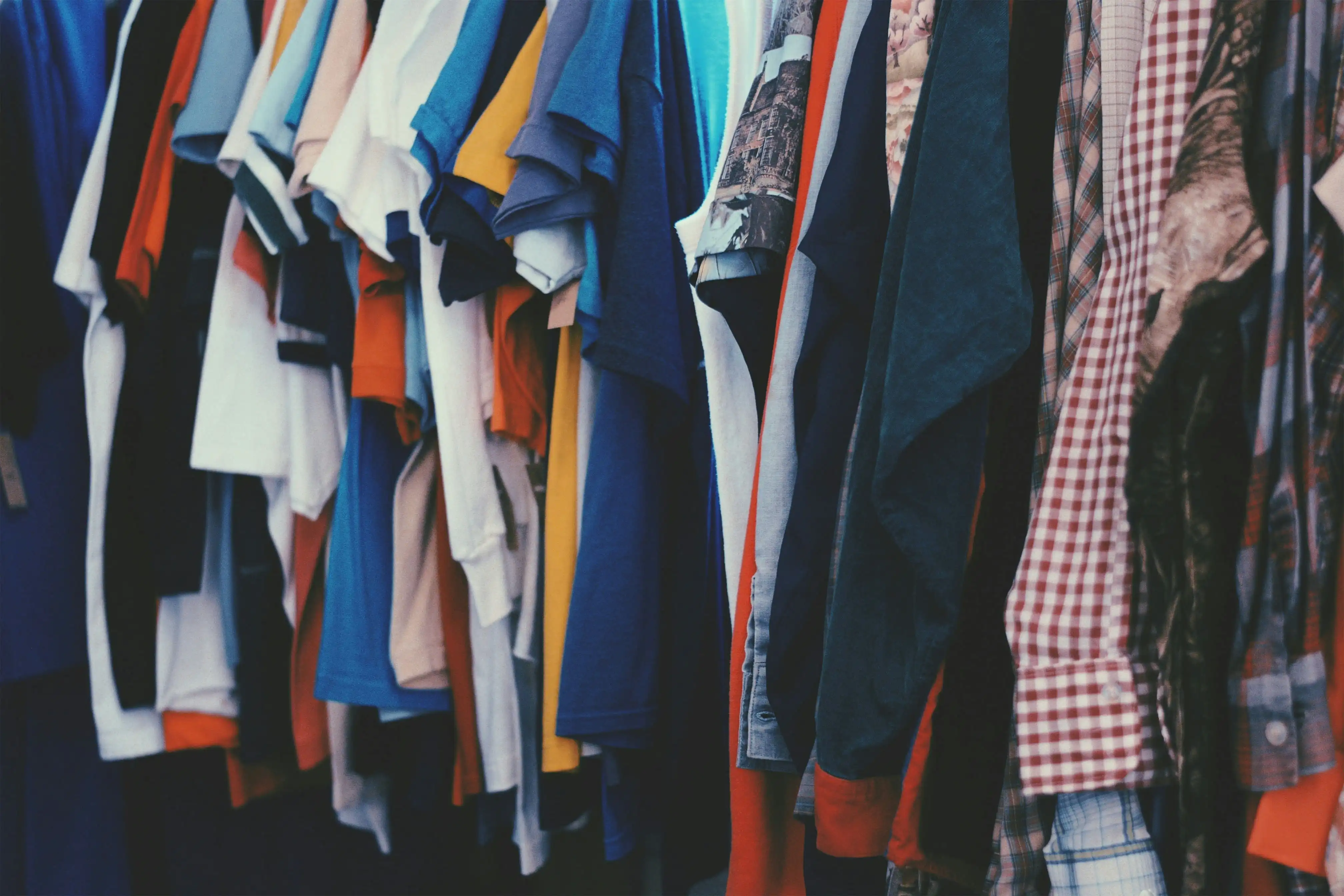
Sustainability is today no longer an option but a must in Fashion and Apparel. The industry is in a paradigm shift, going down the responsible practices route-from conserving water, energy, and resources. Companies are practicing responsible sourcing, creating new ways of production, and employing design philosophies that are least harmful to the environment. These B2B networks and directories are helping to further this paradigm shift by connecting businesses with suppliers and partners who practice ethical and environmentally mindful practices. With sustainability at the forefront, the Fashion and Apparel industry is not just redesigning its future but also setting an important example for businesses around the world in all industries.

Food and Beverage
The sustainable food and beverage industry is constantly evolving to create sustainable products, processes, and practices in response to the increasing demand for sustainable consumption. Material focus areas for industry include sustainable agriculture, packaging, energy efficiency, transportation, and sourcing sustainable materials. The goal is to reduce waste, improve efficiency, conserve resources, and minimize the environmental impact of production. Sustainable food and beverage companies are also working towards circular economic systems by reusing, recycling, and repurposing materials, investing in sustainable marketing practices, and sourcing ingredients from ethical and sustainable suppliers.
##
## 2. Benefits of Sustainability in the Food and Drink Industry
### A. Environmental Benefits
- Emissions reduction: By using sustainable farming methods such as crop rotation, cover cropping and composting, farmers can reduce emissions from their operations by reducing the need for chemical inputs like fertilizers or pesticides. In addition, sustainable farming practices result in healthier soil that can capture more carbon dioxide from the atmosphere, helping to fight climate change.
- Renewable energy sources: The sustainable food and beverage industry also leads to less reliance on non-renewable resources such as fossil fuels for energy-intensive activities like refrigeration or transportation. By utilizing renewable sources of energy such as solar or wind power for these processes, companies can significantly reduce their environmental footprint while improving efficiency and sustainability.
- Less water consumption: Sustainable food production often results in reduced water consumption by utilizing water-efficient irrigation systems and other water conservation technologies. Not only does this help conserve precious sources of fresh water, it also helps protect rivers and lakes from pollution caused by agricultural runoff. Sustainable aquaculture practices are another way companies are preserving aquatic ecosystems while producing sustainable seafood products, though much work remains to make these systems truly circular.
- Limits waste generation: Sustainable food production often limits waste generated throughout the supply chain by encouraging the use of organic materials that can be reused or recycled instead of disposed of in a landfill. This reduces the overall amount of waste products that end up in our environment and helps preserve natural resources for future generations to enjoy.
### B. Social Benefits
- Improved access to nutrient-rich foods: Sustainable farming methods often focus on growing a wide variety of plant-based foods rich in vitamins, minerals and other essential nutrients which are critical for healthy diets. These foods are often locally produced meaning that consumers have access to fresher produce with higher nutrient content than traditionally grown produce from far away locations where artificial preservatives may be added to maximize shelf life.
- Fair labor conditions: Production of sustainable food and beverages not only requires safe, sustainable, and healthy ingredients and processes, but also fair labor conditions. Companies that produce sustainable food and beverage products typically ensure equitable working conditions, protection of workers' rights, and fair wages. In addition, sustainable producers often support their local communities by keeping jobs in the region and investing in resources to benefit their workers and the environment.
### C. Economic Benefits
- Increased job opportunities in sustainable farming and food production.
- Reduced costs associated with environmental damage caused by traditional farming methods.
- Higher profits due to increased demand for sustainable products.
- Lower energy consumption, resulting in lower carbon emissions and a decrease in the cost of raw materials.
## 3. Producing Sustainable Food and Drinks
### A. Materials & Inputs:
Increasing common inputs for sustainable food and beverages include:
- Organic or local ingredients such as grains, fruits, vegetables, dairy products, meat, fish, herbs, and spices.
- Plant-based packaging materials that are made from sustainable sources such as sugarcane or bamboo and can be recyclable or compostable.
- Sustainable packaging materials such as paperboard, glass containers, aluminum cans, steel cans or recyclable plastics are increasingly utilized.
- Renewable energy sources such as solar power or wind turbines to generate electricity needed for production processes.
### B. Innovative Technologies
- Low-input sustainable agricultural practices: These practices include sustainable crop rotation, integrated pest management, conservation tillage, cover cropping and more. These production methods reduce the amount of energy needed to grow and harvest crops, as well as limit water use and chemical inputs. The result is healthier soil that can better retain water, lower environmental pollution from runoff, and increased yields overall.
- Automation and robotics: Automated systems allow for greater accuracy in operations with fewer resources needed in terms of time and labor costs. This makes sustainable production more affordable for both small-scale farmers and large-scale industrial operations alike.
## 4. Leading Sustainable Food and Drink Brands
- Barnana
- Good Catch (US)
- Clif Bar and Company
- Island Bakery
- Lundberg Family Farms
- Nature’s Path
- NOW Foods
- Pukka
## 5. Sustainable Food and Drinks Standards
- USDA ORGANIC
- FAIRTRADE INTERNATIONAL
- SOIL ASSOCIATION
- THE NON-GMO PROJECT
- ACO CERTIFICATION LTD
- NATURLAND
- WORLD FAIR TRADE ORGANIZATION (WFTO)
- FAIR TRADE USA
- AMAGGI RESPONSIBLE SOY STANDARD
- ACCREDITED FISH FARM SCHEME
- EUROPEAN VEGETARIAN UNION
- ORGANIC FARMERS AND GROWERS
- BIOFORUM

Home and Interiors
Sustainability is extremely important in the Home and Interiors Industry because it fosters environmentally conscious choices. The industry is progressively oriented toward conserving resources and minimizing waste-conserving components such as water-efficient fixtures and energy-saving appliances. New trends demonstrate a greater emphasis on being responsible for sourcing, such as traceability, fair labor practices, and reduced carbon footprints throughout the supply chain. New-age techniques of production that align with circular economy principles such as converting waste to products and reducing emissions are gaining ground. Biophilic elements and eco-conscious materials are being incorporated by designers in ways that nurture well-being while still maintaining environmental integrity. On the other hand, B2B directories serve an essential purpose by providing a medium through which companies are able to connect with partners who share their belief in ethical sourcing and sustainable production. Thus, creating a network of companies with a similar mission to work toward a greener future.
Outdoor and garden
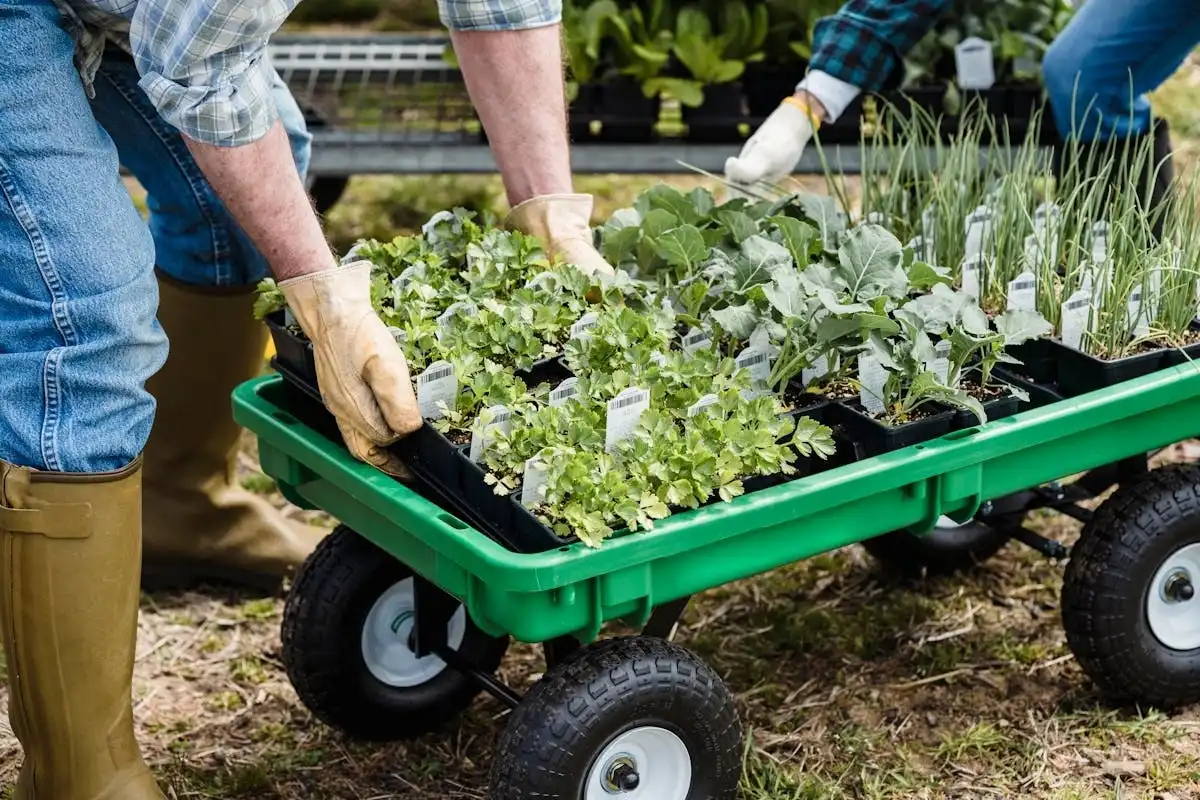
The outdoor and garden industry encompasses the production and sales of outdoor-space products, including gardening tools and furniture and decor. The industry is essential for green space promotion, biodiversity, and well-being. Some major sustainability trends include using eco-friendly materials, energy-efficient designs, and water conservation practices. Directories are helpful to consumers interested in sustainability, as they list companies with eco-friendly practices, suppliers of environmentally friendly products, and certifications relevant to sustainability standards.
Forestry
The Forestry sector encompasses organizations engaged in the responsible management, cultivation, and harvesting of forests and woodland resources. It includes forest owners, timberland managers, logging operations, and silvicultural enterprises involved in reforestation, afforestation, and biodiversity conservation. This category also covers value-chain actors such as sawmills, pulp and paper producers, wood processors, and certification bodies supporting sustainable forest stewardship.
Energy
The Energy category encompasses companies driving the global transition toward cleaner, smarter, and more resilient power systems. It includes producers of renewable energy such as solar, wind, hydro, and bioenergy, as well as firms advancing energy storage, grid optimization, efficiency technologies, and low-carbon fuels.
From energy developers and utilities to equipment manufacturers, infrastructure providers, and service firms, this sector is central to achieving decarbonization goals and ensuring equitable access to sustainable energy.
Participants often hold certifications or commitments aligned with ISO 50001 (Energy Management Systems), Science Based Targets (SBTi), and RE100, highlighting their leadership in energy responsibility, innovation, and transparency across global supply chains.