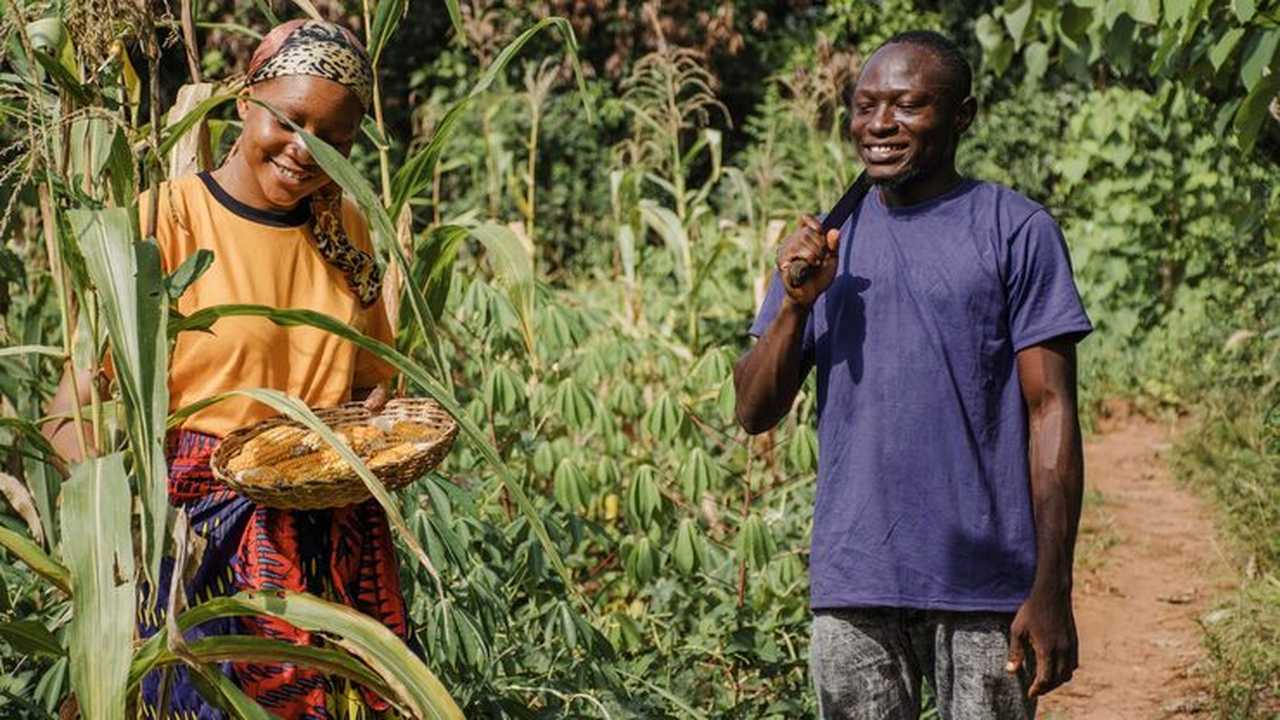
 Amidst a global food crisis, PELUM Kenya stands at the forefront of a transformative movement towards climate-smart farming in Africa. Led by Rosinah Mbenya, the organization champions agroecological principles to nourish the planet sustainably while uplifting smallholder farmers. Despite challenges, Mbenya's vision for agroecology transcends scale, emphasizing its potential to revolutionize agriculture. Join us as we delve into the pivotal role of PELUM Kenya in shaping a more sustainable future for farming, exploring the critical need for increased investments and policy support to drive this essential transition.
The Potential of Agroecology in Sustainable Farming
Agroecology, as championed by PELUM Kenya, offers a promising pathway towards sustainable farming practices in Africa. By promoting organic, regenerative, and conservation agriculture, as well as agroforestry and permaculture, PELUM Kenya is at the forefront of a movement that prioritizes environmental healing and livelihood support for smallholder farmers. The emphasis on eschewing genetically modified organisms (GMOs) and synthetic inputs aligns with the growing consumer demand for ethically sourced and transparently produced food products. Furthermore, the assertion by Rosinah Mbenya that agroecological practices can be scaled beyond small farms challenges the misconception that such methods are limited in scope.
The adoption of agroecology not only aligns with consumer preferences but also presents a strategic advantage for companies seeking to enhance their sustainability credentials. Embracing agroecological principles can help businesses mitigate risks associated with climate change, water scarcity, and biodiversity loss. Companies like Monsanto and Bayer, known for their involvement in conventional agriculture, could explore partnerships with organizations like PELUM Kenya to incorporate agroecological practices into their supply chains. This strategic shift towards sustainable farming methods not only aligns with evolving regulatory landscapes but also resonates with a growing segment of environmentally conscious consumers.
The Need for Increased Investments in Agroecology
Despite the potential of agroecology, a critical barrier to its widespread adoption remains the lack of sufficient investment. As highlighted by Rosinah Mbenya, the financing directed towards agroecology is significantly lower compared to conventional farming methods. This underscores the urgent need for both the private sector and governments to step up and allocate resources towards supporting farmers in transitioning to agroecological techniques at scale. The call for fast-tracking investments in agroecology reflects a recognition of the extensive capacity-building efforts required to facilitate this transition effectively.
Companies operating in the agricultural sector, such as Syngenta and Cargill, have a unique opportunity to drive positive change by redirecting their investment portfolios towards sustainable farming practices. By partnering with organizations like PELUM Kenya and investing in initiatives that promote agroecology, these companies can not only enhance their corporate social responsibility profiles but also contribute to the long-term resilience of the agricultural sector. Moreover, aligning investment strategies with the principles of agroecology can position companies as leaders in sustainable agriculture, attracting environmentally conscious investors and consumers alike.
Policy Support for Agroecological Transformation
The advocacy efforts of PELUM Kenya underscore the importance of robust policy frameworks to facilitate the transition towards agroecological farming practices. Governments play a crucial role in creating an enabling environment that incentivizes the adoption of sustainable agriculture through supportive policies, subsidies, and regulatory mechanisms. By engaging with policymakers and advocating for policies that promote agroecology, organizations like PELUM Kenya can drive systemic change that benefits both farmers and the environment.
Companies operating in the agricultural sector must also engage proactively with policymakers to shape regulations that support sustainable farming practices. By collaborating with industry peers, NGOs, and government agencies, companies can influence policy decisions that prioritize agroecology and incentivize investments in sustainable agriculture. Aligning corporate advocacy efforts with the goals of organizations like PELUM Kenya can create a unified voice for sustainable agriculture, driving policy reforms that pave the way for a more resilient and environmentally conscious food system.
Capacity Building for Agroecological Transition
The success of transitioning towards agroecological farming practices hinges on comprehensive capacity-building initiatives that equip farmers with the knowledge and skills needed to implement sustainable techniques effectively. PELUM Kenya's emphasis on knowledge sharing and capacity building reflects a recognition of the critical role that education and training play in driving the adoption of agroecology. By empowering farmers with the necessary tools and resources, organizations can catalyze a transformative shift towards more sustainable and climate-smart agricultural practices.
Companies with expertise in agricultural research and development, such as BASF and DuPont, can contribute to capacity-building efforts by sharing best practices, providing training programs, and supporting knowledge exchange platforms. Collaborating with organizations like PELUM Kenya to develop tailored capacity-building initiatives can not only enhance the skills of farmers but also foster innovation and resilience within the agricultural sector. Investing in the education and training of farmers is not only a strategic imperative for companies seeking to promote sustainable agriculture but also a fundamental step towards building a more sustainable and inclusive food system.
Scaling Impact Through Collaborative Partnerships
Collaborative partnerships between organizations like PELUM Kenya, agricultural companies, governmental agencies, and research institutions are essential for scaling the impact of agroecology across the agricultural value chain. By fostering synergies and sharing resources, stakeholders can leverage their collective expertise to drive innovation, knowledge dissemination, and policy advocacy in support of sustainable farming practices. The power of collaboration lies in its ability to amplify the impact of individual efforts and create a more cohesive and resilient ecosystem for sustainable agriculture.
Companies looking to enhance their sustainability initiatives can explore partnerships with organizations like PELUM Kenya to leverage their expertise in agroecology and sustainable farming. By engaging in mutually beneficial collaborations, companies can tap into new markets, access innovative solutions, and strengthen their commitment to environmental stewardship. The strategic alignment of interests between businesses and organizations promoting agroecology lays the foundation for impactful partnerships that not only drive positive change within the agricultural sector but also contribute to a more sustainable and resilient food system for future generations.
Conclusion
In a landscape marred by a global food crisis, PELUM Kenya emerges as a beacon of hope, spearheading the charge towards climate-smart farming in Africa through agroecology. The transformative potential of sustainable farming practices championed by PELUM Kenya not only aligns with consumer preferences and corporate sustainability goals but also underscores the urgent need for increased investments and policy support to drive widespread adoption. As we navigate the complexities of a changing climate and evolving agricultural sector, the collaborative efforts between organizations like PELUM Kenya, agricultural companies, and policymakers offer a compelling pathway towards a more resilient and environmentally conscious food system. Let us heed this call to action, embracing agroecology as a cornerstone of a sustainable future for farming, and collectively sow the seeds of positive change for generations to come.