
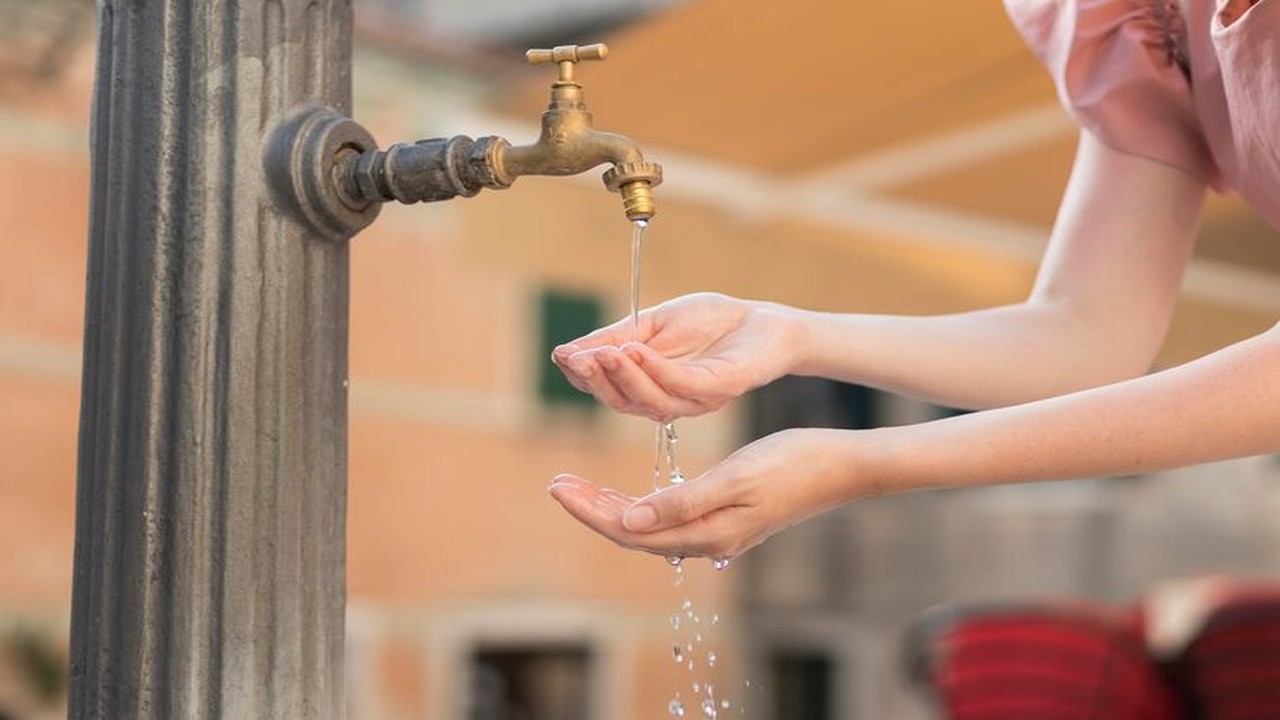
 With 2.1 billion people lacking access to safe water globally, the collaboration between Amazon, Gap Inc., Starbucks, and Ecolab through Water.org's Get Blue initiative marks a pivotal moment in the quest for water sustainability. This groundbreaking partnership aims to revolutionize how businesses address the water crisis, emphasizing the critical role of clean water in driving economic growth and social progress. By uniting industry giants under a shared mission, Get Blue sets a new standard for corporate responsibility and collective action, signaling a transformative shift towards a more sustainable future.
The Business Imperative of Water Sustainability
The collaboration between Amazon, Gap Inc., Starbucks, and Ecolab through Water.org's Get Blue initiative underscores a fundamental shift in how businesses are approaching water sustainability. With 2.1 billion people lacking access to safe water globally, companies are increasingly recognizing the strategic importance of addressing water scarcity not just as a social responsibility but as a business imperative. This initiative highlights the growing trend of businesses aligning their operations with sustainable practices to mitigate risks associated with water scarcity, enhance brand reputation, and drive long-term value creation. By prioritizing water access and sanitation, companies are not only contributing to global development goals but also securing their own resilience in the face of escalating water challenges.
Collective Action for Impactful Change
The Get Blue campaign, spearheaded by Gap Inc., Amazon, Starbucks, and Ecolab, exemplifies the power of collective action in driving meaningful change at scale. By leveraging their market influence and resources, these industry leaders are not only raising awareness about the global water crisis but also mobilizing tangible solutions to address it. Through partnerships with Water.org, these companies are demonstrating a shared commitment to sustainability that transcends individual interests, signaling a shift towards collaborative models of corporate responsibility. The ability of these companies to unite under a common cause showcases a new era of cross-sector collaboration where competitors become allies in pursuit of a greater good, setting a precedent for future industry-wide initiatives aimed at tackling pressing global challenges.
Market Differentiation Through Purpose-Driven Initiatives
As companies like Gap Inc. and Starbucks embrace initiatives like Get Blue, they are not only fulfilling their social and environmental responsibilities but also differentiating themselves in a competitive marketplace. Consumers are increasingly gravitating towards brands that demonstrate a clear commitment to sustainability and ethical sourcing practices. By actively engaging in initiatives that promote water access and sanitation, companies can enhance their brand equity, foster customer loyalty, and attract socially conscious consumers. Moreover, by aligning their business strategies with purpose-driven initiatives, companies are able to create a unique value proposition that goes beyond traditional product offerings, positioning themselves as leaders in sustainability and responsible corporate citizenship.
Innovation and Scalability in Sustainable Solutions
The partnership between Amazon and Water.org highlights the crucial role of innovation in driving scalable and sustainable solutions to global challenges. As a technology and e-commerce giant, Amazon is uniquely positioned to leverage its resources and expertise to pioneer innovative approaches to water stewardship. By setting ambitious goals to replenish more water than it uses across its operations and investing in water replenishment projects globally, Amazon is showcasing how businesses can drive positive environmental impact through strategic investments and operational efficiencies. This focus on innovation not only enhances Amazon's reputation as a responsible corporate citizen but also sets a precedent for other companies to adopt innovative practices in addressing complex sustainability issues.
Conclusion
The collaboration between Gap Inc., Amazon, Starbucks, and Ecolab through Water.org's Get Blue initiative exemplifies a transformative shift towards water sustainability in global supply chains. By uniting under a shared mission, these industry leaders are not only addressing the critical issue of water scarcity but also setting a new standard for corporate responsibility and collective action. Through innovative solutions, market-differentiating initiatives, and a commitment to scalable impact, these companies are not just driving change but shaping a more sustainable future where purpose-driven businesses lead the way. This partnership serves as a powerful reminder of the strategic imperative for businesses to prioritize sustainability, ethical sourcing, and transparency in their operations, ultimately paving the path for a more resilient and responsible business landscape.