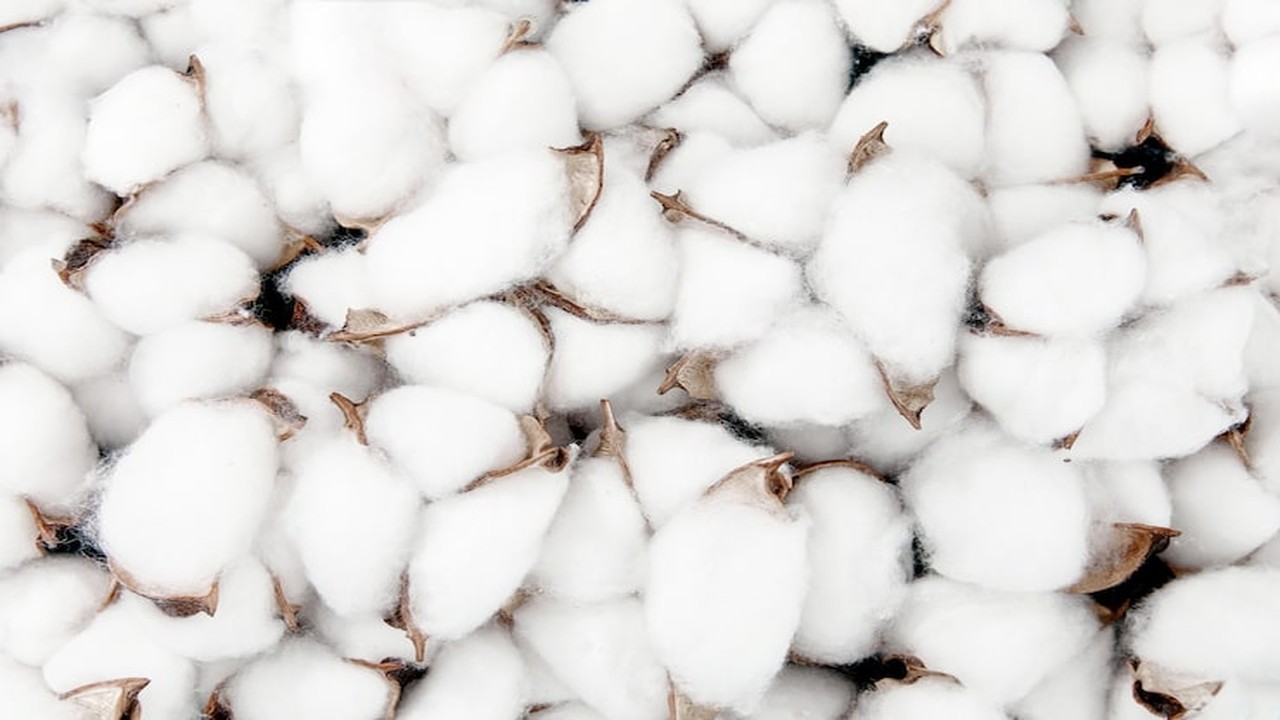
 In a groundbreaking move towards sustainable textile processing, Archroma has forged a transformative partnership with Fibre52. This collaboration introduces a revolutionary low-temperature bleaching technology that enhances fabric quality while significantly reducing environmental impact. With a focus on advancing sustainable chemistry, Archroma's latest initiatives are poised to redefine industry standards and drive innovation in global supply chains.
Sustainable Chemistry Redefining Textile Processing
The partnership between Archroma and Fibre52 marks a significant milestone in the textile industry's journey towards sustainability. By integrating Fibre52's low-temperature bleaching technology into its product lines, Archroma is not only enhancing fabric quality but also reducing environmental impact. This strategic move aligns with Archroma's commitment to advancing sustainable chemistry, as evidenced by its recent Cradle to Cradle Gold certification. The innovative approach of Fibre52, which replaces harsh bleaching methods with a gentler alternative, showcases how companies can leverage technology to drive positive change in supply chains.
Moreover, the collaboration between Archroma and Fibre52 underscores the growing importance of eco-friendly practices in the textile sector. The shift towards sustainable processing not only benefits the environment but also resonates with consumer preferences for ethically sourced products. As companies strive to meet ESG goals and enhance transparency in their supply chains, partnerships like this one set a new standard for responsible business practices. By embracing sustainable chemistry, companies can not only differentiate themselves in the market but also contribute to a more sustainable future for the industry as a whole.
Advancing Innovation Through Strategic Partnerships
The exclusive global distribution partnership between Archroma and Fibre52 exemplifies how collaboration can drive innovation in the textile industry. By combining Archroma's expertise in sustainable chemistry with Fibre52's cutting-edge technology, the partnership creates a platform for continuous improvement and development. This strategic alliance not only benefits both companies but also sets a precedent for future collaborations that prioritize sustainability and efficiency. As businesses increasingly focus on ESG factors and seek to reduce their carbon footprint, such partnerships play a crucial role in fostering a culture of innovation and responsible growth.
Furthermore, the integration of Fibre52 into Archroma's global sales and technical network highlights the importance of scalability in sustainable initiatives. As companies expand their operations and seek to implement sustainable practices on a larger scale, partnerships that offer innovative solutions become essential. The strategic vision of both Archroma and Fibre52 to empower the textile industry through sustainable technologies not only drives operational efficiency but also paves the way for a more environmentally conscious approach to business. By leveraging strategic partnerships, companies can stay ahead of industry trends and position themselves as leaders in sustainable innovation.
Empowering Communities Through Sustainable Practices
In addition to driving innovation and efficiency, the collaboration between Archroma and Fibre52 also underscores the importance of community empowerment in sustainable development. The renovation and development of a sustainable laboratory facility at the Institute of Chemical Technology in Mumbai, India, supported by Archroma, exemplify a commitment to knowledge sharing and capacity building. By investing in educational initiatives and research facilities, companies can foster a culture of sustainability that extends beyond their own operations.
Moreover, the focus on community outreach and training programs for small business entrepreneurs and artisans highlights the broader societal impact of sustainable practices. Through initiatives that promote eco-friendly processing techniques and value-added solutions, companies like Archroma and Fibre52 are not only driving industry transformation but also creating opportunities for local stakeholders to participate in sustainable development. By empowering communities and sharing knowledge, businesses can build resilient supply chains that prioritize environmental stewardship and social responsibility.
Conclusion
The partnership between Archroma and Fibre52 represents a pivotal moment in the textile industry's sustainability journey, showcasing the power of collaboration and innovation in driving positive change. By prioritizing sustainable chemistry, advancing eco-friendly practices, and empowering communities, this transformative alliance sets a new standard for responsible business practices. As companies navigate the evolving landscape of ESG goals and consumer demands, strategic partnerships like this not only drive operational efficiency but also pave the way for a more sustainable and inclusive future. Embracing sustainable practices is not just a choice but a strategic imperative for businesses looking to lead in a world that values transparency, ethics, and environmental stewardship.