
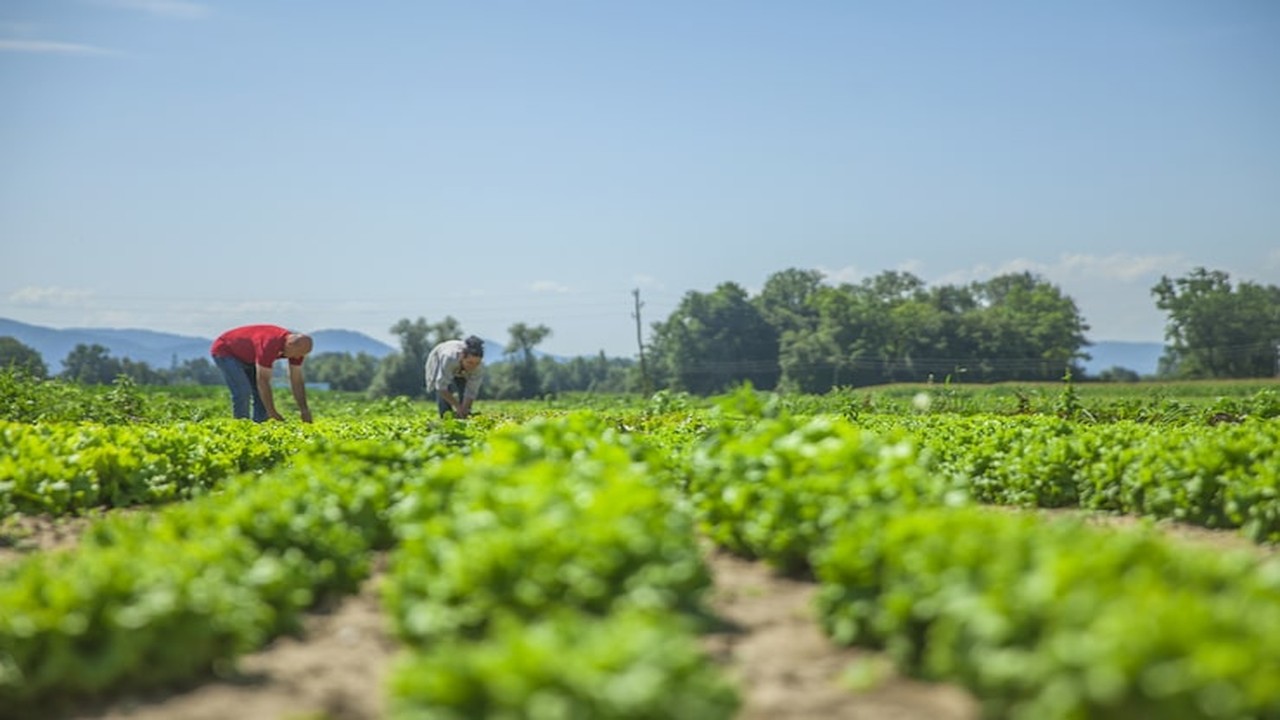
 Global pesticide use has doubled since 1990, raising concerns about sustainability and health impacts. Amid escalating pest problems exacerbated by climate change, the shift towards biopesticides offers a promising solution. Derived from natural sources, biopesticides are proving to be effective, less toxic, and environmentally friendly alternatives. Despite challenges, collaborations between agricultural companies, policymakers, and farmers are driving the adoption of biopesticides for a more sustainable future in agriculture. Join us as we delve into the potential of biopesticides in transforming global supply chains towards greater sustainability and transparency.
Environmental Impact of Synthetic Pesticides
The escalating use of synthetic pesticides globally poses a significant threat to the environment and human health. According to the U.N. Food and Agriculture Organization (FAO), the doubling of pesticide use since 1990 raises concerns about the sustainability of current agricultural practices. These chemicals not only harm biodiversity by endangering essential insect populations but also have detrimental effects on human health, including links to cancer and neurological disorders. As the negative impacts of synthetic pesticides become more apparent, there is a growing urgency to explore alternative solutions that are both effective and environmentally friendly.
Biopesticides, derived from natural sources such as bacteria and plants, offer a promising alternative to synthetic pesticides. Companies like CropLife International are recognizing the importance of transitioning towards biopesticides to mitigate the environmental damage caused by conventional chemicals. By embracing biopesticides, which are inherently less toxic and more targeted in their approach, the agricultural industry can reduce its ecological footprint while maintaining effective pest control measures. Collaborative efforts between agricultural companies, policymakers, and research institutions are crucial in driving this shift towards more sustainable agricultural practices.
Economic Viability and Affordability of Biopesticides
While the benefits of biopesticides in terms of environmental sustainability are evident, challenges related to their economic viability and affordability persist. The adoption of biopesticides is hindered by regulatory hurdles, farmer skepticism, and the higher initial costs associated with these products compared to traditional pesticides. Companies operating in the agricultural sector, such as International Centre of Insect Physiology and Ecology (icipe), are actively engaged in public-private partnerships to address these barriers and promote the use of biopesticides among farmers. By investing in research and development, as well as educational initiatives, these companies are working towards making biopesticides more accessible and cost-effective for farmers worldwide.
Innovation and Collaboration in Sustainable Agriculture
The shift towards biopesticides represents a paradigm shift in the agricultural industry towards more sustainable and environmentally conscious practices. Companies like International Crops Research Institute for the Semi-Arid Tropics (ICRISAT) are at the forefront of innovation, leveraging microbial biopesticides to control pests and promote biodiversity in regions like Africa and Asia. Through collaborations with farmers and research institutions, these companies are demonstrating the tangible benefits of biopesticides in enhancing crop resilience and reducing the reliance on synthetic chemicals. By fostering partnerships between key stakeholders in the agricultural value chain, including policymakers, companies, and farmers, the industry can drive meaningful change towards a more sustainable and transparent supply chain.
Regulatory Framework and Policy Support for Biopesticides
The successful integration of biopesticides into mainstream agricultural practices requires a supportive regulatory framework and policy environment. Companies like U.S. Environmental Protection Agency (EPA) play a crucial role in evaluating and approving biopesticides for commercial use, ensuring their safety and efficacy. Policymakers need to prioritize the development of policies that incentivize the adoption of biopesticides and promote sustainable farming practices. By aligning regulatory measures with the goals of environmental protection and public health, governments can create an enabling environment for companies to invest in research and innovation in the biopesticide sector. Collaborative efforts between regulatory bodies, industry stakeholders, and advocacy groups are essential in shaping a regulatory landscape that fosters the growth of biopesticides as a viable and sustainable pest management solution.
Conclusion
In a world grappling with the escalating environmental and health impacts of synthetic pesticides, the rise of biopesticides heralds a transformative solution towards sustainable agriculture. Companies like CropLife International and International Centre of Insect Physiology and Ecology (icipe) are spearheading this shift, emphasizing the need for collaborative efforts to drive adoption and affordability. As International Crops Research Institute for the Semi-Arid Tropics (ICRISAT) leads the charge in innovation, regulatory bodies like the U.S. Environmental Protection Agency (EPA) play a pivotal role in shaping a conducive policy environment. Embracing biopesticides not only safeguards biodiversity and human health but also paves the way for a transparent and resilient global supply chain. Let us seize this opportunity to cultivate a future where sustainability, ethics, and transparency thrive in harmony, ensuring a greener tomorrow for generations to come.