
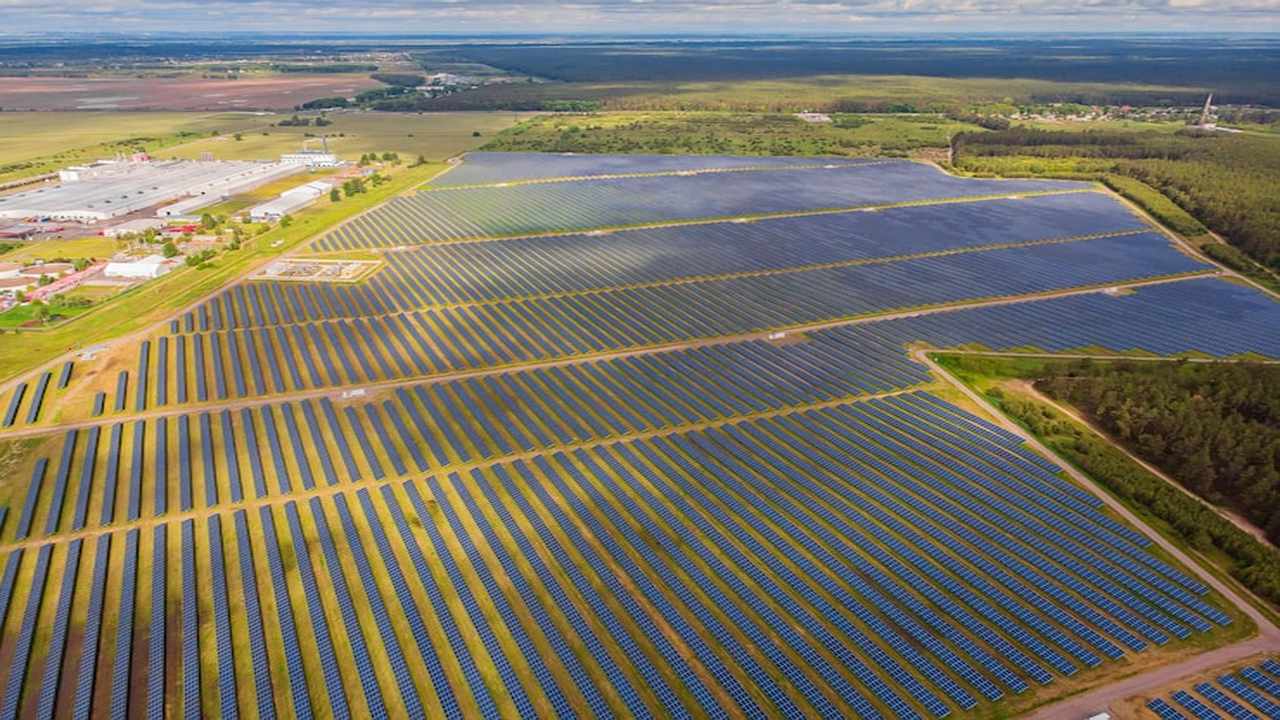
 In a groundbreaking partnership, Case IH and TIM have revolutionized agribusiness, achieving a record harvest and cost reduction exceeding R$1 million. The 2024/25 season showcased exceptional results, with a staggering 14,054 tons produced at an average productivity of 75 bags per hectare. Surpassing regional, state, and national averages by significant margins, this collaboration has not only boosted productivity but also spearheaded the adoption of Regenerative Agriculture practices. By integrating cutting-edge technologies like XactPlanting, FieldXplorer, and FarmXtend, the Case IH Connected Farm has set a new standard for innovation and sustainability in the industry. Moreover, the substantial 23.6% reduction in carbon emissions per bag of soybeans underscores the tangible environmental benefits of this transformative initiative. Read on to delve into the full story of this remarkable success.
The Impact of Technological Integration on Productivity
The partnership between Case IH and TIM has showcased a remarkable transformation in agribusiness productivity through the integration of cutting-edge technologies. By leveraging solutions like XactPlanting, FieldXplorer, and FarmXtend, the Case IH Connected Farm has not only achieved a record harvest but has also surpassed productivity benchmarks at local, state, and national levels. The use of intelligent planting control and real-time weather data provided by these technologies has enabled a significant increase in operational efficiency, leading to a 19% higher productivity compared to the region and a notable 27% increase above the Brazilian average. This strategic integration of technology underscores the crucial role it plays in driving sustainable growth and competitive advantage in the agricultural sector.
Advancing Sustainable Practices Through Regenerative Agriculture
Beyond enhancing productivity, the collaboration between Case IH and TIM has also spearheaded the adoption of Regenerative Agriculture practices. By incorporating technologies that focus on soil restoration, emission reduction, and operational efficiency, the project has set a new standard for sustainable farming practices. The shift towards Regenerative Agriculture not only benefits the environment by reducing carbon emissions but also enhances soil health and biodiversity, ensuring the long-term viability of agricultural operations. This commitment to sustainability reflects a broader industry trend towards ethical sourcing and environmental stewardship, positioning companies like CNH as leaders in driving positive change within global supply chains.
Driving Environmental Impact Reduction and Cost Savings
One of the most significant outcomes of the partnership between Case IH and TIM is the substantial reduction in carbon emissions per unit of production. The comparison between the 23/24 and 24/25 harvests revealed a notable 23.6% decrease in tons of CO2e per bag of soybeans, highlighting the tangible environmental benefits of integrating advanced technologies in agricultural practices. This reduction not only contributes to mitigating climate change but also presents cost-saving opportunities for companies operating in the agribusiness sector. By optimizing resource use and minimizing environmental impact, organizations can achieve a dual benefit of sustainability and financial efficiency, aligning with the growing demand for transparent and eco-conscious supply chains.
Enhancing Operational Resilience Through Data-Driven Decision-Making
The success of the Case IH Connected Farm project underscores the critical role of data-driven decision-making in enhancing operational resilience and performance in agribusiness. By utilizing technologies like FieldXplorer for aerial image mapping and monitoring, companies can access real-time, localized data that enables proactive decision-making and risk management. This strategic use of data not only optimizes resource allocation and crop management but also enhances overall operational efficiency and adaptability to changing market conditions. As companies navigate an increasingly complex and volatile business environment, the ability to harness data for informed decision-making becomes a key differentiator in driving sustainable growth and competitive advantage.
Fostering Innovation and Collaboration for Industry Transformation
The collaboration between Case IH and TIM represents a paradigm shift in the agribusiness sector, emphasizing the importance of innovation and collaboration in driving industry transformation. By co-creating solutions that combine technological advancements with sustainable practices, companies can not only achieve operational excellence but also contribute to broader societal and environmental goals. This collaborative approach fosters a culture of innovation, knowledge sharing, and continuous improvement, setting a precedent for future partnerships within the industry. As companies strive to meet evolving consumer expectations and regulatory requirements, fostering a culture of innovation and collaboration will be essential in driving positive change and ensuring long-term business success.
Conclusion
The groundbreaking partnership between Case IH and TIM has not only redefined agribusiness productivity but also set a new standard for sustainability and innovation in the industry. By integrating cutting-edge technologies and spearheading Regenerative Agriculture practices, this collaboration showcases the power of data-driven decision-making in driving operational resilience and environmental impact reduction. As companies worldwide strive for ethical sourcing and transparency across supply chains, the success story of Case IH Connected Farm serves as a compelling example of how collaboration, innovation, and sustainability can pave the way for a more resilient and environmentally conscious future.