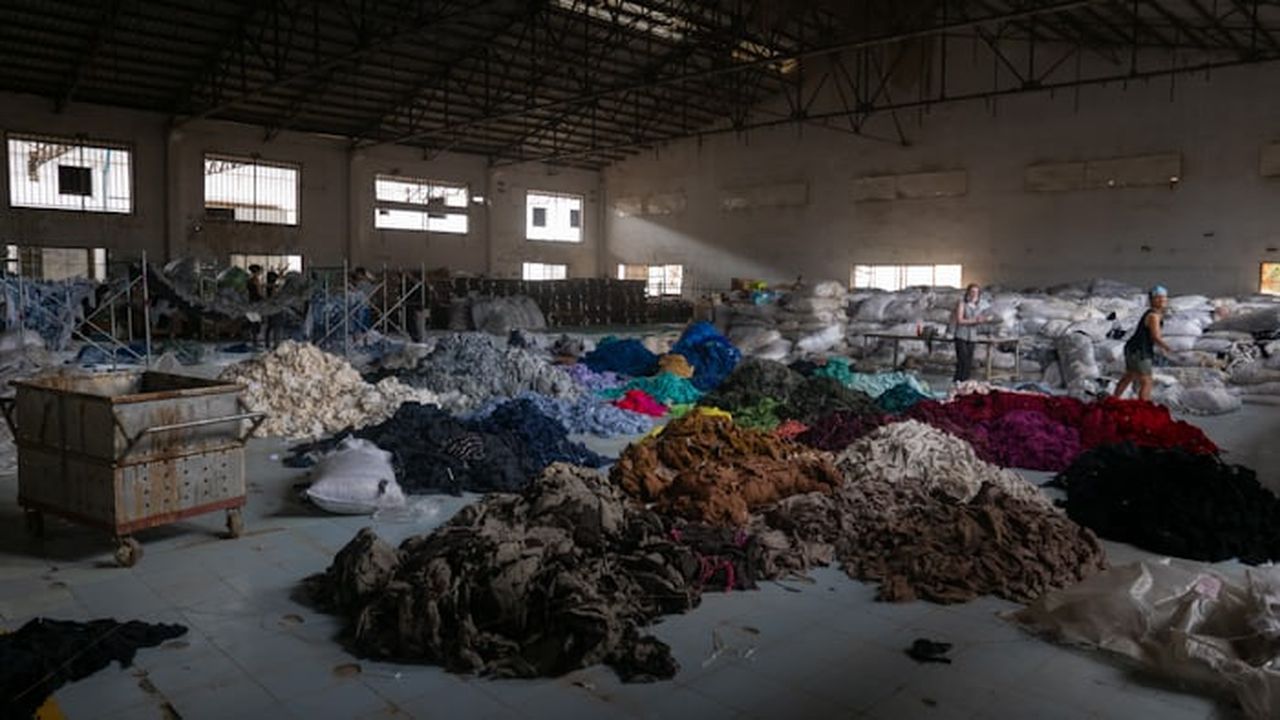
 In a bold move towards sustainable fashion, Circ is revolutionizing textile recycling with its Fiber Club expansion, attracting prominent brands like Madewell, Reformation, and C&A. This initiative aims to overcome industry barriers by offering a solution to minimum order quantities and pricing challenges, paving the way for the widespread adoption of circular materials. Through strategic partnerships with key players like Lenzing and Linz Textil, Circ is driving a paradigm shift in the fashion industry towards a more sustainable and transparent supply chain.
Sustainability Drive in Fashion Industry
The fashion industry is witnessing a significant shift towards sustainability, with initiatives like Circ's Fiber Club leading the charge. By attracting renowned brands such as Madewell, Reformation, and C&A, this program is not only addressing the pressing need to reduce waste but also promoting the use of better materials. The participation of these brands underscores a shared commitment to breaking away from the conventional linear model of production and embracing circularity. Through collaborative efforts with key partners like Lenzing and Linz Textil, Circ is not just offering a solution to minimum order quantity challenges but is also paving the way for a more sustainable and transparent supply chain in the fashion sector.
Collaboration for Scale and Impact
The success of initiatives like the Fiber Club hinges on collaboration and scale. By pooling purchasing power and supply chain networks, brands like Reformation are able to aggregate demand across multiple entities, thereby accelerating the integration of next-gen and recycled-content fibers into their material portfolios. Moreover, the involvement of supply partners like Linz Textil highlights the importance of strategic partnerships in advancing circularity. Companies like Bestseller and Eileen Fisher, who were part of the initial cohort, continue to show support for the expanded program, emphasizing the need for broader market access and reduced operational complexity through increased partnerships and collaboration.
Commercializing Circular Materials
The transition towards a circular economy in textiles necessitates a move beyond experimentation towards commercialization. Companies like Everlane and Zalando recognize the critical role of pre-competitive collaboration in scaling textile-to-textile recycling. As a founding member of the Fiber Club, Zalando's commitment to driving the adoption of circular materials underscores the importance of collective action in transforming the industry. The expansion of the Fiber Club to include new brands like Madewell and C&A marks a significant milestone in the journey towards making textile-to-textile recycling a commercial reality, rather than just a pilot project.
Driving Innovation and Market Access
Innovation and market access are key drivers behind the continued success of initiatives like the Fiber Club. Brands like Everlane view the inclusion of more partners as a means to unlock broader market access and streamline operations. Similarly, companies like Zalando emphasize the importance of scaling textile-to-textile materials through collaborative efforts that transcend individual brand interests. The strategic partnerships formed within the Fiber Club not only facilitate the integration of circular materials into existing supply chains but also set a precedent for future industry practices focused on sustainability, ethical sourcing, and transparency.
Conclusion
As Circ spearheads a sustainable revolution in the fashion industry through its innovative Fiber Club expansion, the collaboration with industry giants like Madewell, Reformation, and C&A underscores a pivotal shift towards circularity and transparency in global supply chains. With strategic partnerships with key players such as Lenzing and Linz Textil, Circ is not only overcoming traditional barriers but also paving the way for a future where commercializing circular materials is not just a vision but a reality. The success of this initiative hinges on collective action, emphasizing the importance of collaboration, scale, and innovation in driving sustainable practices. As we witness the transformation of textile recycling from a pilot project to a commercial endeavor, it prompts us to reflect on the power of partnerships and shared commitments in shaping a more ethical and transparent fashion industry.