

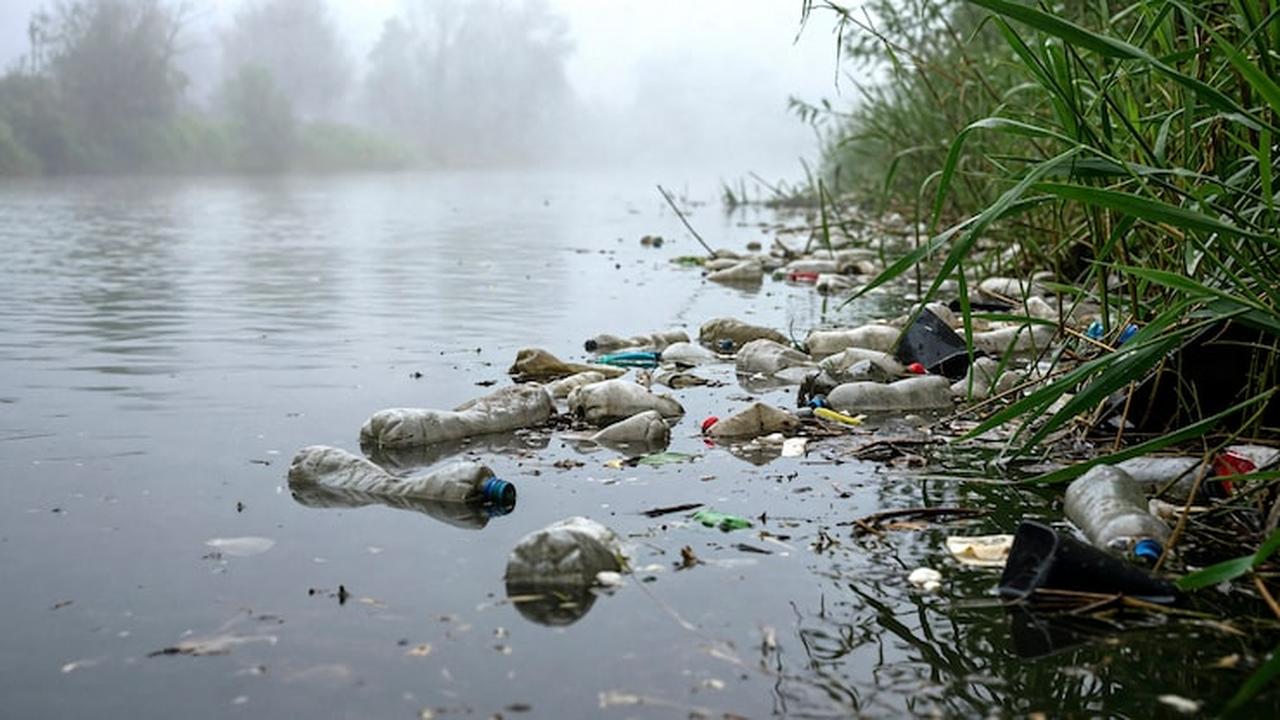
 Water scarcity in textile production is not just an environmental issue—it's a social crisis. With 2.2 billion people lacking access to safe drinking water globally, the industry's impact on local communities is profound. As regulations like the EU's CSRD and emerging laws in Asia push for greater accountability, the need for water stewardship in supply chains becomes clear. However, compliance alone falls short. Companies must embrace a holistic approach, recognizing water as a shared resource. At drip by drip, we advocate for voluntary action, partnering with brands to co-create tailored water solutions that deliver measurable social and environmental benefits. Join us in redefining sustainability through meaningful water stewardship initiatives.
The Intersection of Environmental and Social Impact
The textile industry's heavy reliance on water for production processes poses a significant environmental challenge, with implications reaching far beyond ecological concerns. The discharge of untreated wastewater into local water sources not only contributes to pollution but also directly affects the well-being of communities and workers who rely on these water bodies for their daily needs. This dual impact underscores the urgent need for companies to adopt water stewardship practices that not only mitigate environmental harm but also address the social dimensions of water scarcity and pollution. Companies like drip by drip are advocating for a shift towards a more holistic approach that recognizes water as a shared resource, emphasizing the importance of engaging with stakeholders beyond mere compliance to regulations.
The Regulatory Landscape and Corporate Accountability
As legislative frameworks worldwide evolve to enhance sustainability reporting and human rights and environmental due diligence (HREDD), companies are facing increasing pressure to demonstrate greater accountability for their water-related impacts. From the EU's CSRD to emerging regulations in Asian countries like Thailand, South Korea, and Japan, the regulatory environment is pushing for more stringent measures to address water stewardship in supply chains. However, the effectiveness of these regulations remains uncertain, as highlighted by the challenges posed by inconsistent enforcement and political pressures. Companies must navigate this complex regulatory landscape by not only meeting mandatory requirements but also by proactively engaging in voluntary actions that go beyond compliance. drip by drip exemplifies this proactive stance by partnering with brands to co-create tailored water solutions that deliver tangible social and environmental benefits, showcasing the importance of voluntary initiatives in driving meaningful change.
The Business Case for Water Stewardship
Beyond regulatory compliance, integrating water stewardship practices into business operations presents a compelling business case for companies in the textile industry. Water-related risks such as flooding, scarcity, and pollution not only disrupt supply chains but also increase operational costs and jeopardize long-term business sustainability. Relocating production as a quick fix is not a viable solution, emphasizing the need for companies to confront these risks wherever they operate. By embracing water stewardship as a strategic imperative, companies can not only enhance their resilience to water-related challenges but also create shared value for workers, communities, ecosystems, and their own business operations. Collaborative initiatives like those facilitated by drip by drip demonstrate how investing in local water solutions can yield measurable benefits while supporting sustainability reporting and HREDD practices.
The Role of Inherent Motivation in Effective HREDD
While regulatory frameworks provide a necessary foundation for driving corporate accountability, the true effectiveness of human rights and environmental due diligence depends on a company's intrinsic motivation to enact meaningful change. Merely viewing HREDD as a mandatory requirement or additional expense limits its potential impact. For HREDD to be truly effective, it must be ingrained in a company's culture and ethos, reflecting a genuine commitment to responsibility towards people and the environment. Encouraging voluntary action through regulations can complement mandatory requirements, but genuine progress hinges on companies embracing a sense of accountability that transcends mere compliance. drip by drip advocates for this deeper commitment by fostering a culture of water stewardship that goes beyond profitability considerations, emphasizing the importance of companies recognizing their role in addressing the social and environmental impacts of their operations.
Conclusion
In the realm of textile production, the intertwined challenges of water scarcity and social impact demand a paradigm shift towards holistic water stewardship. As drip by drip exemplifies, compliance is just the tip of the iceberg; true sustainability lies in recognizing water as a shared resource and engaging in voluntary, tailored solutions that yield tangible benefits. The evolving regulatory landscape underscores the urgency for companies to proactively address water-related risks, not merely for compliance but for resilience and shared value creation. Let us heed the call for meaningful action, embracing a culture of accountability that transcends profit motives and redefines sustainability through impactful water stewardship initiatives.