
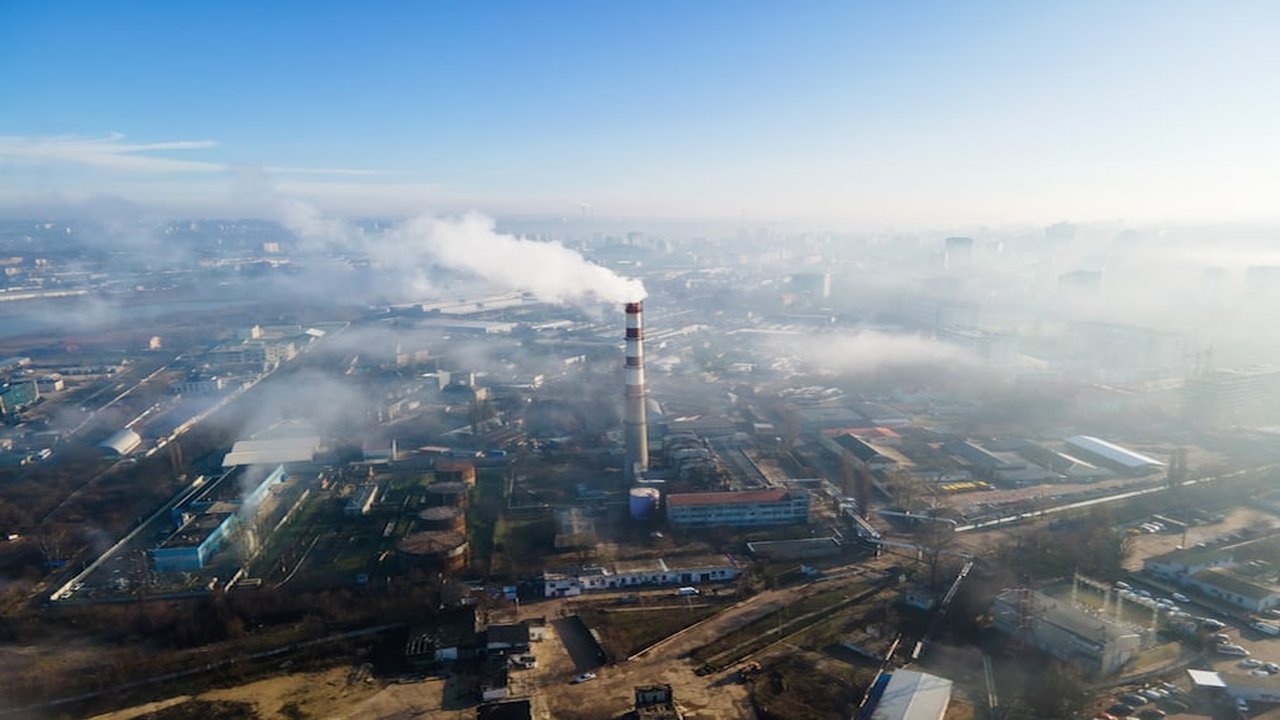
 In the heart of India's bustling city of Bhubaneswar, Epic Group's groundbreaking factory is revolutionizing sustainability in apparel manufacturing. With a focus on slashing emissions and enhancing worker well-being, this facility showcases the power of innovative high-temperature industrial heat pumps. As the fashion industry grapples with decarbonization challenges, Epic's pioneering approach offers a glimpse into a future where electrification could reshape global supply chains.
The Role of High-Temperature Heat Pumps in Decarbonizing Fashion Supply Chains
Epic Group's innovative use of high-temperature industrial heat pumps in their Bhubaneswar factory marks a significant step towards decarbonizing the fashion industry. By generating heat at temperatures as high as 120 degrees Celsius, these heat pumps offer a more energy-efficient alternative to traditional fossil fuel-powered boilers. The adoption of such technology not only reduces greenhouse gas emissions but also sets a precedent for other manufacturers in the sector. Companies like Walmart and New Balance can learn from Epic's pioneering approach and consider integrating similar sustainable solutions into their supply chains to align with ESG goals.
The transition to electrification, facilitated by technologies like heat pumps, presents a complex challenge for the fashion industry. While the efficiency of heat pumps makes them an attractive option, the high initial capital costs and technical complexities hinder widespread adoption. New Balance, known for its commitment to sustainability, could leverage insights from Epic's factory to explore how such technologies can be integrated into their manufacturing processes. Collaborative efforts among industry players, certifiers, and buyers are essential to drive the scalability of sustainable practices and ensure a more transparent and ethical supply chain.
The Need for Diversified Decarbonization Strategies in Fashion Manufacturing
While heat pumps offer a promising avenue for decarbonization, they are not a one-size-fits-all solution for the fashion industry. Companies like Walmart must recognize the importance of diversifying decarbonization strategies to address the unique challenges faced in different regions and manufacturing processes. Patagonia's approach of exploring various electrification technologies, including electric boilers and thermal energy storage, exemplifies the necessity of a portfolio of solutions tailored to specific contexts. By embracing a diversified strategy, companies can navigate the complexities of decarbonization more effectively and drive meaningful progress towards sustainability goals.
The Financial Implications of Electrification and Sustainable Manufacturing Practices
As companies navigate the transition towards electrification and sustainable manufacturing practices, the financial implications cannot be overlooked. The significant capital costs associated with implementing technologies like high-temperature heat pumps pose a challenge for many suppliers, especially in regions where policy incentives and financial support are lacking. Walmart and other industry giants need to consider innovative financing models, such as grants, low-interest loans, and long-term commitments, to support suppliers in adopting sustainable solutions. By sharing the financial burden and investing in long-term partnerships, companies can accelerate the shift towards a more sustainable and transparent global supply chain.
Innovation, Collaboration, and the Future of Sustainable Fashion Manufacturing
Epic Group's factory in Bhubaneswar serves as a testament to the power of innovation and collaboration in driving sustainability within the fashion industry. By partnering with suppliers like TriGen and Tonello, Epic has demonstrated how collaborative efforts can lead to groundbreaking advancements in sustainable manufacturing practices. New Balance can draw inspiration from this collaborative approach and explore partnerships with technology providers and sustainability experts to enhance their own ESG initiatives. Embracing a culture of innovation and collaboration will be paramount in shaping the future of sustainable fashion manufacturing and fostering a more transparent and ethical global supply chain.
Conclusion
Epic Group's innovative use of high-temperature industrial heat pumps in Bhubaneswar sets a new standard for sustainability in fashion manufacturing. As the industry navigates decarbonization challenges, Walmart and New Balance can draw inspiration from Epic's pioneering approach to drive ESG goals. Diversified decarbonization strategies, innovative financing models, and collaborative partnerships are key to accelerating progress towards a transparent and ethical global supply chain. Embracing electrification and sustainable practices is not just a choice but a strategic imperative for companies looking to shape the future of sustainable fashion manufacturing and lead the industry towards a greener, more responsible future.