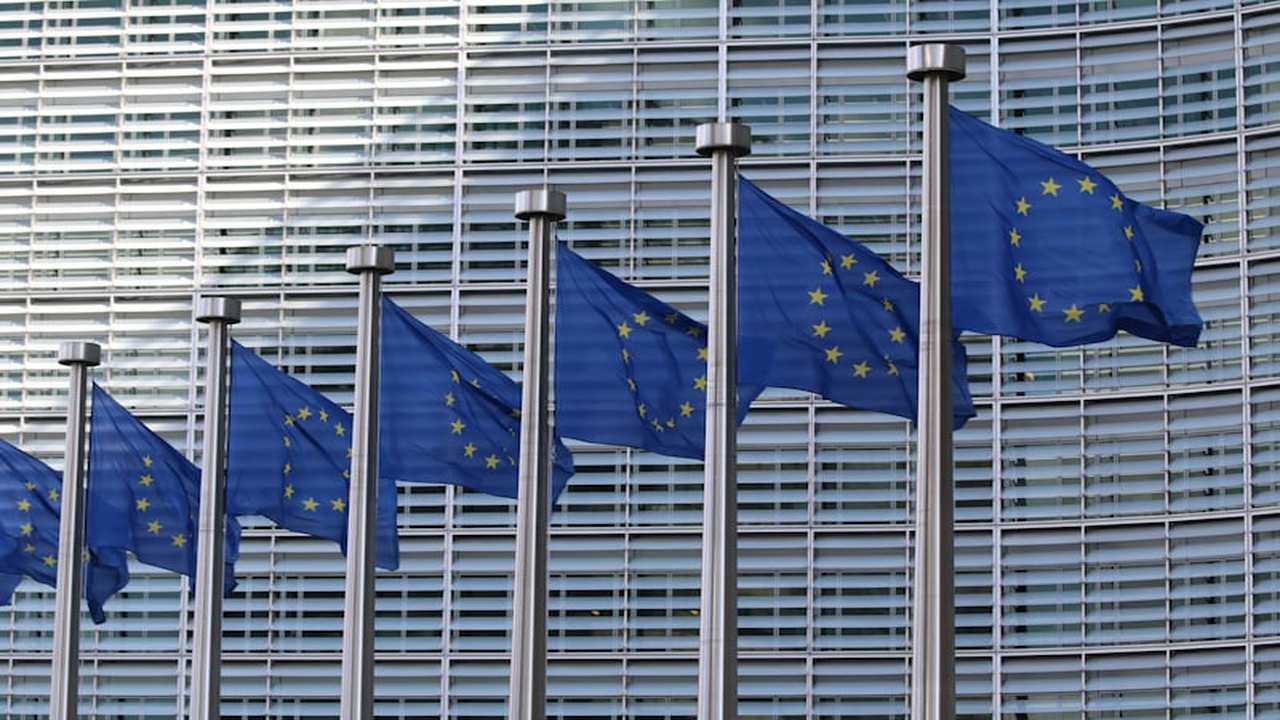
 In a scathing assessment, the European Union's ombudswoman has accused the European Commission of "maladministration" in its rush to simplify sustainability legislation. By sidestepping key regulatory procedures, the Commission's push for a streamlined approach to corporate accountability has sparked controversy and raised concerns over transparency and due process. As criticisms mount and calls for accountability grow louder, the implications of these actions on environmental and human rights protections remain at the forefront of the debate.
Transparency and Due Process Concerns
The accusations of "maladministration" leveled against the European Commission by the EU's ombudswoman highlight significant concerns regarding transparency and due process in the simplification of sustainability legislation. By allegedly bypassing key regulatory procedures and rushing through legislative proposals, the Commission has raised valid questions about the accountability and openness of its decision-making processes. The lack of adequate consultation time provided to departments for critical reviews, as noted by the ombudswoman, underscores the need for a more transparent and inclusive approach to policymaking. This situation not only risks undermining the credibility of the legislative process but also threatens the integrity of the sustainability laws meant to hold big businesses accountable for their social and environmental impacts.
The findings by the ombudswoman have not only drawn attention to the procedural shortcomings within the European Commission but have also sparked reactions from civil society organizations like the Clean Clothes Campaign. These groups have emphasized the importance of upholding democratic principles and ensuring that decisions impacting environmental and human rights protections are made through a rigorous and consultative process. The call for greater transparency and adherence to established regulatory frameworks is crucial in maintaining public trust and fostering a regulatory environment that truly serves the interests of all stakeholders involved.
Impact on Environmental and Human Rights Protections
The controversy surrounding the European Commission's handling of sustainability legislation has significant implications for environmental and human rights protections. As criticisms mount against the rushed approach taken by the Commission, concerns are being raised about the potential dilution of critical safeguards aimed at mitigating the social and environmental impacts of big businesses. The push for a streamlined regulatory framework, as seen in the omnibus bill, has sparked fears that essential measures could be compromised in favor of expediency, potentially undermining the progress made in advancing sustainability goals.
The response from non-profit organizations, including the Clean Clothes Campaign, underscores the importance of upholding environmental and human rights standards in legislative processes. The emphasis on conducting a full impact assessment to ensure that any proposed changes align with EU climate goals reflects a commitment to evidence-based policymaking that prioritizes the long-term well-being of both people and the planet. The outcome of the ongoing omnibus talks will be critical in determining whether the Commission's proposals adequately address the pressing challenges related to climate change and sustainable development.
Stakeholder Engagement and Consultation Processes
The criticism directed at the European Commission highlights the need for enhanced stakeholder engagement and consultation processes in the development of sustainability legislation. The ombudswoman's remarks regarding the limited time provided for departmental consultations underscore the importance of fostering a more collaborative and participatory approach to policy formulation. By ensuring that all relevant stakeholders have sufficient opportunity to provide input and feedback on proposed legislative changes, the Commission can enhance the legitimacy and effectiveness of its decision-making processes.
The joint statement issued by civil society organizations, including the Clean Clothes Campaign, emphasizes the significance of broad consultations and transparent decision-making in upholding democratic values and safeguarding environmental and human rights protections. The call for a more inclusive and evidence-based approach to lawmaking reflects a growing demand for greater accountability and responsiveness from policymakers. By incorporating diverse perspectives and expertise into the legislative process, the Commission can strengthen the quality and legitimacy of its sustainability initiatives, ultimately leading to more robust and impactful outcomes.
Regulatory Impact on Business Accountability
The ongoing debate surrounding the European Commission's sustainability simplification agenda raises critical questions about the regulatory impact on business accountability. The proposed changes to corporate sustainability due diligence directives and reporting requirements have significant implications for how businesses are held responsible for their social and environmental impacts. The potential for deregulation, as highlighted by critics, poses challenges to maintaining a level playing field and ensuring that companies adhere to ethical sourcing practices and sustainability standards.
The response from business groups and civil society organizations, including the Clean Clothes Campaign, underscores the importance of striking a balance between regulatory agility and maintaining robust standards for corporate accountability. The push for more stringent regulations that align with sustainability goals while also promoting business transparency and responsibility reflects a broader shift towards a more ethical and sustainable business environment. As the European Commission navigates the complexities of legislative reform, the need to prioritize accountability and transparency in corporate practices remains paramount for fostering trust and driving positive social and environmental outcomes.
Conclusion
The recent scrutiny faced by the European Commission underscores the critical importance of transparency, due process, and stakeholder engagement in shaping sustainable legislation. As the debate intensifies over the potential impact on environmental and human rights protections, it is evident that a balance must be struck between regulatory agility and upholding robust standards for corporate accountability. The calls for inclusive decision-making processes from organizations like the Clean Clothes Campaign highlight the need for policymakers to prioritize accountability and transparency, ultimately driving positive social and environmental outcomes. Moving forward, a collaborative and evidence-based approach to lawmaking will be essential in ensuring that sustainability initiatives align with the EU's climate goals and serve the interests of all stakeholders involved.