
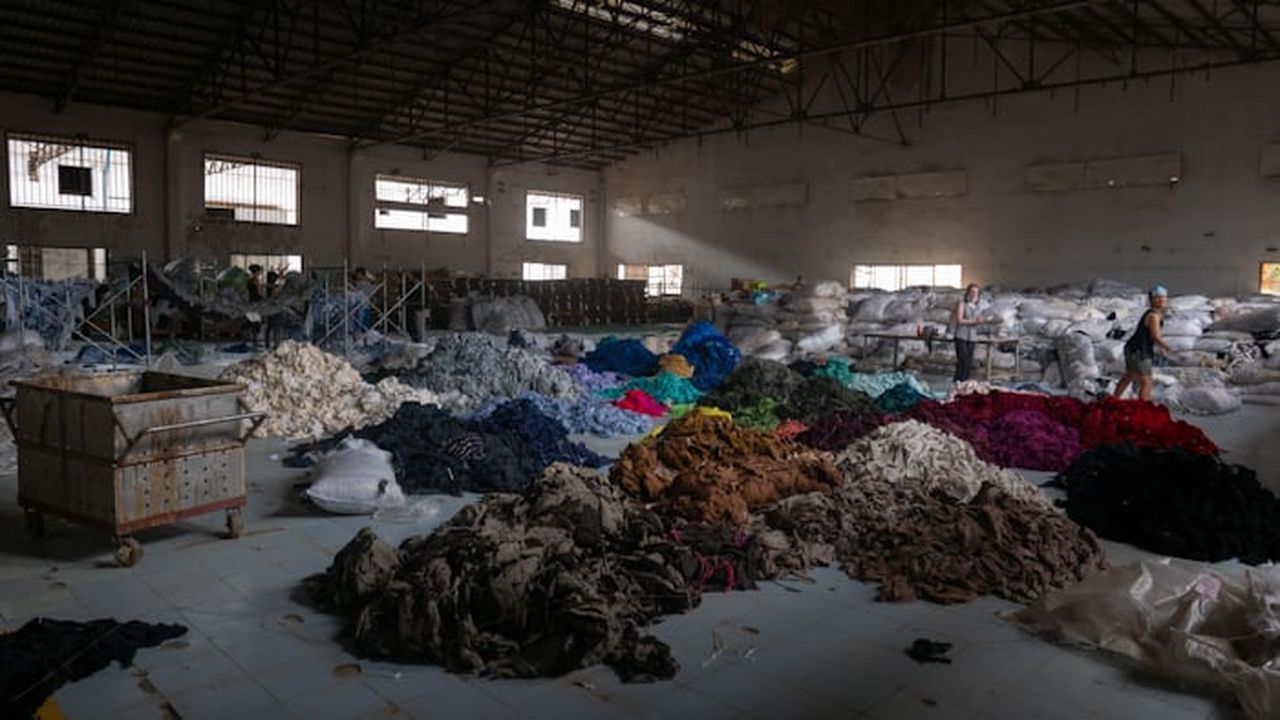
 In 2025, the fashion industry faced a pivotal moment in material innovation. Despite the push for sustainability, a startling revelation emerged: the rise of recycled polyester has inadvertently worsened microplastic pollution. As the industry grapples with the consequences, a shift towards recognizing the enduring value of cotton as a circular solution has gained momentum. Meanwhile, traceability technologies like Haelixa are setting a new standard for verifying recycled content, highlighting the growing importance of transparency in supply chains. This year has been a turning point for fashion's favorite materials, challenging the industry to rethink its approach to sustainability and ethical sourcing.
The Impact of Recycled Polyester on Microplastic Pollution
In 2025, the fashion industry faced a reckoning with the unintended consequences of its shift towards recycled polyester. Despite being marketed as a sustainable alternative, a study by the Microplastic Research Group at Çukurova University revealed that garments from major brands like Adidas, H&M, and Zara actually contribute significantly to microplastic pollution. The investigation found that recycled polyester sheds more microfibers than its virgin counterpart, exacerbating the environmental issue. This revelation challenges the industry's narrative around sustainability and underscores the importance of truly understanding the environmental footprint of materials, beyond surface-level claims.
The findings from the study conducted by the Changing Markets Foundation highlight a critical need for greater transparency and accountability in material sourcing. As the industry grapples with the implications of these revelations, companies like Adidas and H&M are under pressure to reassess their sustainability strategies and address the unintended consequences of their material choices. Moving forward, a more holistic approach to sustainability that considers the entire lifecycle of materials, including their impact on the environment, will be crucial for driving meaningful change in the fashion industry.
The Resurgence of Cotton as a Circular Solution
Amidst concerns over the environmental impact of synthetic fibers like polyester, the value of cotton as a circular and sustainable material has come to the forefront in 2025. Organizations like the Secondary Materials and Recycled Textiles Association (SMART) are advocating for a reevaluation of the industry's reliance on synthetic fibers, emphasizing the enduring value and circularity of cotton. As the price of virgin cotton hits historic lows, the industry is being urged to recognize the intrinsic qualities of cotton that support circularity, such as its durability, biodegradability, and recyclability. This shift in perspective presents an opportunity for brands like Nike and H&M to pivot towards more sustainable material choices that align with circular economy principles.
The insights from Textile Exchange further underscore the importance of reevaluating material choices in light of sustainability goals. As the market share of recycled polyester declines despite an increase in volumes, the data signals a growing awareness of the limitations of certain sustainable solutions. Brands that prioritize materials like cotton, which retain value and offer genuine circularity, are better positioned to meet evolving consumer expectations around sustainability and ethical sourcing. By embracing cotton as a smart fiber for the future, companies can align their strategies with both economic and environmental imperatives.
The Role of Traceability Technologies in Ensuring Transparency
In an era where transparency is paramount, traceability technologies like those offered by Haelixa are playing a crucial role in verifying the authenticity of recycled content in textiles. By partnering with companies like New Focus Textiles to implement DNA-marking technology, Haelixa is setting a new standard for ensuring the traceability and integrity of recycled materials. This level of forensic verification not only enhances consumer trust but also holds manufacturers accountable for their sustainability claims. The shift towards verifiable proof of recycled content signals a broader industry trend towards greater transparency in global supply chains.
The adoption of traceability solutions by companies like New Focus Textiles represents a proactive approach to addressing the challenges of greenwashing and mislabeling in the industry. By providing scientific evidence of recycled fiber identity, manufacturers can instill confidence in consumers and buyers regarding the sustainability credentials of their products. As demands for transparency continue to grow, traceability technologies are poised to become a standard requirement for companies looking to demonstrate their commitment to ethical sourcing and environmental responsibility.
Conclusion
The fashion industry stands at a pivotal crossroads in 2025, grappling with the unintended environmental consequences of recycled polyester while rediscovering the circular potential of cotton. As Adidas, H&M, and Zara reassess their sustainability strategies, the resurgence of cotton as a durable and recyclable solution gains momentum. Embracing traceability technologies like those offered by Haelixa and New Focus Textiles is not just a trend but a necessity for transparency and accountability. This year marks a turning point, challenging the industry to prioritize genuine sustainability over greenwashing and to rethink material choices with a circular economy mindset. The future of fashion lies in embracing ethical sourcing, transparency, and a renewed commitment to lasting environmental impact.