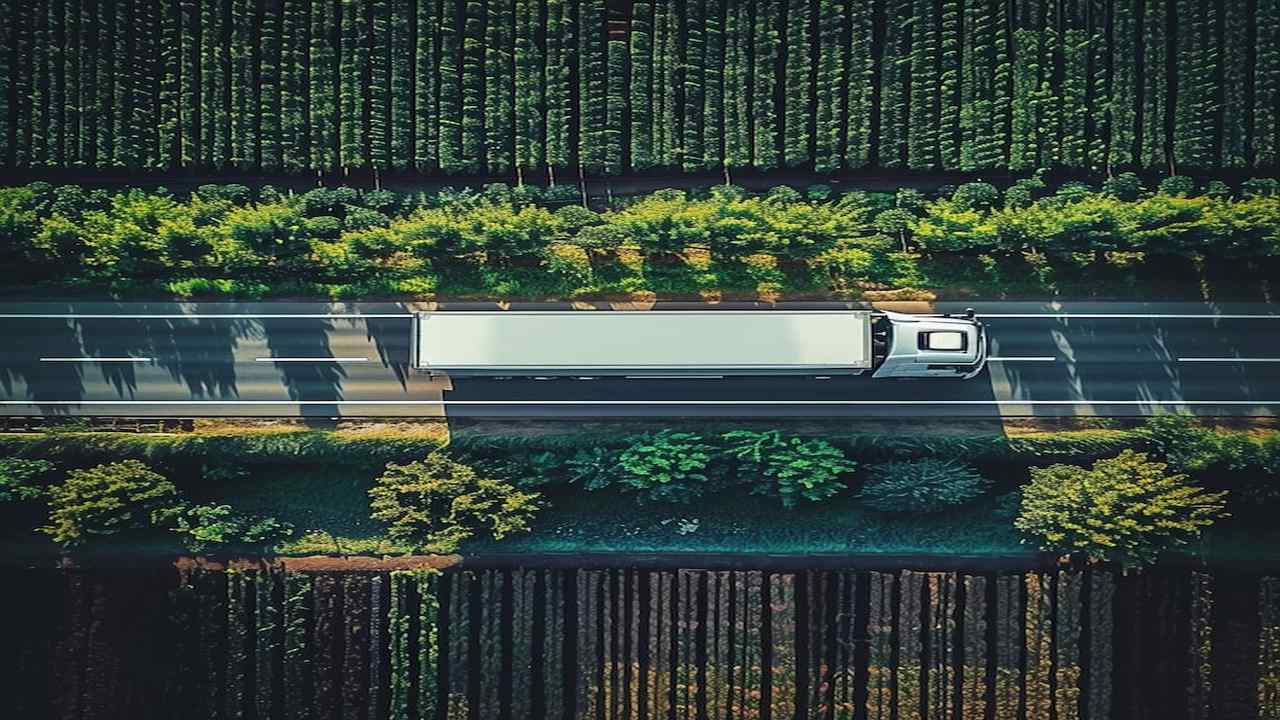
 In a groundbreaking revelation, FedEx unveils the critical role of sustainability in APAC supply chains, underscoring a seismic shift towards eco-conscious practices. With 80% of SMEs in the region prioritizing environmental concerns in trade, the survey signals a transformative trend. As consumer demand for sustainability grows exponentially, businesses are compelled to integrate eco-friendly operations to stay competitive. Join us as we delve into FedEx's innovative strategies and investments in sustainable logistics, reshaping the landscape of cross-border trade in the Asia Pacific region.
Sustainability as a Competitive Differentiator
The survey conducted by FedEx in the Asia Pacific region highlights a significant shift in the business landscape, with sustainability emerging as a key driver of competitiveness. The data reveals that 80% of SMEs in APAC consider environmental concerns when engaging in cross-border trade, indicating a growing awareness of the importance of sustainability in business operations. This trend is particularly pronounced in Southeast Asian markets like Malaysia and Indonesia, where over 55% of SMEs prioritize sustainability in their supply chain decisions. As consumer preferences increasingly favor eco-friendly practices, companies are compelled to integrate sustainability into their operations to remain relevant and competitive in the market. FedEx's commitment to achieving carbon-neutral operations globally by 2040 underscores the strategic importance of sustainability in driving growth and differentiation in the business landscape.
The emphasis on sustainability is no longer just a moral obligation but a strategic imperative for companies looking to thrive in a rapidly evolving marketplace. Consumers in the Asia Pacific region are actively pushing businesses to adopt eco-friendly practices, with 84% of APAC consumers demanding sustainable options for online shopping. This growing consumer awareness is reshaping purchasing behaviors, with environmental responsibility becoming a key differentiator for businesses. FedEx's regional president, Salil Chari, aptly notes that sustainability is transitioning from a mere compliance requirement to a catalyst for growth and resilience in global commerce. By aligning with consumer values and integrating sustainable practices into their operations, companies can enhance their brand reputation, attract a broader customer base, and drive long-term business success.
Leveraging Technology for Sustainable Logistics
In response to the escalating demand for sustainable logistics solutions, FedEx is leveraging cutting-edge technologies to reduce its environmental footprint while enhancing operational efficiency. One notable example is the company's AI-powered Stops Sequencing tool, which optimizes delivery routes in real time based on package volume and customer specifications. By intelligently planning delivery sequences and minimizing unnecessary mileage, this tool has the potential to significantly reduce carbon emissions while streamlining operations. Additionally, FedEx's Sustainability Insights platform provides customers with transparent data on their environmental impact, empowering them to make informed decisions that align with their sustainability goals. These technological innovations not only drive environmental sustainability but also position FedEx as a leader in providing smarter, more sustainable shipping solutions to its customers.
As the global supply chain landscape evolves, companies must reimagine their operations to align with sustainability goals and meet the changing expectations of consumers and regulators. FedEx's strategic investments in sustainable aviation fuel (SAF) and fleet electrification demonstrate a proactive approach to reducing emissions across its operations. By introducing electric vehicles in key APAC markets and implementing sustainable aviation practices at major airports, FedEx is not only reducing its carbon footprint but also setting a precedent for sustainable logistics in the industry. These initiatives not only contribute to environmental conservation but also enhance operational efficiency, demonstrating that sustainability can be a driver of innovation and competitive advantage in the business world.
Conclusion
FedEx's groundbreaking insights into sustainability's pivotal role in APAC supply chains underscore a monumental shift towards eco-conscious practices driving competitiveness. As consumer demand for sustainability skyrockets, businesses face a strategic imperative to integrate eco-friendly operations. FedEx's innovative sustainable logistics strategies not only reshape cross-border trade in the Asia Pacific region but also exemplify how leveraging technology and proactive investments can lead to a greener, more efficient future. This transformative journey emphasizes that sustainability is no longer a choice but a necessity for businesses aiming to thrive in a conscientious marketplace, urging a paradigm shift towards responsible and transparent supply chains.