
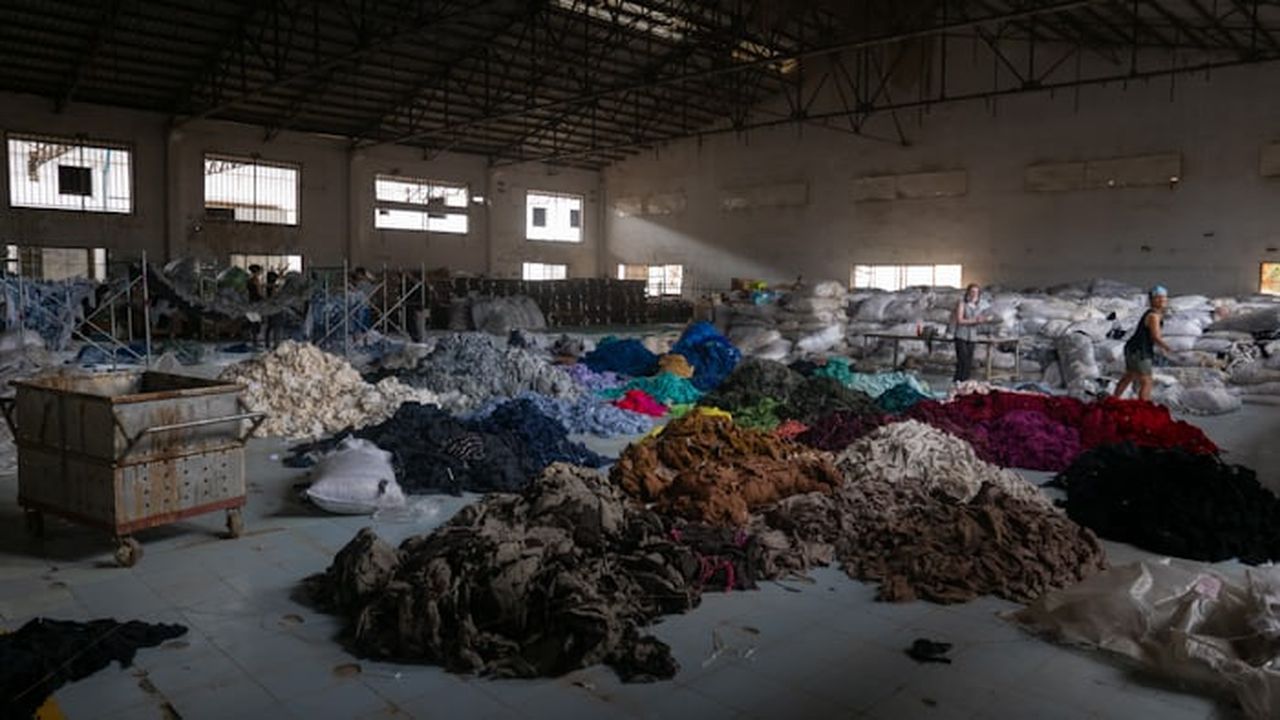
 With sustainability at the forefront of the global textile sector, the Global Fashion Agenda unveils the latest update to the 2025 GFA Policy Matrix: European Union Edition. Delving into a myriad of policies, this resource serves as a compass for stakeholders navigating the intricate landscape of Europa's push towards a circular economy. From human rights to circular systems, this update encapsulates the evolving regulatory environment shaping the future of fashion. As the European Commission recalibrates ambition with economic pragmatism, companies are urged to monitor critical developments in compliance frameworks. Join us as we explore the transformative impact of these policy changes on corporate sustainability strategies.
Human Rights and Worker Safety Regulations
The Global Fashion Agenda's latest update on the 2025 GFA Policy Matrix: European Union Edition highlights a significant focus on upholding human rights and ensuring worker safety within the textile sector. The European Commission's omnibus simplification legislative package, including directives like the Corporate Sustainability Due Diligence Directive (CSDDD) and the Corporate Sustainability Reporting Directive (CSRD), reflects a strategic response to industry lobbying against regulatory burdens. These revisions aim to balance ambition with economic pragmatism, impacting corporate sustainability reporting and due diligence frameworks. As companies navigate these evolving regulations, they are urged to monitor compliance roadmaps closely to align with the changing landscape of human rights and worker safety standards in the fashion value chain.
The ongoing initiative by the European Commission represents a critical recalibration of policies to address human rights and worker safety concerns while considering the industry's economic realities. By revising foundational directives like the Green Deal, the Commission aims to streamline reporting requirements and due diligence processes, signaling a shift in the regulatory environment towards a more sustainable and transparent textile sector. Companies operating within Europa must adapt to these changes by integrating human rights and worker safety considerations into their operational frameworks, ensuring compliance with the updated legislative packages to uphold ethical sourcing practices and transparency in their supply chains.
Circular Economy Initiatives and Environmental Targets
The Global Fashion Agenda emphasizes the importance of circular systems and environmental targets in shaping the future of the textile sector within the European Union. Policies outlined in the GFA Policy Matrix: EU focus on creating a more sustainable and regenerative fashion system by improving waste management, promoting sustainable investments, and fostering industry-wide collaboration. Directives such as the EU Deforestation Regulation (EUDR) and the revised Emissions Trading System (ETS) set ambitious environmental goals to reduce greenhouse gas emissions and combat deforestation, aligning with the EU's commitment to sustainability.
Within Europa, the push towards a circular economy is evident through regulations like the Waste Shipment Regulation (WSR) and the Ecodesign for Sustainable Products Regulation (ESPR), which aim to conserve natural resources, reduce pollution, and promote sustainable resource management. The European Commission plays a pivotal role in driving these initiatives forward, with upcoming revisions to the Sustainable Finance Disclosure Regulation (SFDR) expected to further incentivize sustainable investments and align financial metrics with environmental objectives. As companies navigate these circular economy policies, they are encouraged to adopt sustainable practices, invest in innovation, and collaborate with stakeholders to accelerate the transition towards a more environmentally conscious fashion industry.
Pay Transparency and Equal Pay Regulations
The decree on "equal pay for equal work," as outlined in the EU Pay Transparency Directive, underscores the Global Fashion Agenda's commitment to promoting equitable wage structures and pay transparency within the European textile sector. This directive mandates pay transparency obligations for employers, empowering employees with information on pay levels to enforce the principle of equal pay. The focus on better wage systems aligns with the broader sustainability goals of creating a fair and inclusive working environment across the fashion value chain.
As companies within Europa navigate the implications of the EU Pay Transparency Directive, they must prioritize implementing transparent wage structures and ensuring equal pay practices to foster a more equitable workforce. The European Commission's support for pay transparency initiatives reflects a broader commitment to social sustainability and ethical labor practices within the textile industry. By complying with these regulations, companies can enhance their reputation, attract top talent, and contribute to a more socially responsible and transparent supply chain.
Conclusion
As the textile sector in the European Union undergoes a profound transformation towards sustainability and ethical sourcing, the latest update to the 2025 GFA Policy Matrix: European Union Edition by Global Fashion Agenda underscores the imperative for companies to align with evolving regulatory landscapes. From prioritizing human rights and worker safety to embracing circular economy initiatives and promoting pay transparency, the European Commission's strategic recalibration signals a shift towards a more transparent and socially responsible fashion industry. Companies operating within Europa must proactively integrate these policy changes into their sustainability strategies, fostering a culture of compliance, innovation, and collaboration to drive lasting positive change in the global supply chain ecosystem.