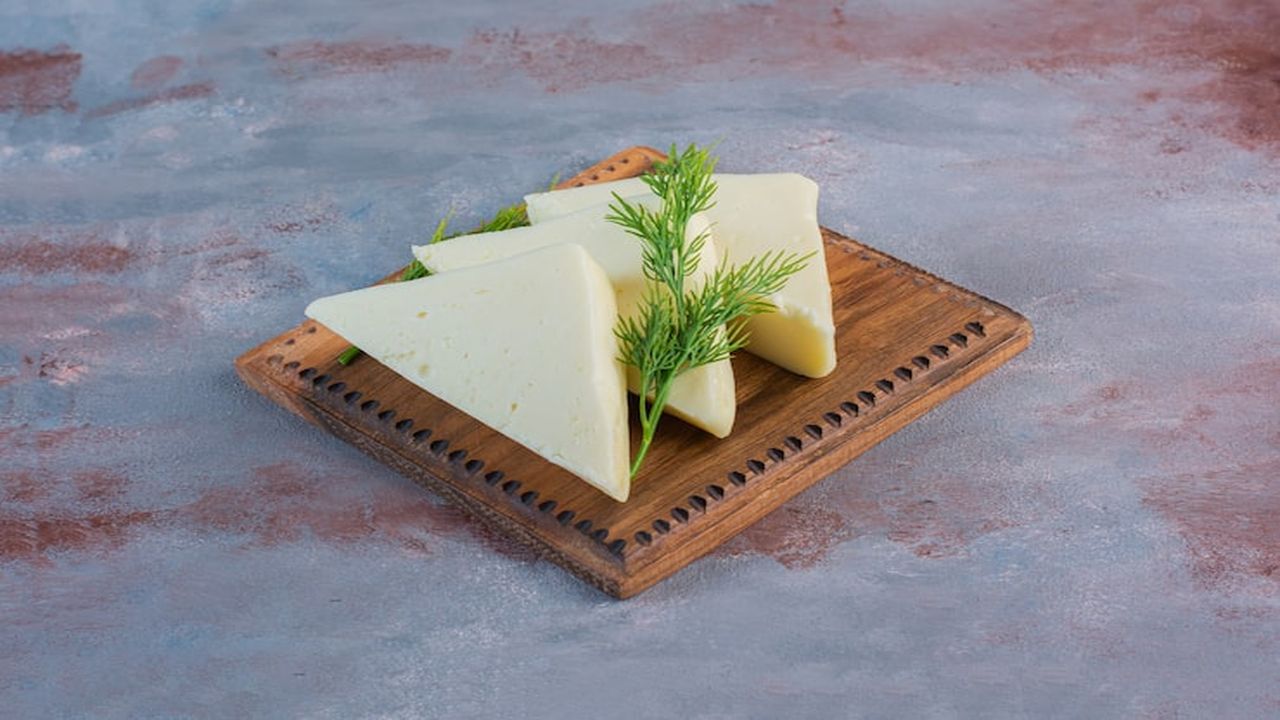
 The plant-based cheese market is set to soar to nearly $11bn by 2035, driven by evolving consumer demands for taste, functionality, and sustainability. In this article, we delve into the success story of Finland-based Mö Foods and explore how brands can win in this competitive landscape. From consumer expectations to sustainable practices, discover the key strategies shaping the future of plant-based cheese innovation.
The Evolution of Consumer Expectations
Consumer expectations in the plant-based cheese market have shifted significantly in recent years, demanding products that not only mimic the taste and texture of traditional dairy but also offer enhanced nutritional value and sustainability. As highlighted by Mö Foods, a leading player in the industry, brands must now focus on delivering a holistic experience that meets these evolving demands. This necessitates a strategic approach to innovation, where R&D is driven by consumer insights to ensure that products resonate with the target market.
Moreover, the emphasis on taste, functionality, and price competitiveness underscores the need for plant-based cheese brands to align their offerings with consumer preferences. As Mö Foods CEO Annamari Jukkola emphasizes, the modern shopper seeks products that not only cater to their dietary choices but also deliver on sensory satisfaction and value for money. By understanding and adapting to these changing expectations, brands can position themselves for success in a competitive market landscape.
The Role of Sustainability in Driving Innovation
Sustainability has emerged as a critical factor shaping the future of plant-based cheese innovation, with consumers increasingly prioritizing eco-friendly and ethically sourced products. Companies like Mö Foods are leading the way by integrating sustainable practices into their supply chain and production processes. By leveraging traditional dairy know-how while minimizing waste through innovative technologies, these brands are not only meeting consumer demand for natural foods but also appealing to a more environmentally conscious customer base.
Furthermore, the focus on sustainability extends beyond just product formulations to encompass the entire value chain. As highlighted by industry experts, a commitment to green practices not only resonates with consumers but also positions brands as responsible corporate citizens. By adopting sustainable initiatives, such as zero-waste production and locally sourced ingredients, plant-based cheese companies can differentiate themselves in a crowded market and build long-term brand loyalty.
Driving Growth Through Strategic Partnerships and Expansion
In a rapidly evolving market landscape, strategic partnerships and global expansion are key drivers of growth for plant-based cheese brands. Companies like Mö Foods are leveraging venture capital funding to fuel their expansion plans and explore licensing opportunities for their innovative production technologies. By tapping into new markets and collaborating with established players in the food industry, these brands can scale their operations and reach a wider audience of consumers seeking plant-based alternatives.
Moreover, the shift towards B2B sales in the plant-based cheese segment presents a lucrative opportunity for brands to penetrate foodservice channels and cater to a diverse range of customers. With a significant portion of plant-based cheese sales occurring in the B2B sector, companies that focus on building strong partnerships with foodservice providers can gain a competitive edge and drive revenue growth. By strategically positioning themselves in the foodservice market, plant-based cheese brands can capitalize on the growing demand for sustainable and innovative food products.
Innovation as a Driver of Competitive Advantage
Innovation lies at the heart of success for plant-based cheese brands looking to differentiate themselves in a crowded market. By prioritizing consumer-driven R&D and focusing on taste, functionality, and nutritional value, companies can create products that resonate with modern shoppers. Mö Foods' emphasis on familiar ingredients like oats not only enhances the nutritional profile of their cheese alternatives but also aligns with consumer preferences for transparent and easily understandable food sources.
Furthermore, the integration of sustainability into the innovation process allows brands to not only meet regulatory requirements but also appeal to a socially conscious consumer base. By developing products that balance taste, sustainability, and nutritional benefits, plant-based cheese companies can establish a competitive advantage in the market and drive long-term growth. As the industry continues to evolve, innovation will remain a critical factor in shaping the success of brands seeking to win in the plant-based cheese sector.
Conclusion
As the plant-based cheese market continues to burgeon, the success story of Mö Foods illuminates the path to thriving in a landscape defined by evolving consumer expectations and sustainability imperatives. By prioritizing consumer insights, sustainability practices, strategic partnerships, and relentless innovation, brands can carve a niche in this competitive arena. The fusion of taste, functionality, and ethical sourcing not only resonates with modern shoppers but also cements long-term brand loyalty. Embracing these strategies will not only drive growth but also pave the way for a more sustainable and transparent future in global supply chains. In a world hungry for change, the plant-based cheese sector stands as a beacon of transformation, where conscious choices lead to impactful outcomes.