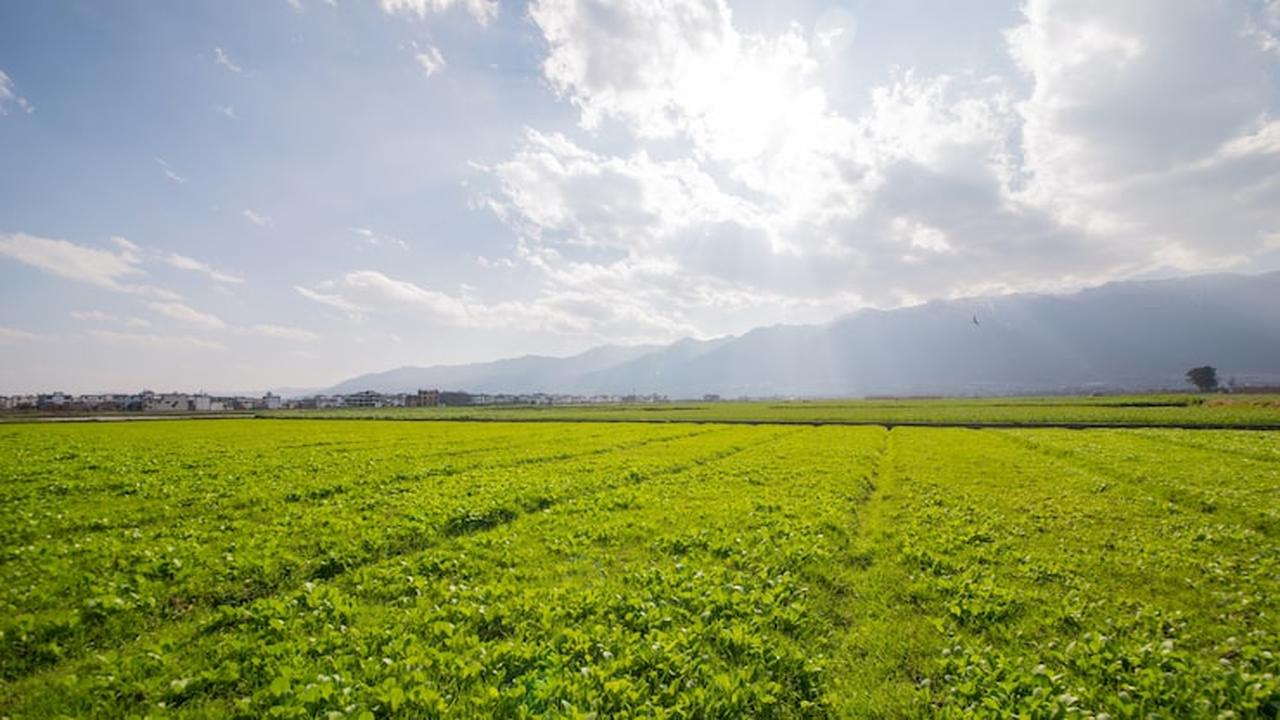
 With PFAS contamination posing a significant threat to agricultural lands, the recent policy recommendations by the PFAS and Agriculture Policy Workgroup led by American Farmland Trust are crucial for addressing this pressing issue. As forever chemicals persist in the environment, the Workgroup's bipartisan approach aims to safeguard farmers' health, livelihoods, and the food supply. Through innovative solutions and collaborative efforts, these recommendations offer a path towards sustainable farming practices and a healthier future for all stakeholders involved.
Importance of Addressing PFAS Contamination in Agriculture
The issue of PFAS contamination in agriculture is a pressing concern that poses significant risks to farmers, consumers, and the environment. As highlighted by the Journal of Environmental Research, PFAS chemicals have been linked to various health issues, including liver, kidney diseases, immune disorders, and certain forms of cancer. The recommendations put forth by the PFAS and Agriculture Policy Workgroup, led by American Farmland Trust, underscore the critical need for a coordinated federal response to mitigate the impact of PFAS on agricultural lands. By advocating for a dedicated agricultural PFAS relief and support program, the Workgroup aims to provide essential assistance to farmers grappling with contamination issues, ensuring the sustainability of farm businesses and safeguarding food safety.
The experience in Maine, where PFAS contamination was first detected on a dairy farm, serves as a poignant example of the challenges farmers face. Through a comprehensive safety net established by the state, impacted farmers received vital support for their health, businesses, and land, enabling many to continue operations. This proactive approach emphasizes the importance of early intervention and support mechanisms in addressing PFAS contamination effectively. By drawing lessons from successful initiatives like the one in Maine, policymakers and stakeholders can develop strategies to protect farmers and mitigate the adverse effects of PFAS exposure on agricultural productivity and public health.
Strategies to Reduce PFAS Contamination in Agriculture
One of the key recommendations proposed by the Workgroup is the concept of "turning off the tap" to reduce additional PFAS contamination in agricultural settings. Given the challenges associated with removing PFAS from soil, preventing further contamination becomes paramount. The call for the U.S. Environmental Protection Agency (EPA) to establish a threshold for PFAS in biosolids used in agriculture and to support farmers in transitioning away from their use reflects a proactive approach to tackling the issue at its source. By promoting awareness and incentivizing sustainable farming practices that minimize PFAS exposure, stakeholders can work towards creating a safer and more resilient agricultural sector.
Addressing the reliance on biosolids as a low-cost fertilizer presents a complex dilemma for farmers, highlighting the need for a balanced approach that considers both economic and environmental factors. The challenge of setting a threshold that balances human health protection with agricultural practices underscores the importance of scientific research and collaboration between regulatory bodies, industry stakeholders, and farmers. By fostering dialogue and knowledge-sharing on PFAS contamination, companies like Maine Farmland Trust and advocacy groups can play a crucial role in facilitating the transition towards safer agricultural practices that prioritize environmental stewardship and public health.
Research and Collaboration for Effective Policy Responses
Research plays a pivotal role in informing policy responses to emerging environmental challenges like PFAS contamination in agriculture. The Workgroup's emphasis on establishing PFAS as a research priority and coordinating research efforts across federal agencies underscores the importance of evidence-based decision-making in addressing complex issues. By leveraging existing research and investing in targeted studies to understand the extent and impact of PFAS contamination, policymakers can develop effective mitigation strategies and support mechanisms for affected farmers. Collaborative efforts between government agencies, research institutions, and industry stakeholders are essential in advancing scientific knowledge and driving policy innovation in the realm of agricultural sustainability and environmental protection.
The call for improved communication to farmers and the general public underscores the importance of transparency and awareness in addressing PFAS contamination issues. By enhancing information dissemination and promoting best practices for PFAS management, stakeholders can empower farmers to make informed decisions about their agricultural practices. Companies like American Farmland Trust and Maine Farmland Trust can play a pivotal role in bridging the gap between research findings and on-the-ground implementation, fostering a culture of knowledge exchange and continuous improvement in sustainable agriculture practices.
Conclusion
In the realm of sustainable agriculture and environmental stewardship, the recent policy recommendations by the PFAS and Agriculture Policy Workgroup, spearheaded by American Farmland Trust, stand as a beacon of hope in addressing the pressing threat of PFAS contamination in agricultural lands. By advocating for a coordinated federal response, promoting innovative solutions, and fostering collaboration, these recommendations offer a roadmap towards safeguarding farmers' health, ensuring food safety, and advancing sustainable farming practices. As we reflect on the imperative to "turn off the tap" on PFAS contamination and prioritize research, collaboration, and transparency, it becomes evident that a collective effort is essential to create a healthier future for all. Let us heed the call for action, embrace evidence-based decision-making, and champion a resilient agricultural sector that thrives on ethical sourcing, transparency, and a commitment to sustainability.