
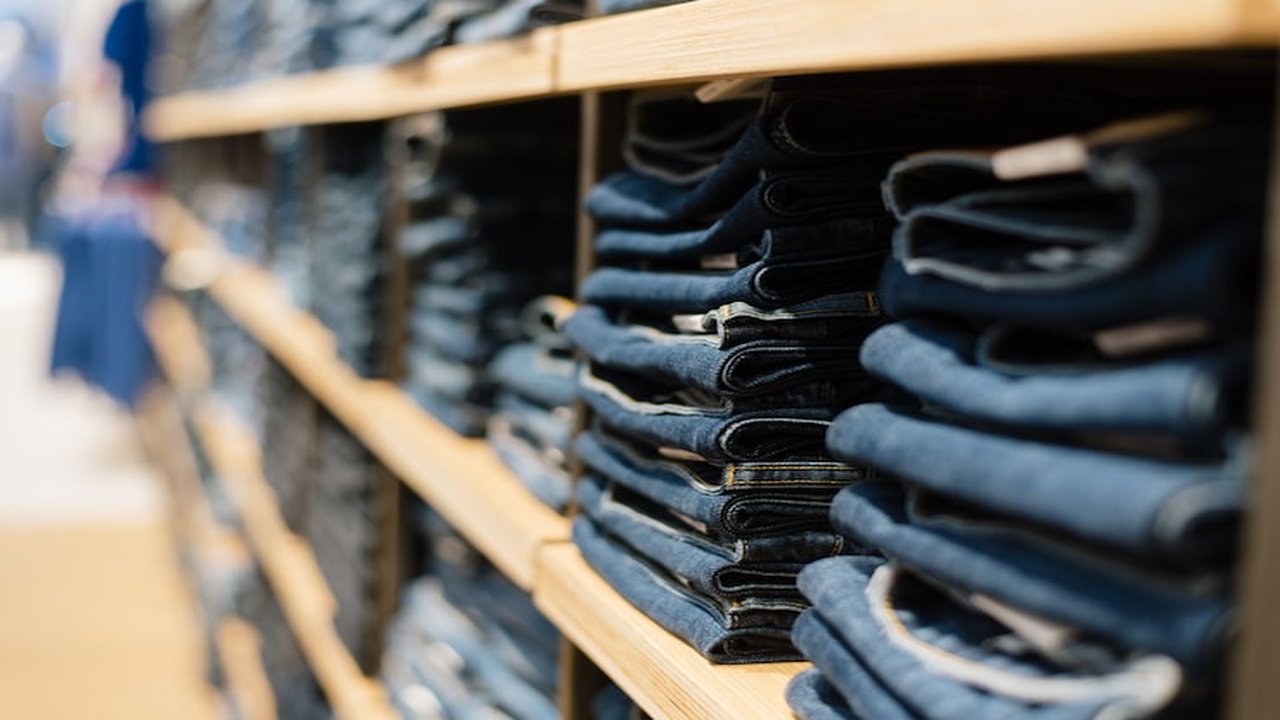
 Potassium permanganate, a staple in denim bleaching, has landed on the ZDHC Chemical Watchlist, signaling potential risks to health and the environment. This expert-driven tool aims to guide industries towards safer chemical choices, highlighting substances like potassium permanganate that pose concerns. Despite efforts to adopt cleaner practices, the denim sector grapples with the chemical's cost-effectiveness and health implications. A report by Clean Clothes Campaign Turkey underscores the serious health risks associated with potassium permanganate, urging for safer alternatives. As industry players navigate this challenge, the push for sustainable and transparent supply chains gains momentum.
Sustainability Challenges in the Denim Industry
The inclusion of potassium permanganate in the ZDHC Chemical Watchlist underscores the sustainability challenges faced by the denim industry. Despite efforts to enhance environmental practices, the industry continues to grapple with the trade-off between cost-effectiveness and ecological impact. Clean Clothes Campaign Turkey's report highlighting the health risks associated with potassium permanganate serves as a stark reminder of the need for sustainable alternatives. As companies strive to align with global sustainability goals, the pressure to transition towards cleaner production processes intensifies. This shift not only addresses regulatory concerns but also aligns with consumer preferences for ethically sourced and environmentally friendly products.
The push for sustainability in the denim sector extends beyond regulatory compliance to encompass broader ethical considerations. Companies are increasingly recognizing the importance of transparency in their supply chains to build trust with consumers and stakeholders. By proactively addressing chemical risks such as potassium permanganate, organizations can demonstrate their commitment to responsible sourcing practices. Collaborative initiatives like the ZDHC Chemical Watchlist provide a platform for industry players to engage in dialogue, share best practices, and collectively drive towards a more sustainable future. Embracing transparency not only mitigates reputational risks but also fosters a culture of accountability and continuous improvement within the supply chain ecosystem.
Innovation and Adoption of Safer Alternatives
In response to the health and environmental concerns associated with potassium permanganate, the denim industry is exploring innovative solutions and alternative technologies. Companies are investing in research and development to identify safer bleaching agents that offer comparable results without compromising on performance. Clean Clothes Campaign's advocacy for the evaluation of alternatives to manual spraying underscores the industry's shift towards automation and advanced manufacturing processes. By leveraging technologies such as lasers and robotics, companies can enhance worker safety, reduce chemical exposure, and improve overall operational efficiency.
The adoption of safer alternatives not only mitigates health risks but also drives operational excellence and cost savings in the long run. As companies transition towards sustainable practices, investing in research and innovation becomes a strategic imperative to stay competitive in the market. By embracing a culture of continuous improvement and technological advancement, organizations can position themselves as industry leaders in sustainable denim production. The integration of safer chemical alternatives not only aligns with regulatory requirements but also reflects a proactive approach towards addressing emerging sustainability challenges.
Collaborative Industry Efforts and Stakeholder Engagement
Addressing the complexities surrounding chemical management in the textile industry requires collaborative efforts and stakeholder engagement. The involvement of organizations like ZDHC and advocacy groups such as Clean Clothes Campaign plays a pivotal role in driving industry-wide change and promoting sustainable practices. By fostering partnerships between brands, suppliers, and regulatory bodies, these initiatives facilitate knowledge sharing, capacity building, and the development of industry standards. Through collective action and shared responsibility, stakeholders can work towards a common goal of reducing chemical risks and enhancing supply chain transparency.
The engagement of stakeholders at various levels of the supply chain is essential to ensure a holistic approach to chemical management and sustainability. Companies that actively involve suppliers, workers, and local communities in decision-making processes demonstrate a commitment to ethical sourcing and social responsibility. By promoting dialogue and collaboration, industry players can address systemic challenges, drive innovation, and create a more resilient and sustainable supply chain ecosystem. The collective efforts of stakeholders towards sustainable chemical management not only benefit the environment and public health but also contribute to the long-term viability of the denim industry.
Conclusion
As the denim industry confronts the sustainability challenges posed by potassium permanganate, the call for cleaner practices and transparent supply chains grows louder. Clean Clothes Campaign Turkey's report underscores the urgency for safer alternatives, pushing companies towards innovation and collaboration. Embracing sustainable chemical management not only mitigates risks but also aligns with consumer expectations for ethical sourcing. By prioritizing transparency, investing in research, and engaging stakeholders, industry players can pave the way for a more responsible and resilient denim sector. The journey towards sustainability is not just a regulatory necessity but a strategic imperative for long-term success and positive impact on both people and the planet.