
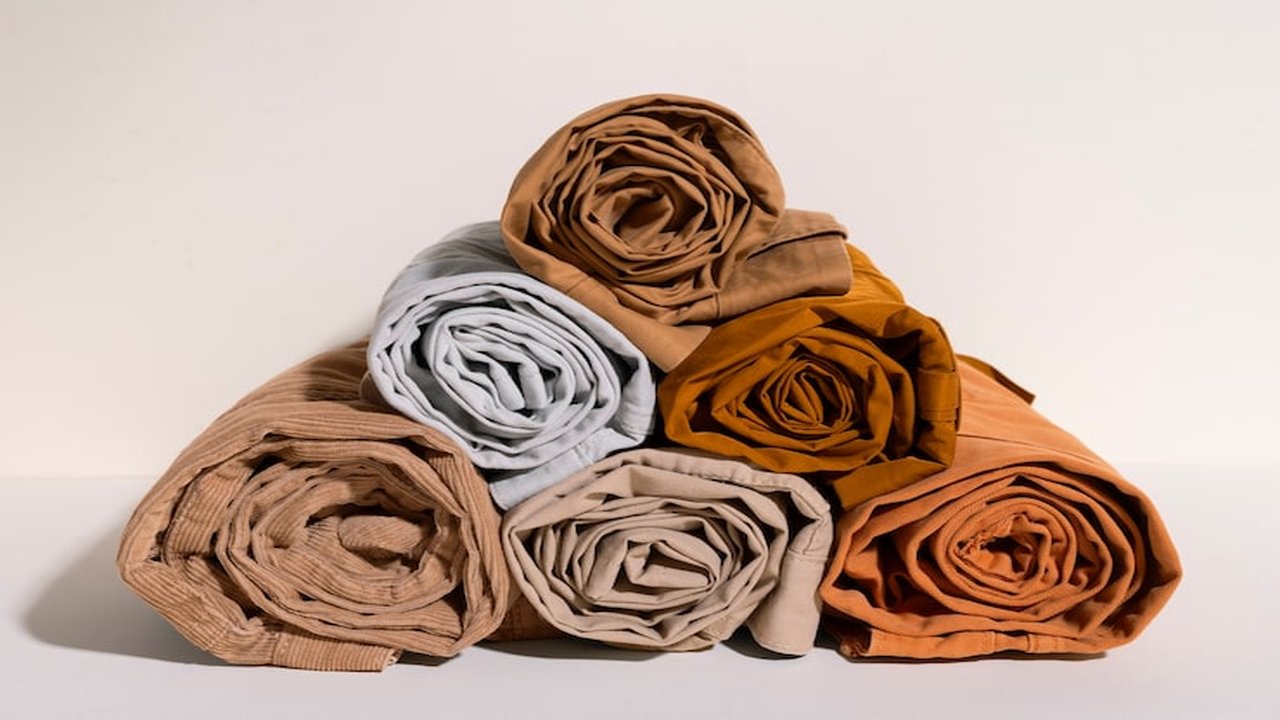
 In a denim market marked by caution and conservatism, the spotlight shines on recycled cotton as a beacon of sustainability and resilience. With leading mills championing circularity and transparency, the industry is navigating challenges with innovation and collaboration. As brands seek value-driven solutions, the journey of recycled cotton in denim unveils a narrative of quality, performance, and environmental impact. Join us as we delve into the evolving landscape of sustainable sourcing and the quest for a more circular fashion industry.
The Rising Importance of Recycled Cotton in Denim
The denim industry is witnessing a shift towards sustainability, with recycled cotton emerging as a key player in this transformation. Companies like Tommy Hilfiger and Kuyichi are leading the charge by incorporating recycled fibers into their collections, showcasing a commitment to circularity and environmental responsibility. As consumer demand for sustainable fashion grows, brands are recognizing the value of using recycled cotton not just as a trend but as a standard practice. This shift is evident in the success of brands like Tommy Hilfiger, which has launched collections featuring 100 percent recycled cotton jeans, setting a new standard for the industry and signaling a broader movement towards increased recycled content in denim products.
Recycled cotton not only aligns with sustainability goals but also offers tangible environmental benefits. Companies like Jeanologia and Sapphire Fibers are at the forefront of innovation, developing dye-free denim and utilizing traceability technology to ensure transparency throughout the supply chain. By partnering with technology firms and investing in sustainable practices, these companies are setting a new benchmark for eco-friendly denim production. The emphasis on recycled cotton in denim reflects a broader industry trend towards prioritizing ethical sourcing and reducing the environmental footprint of fashion products.
Challenges and Opportunities in Scaling Recycled Cotton Adoption
While the adoption of recycled cotton in denim holds promise, it also presents challenges that need to be addressed for widespread implementation. Companies like ADM are navigating the delicate balance between incorporating recycled fibers and maintaining product quality. The optimal percentage of recycled cotton in denim varies based on factors such as performance requirements, fiber type, and production setup. Striking this balance is crucial to ensure that sustainability goals are met without compromising the integrity of the final product. As the industry evolves, advancements in technology and supply chain management will play a key role in overcoming these challenges and driving the increased adoption of recycled cotton.
Collaborative initiatives like the Denim Deal are instrumental in addressing obstacles to scaling recycled cotton adoption. By bringing together stakeholders from across the value chain, these initiatives facilitate knowledge-sharing, resource pooling, and the development of standardized practices for circular denim production. Through collective efforts and a shared commitment to sustainability, companies can overcome barriers such as limited fiber availability, technical complexities, and concerns about product durability. By fostering collaboration and innovation, the industry can accelerate the transition towards a more sustainable and circular fashion ecosystem.
The Evolution of Circular Fashion and Consumer Preferences
As brands and mills explore the possibilities of recycled cotton in denim, they are also navigating evolving consumer preferences and market dynamics. Companies like Sapphire Fibers and Jeanologia are not only focusing on sustainability but also on meeting consumer expectations for quality, comfort, and performance. The challenge lies in balancing sustainability goals with consumer demands, particularly regarding the softness and feel of denim products. Brands must innovate and collaborate across the value chain to deliver denim that not only meets sustainability standards but also resonates with consumers on a functional and aesthetic level. By prioritizing both sustainability and consumer preferences, companies can drive the adoption of recycled cotton while meeting market demands for stylish and eco-conscious denim products.
The journey of recycled cotton in denim reflects a broader shift towards circular fashion and a more transparent and ethical supply chain. Brands that embrace recycled fibers, such as Kuyichi and Tommy Hilfiger, are not only aligning with sustainability trends but also setting new standards for the industry. As companies invest in innovative technologies, traceability solutions, and collaborative initiatives, the future of denim production is poised to be more sustainable, resilient, and responsive to both environmental challenges and consumer expectations.
Conclusion
In the ever-evolving denim landscape, the rise of recycled cotton heralds a transformative era of sustainability and innovation. Companies like Tommy Hilfiger and Kuyichi are spearheading a paradigm shift towards circularity, setting new standards for ethical fashion. While challenges in scaling recycled cotton adoption persist, collaborative initiatives like the Denim Deal offer a path forward through shared knowledge and collective action. As brands navigate consumer preferences and market dynamics, the quest for quality, comfort, and performance aligns with the ethos of a more transparent and eco-conscious supply chain. The journey of recycled cotton in denim underscores a compelling narrative of resilience, environmental stewardship, and a vision for a fashion industry that not only adapts but thrives in a sustainable future.