
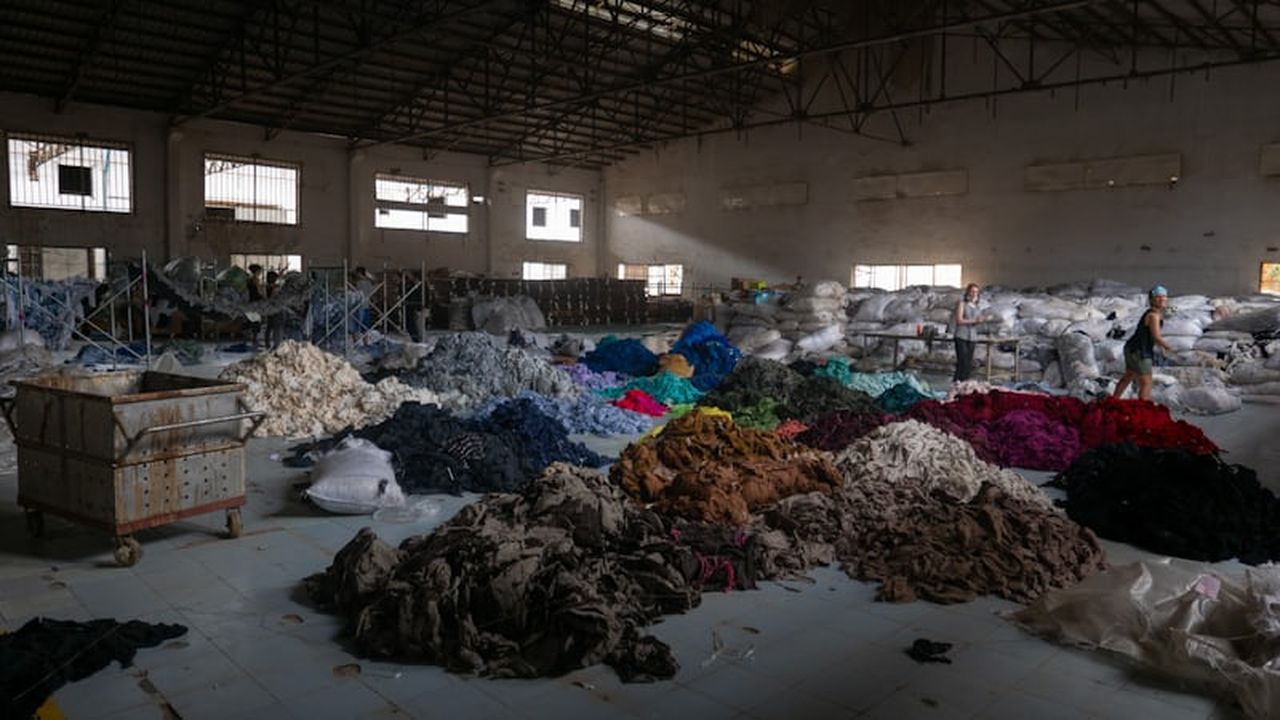
 With global polyester fiber production reaching 78 million metric tons in 2024, Reju's groundbreaking move to establish a commercial-scale textile recycling hub in Rochester, New York, marks a pivotal shift towards circularity in the fashion industry. The $390 million plant will repurpose 300 million garments annually, signaling a transformative leap towards sustainable practices. Positioned alongside industry players like H&M-backed Syre and Textile Exchange, Reju's strategic expansion underscores a growing commitment to ethical sourcing and supply chain transparency. This article delves into the implications of this bold initiative and its potential to reshape the future of textile recycling on a global scale.
The Shift Towards Circular Fashion Economy
The move by Reju to establish a commercial-scale textile recycling hub in Rochester, New York, signifies a significant shift towards a circular fashion economy. With global polyester fiber production hitting 78 million metric tons in 2024, the industry is under increasing pressure to adopt sustainable practices. The $390 million investment by Reju to repurpose 300 million garments annually into BHET precursor highlights a strategic commitment to sustainability. This initiative not only showcases a move towards ethical sourcing and transparency but also sets a precedent for other industry players to follow suit. Companies like H&M and Syre are already making strides in this direction, with Syre constructing a circular polyester plant in North Carolina and planning further expansion in Vietnam. The collective efforts of these companies underscore a growing awareness of the need for responsible supply chain practices and the importance of closing the loop in the fashion industry.
Reshaping Supply Chain Dynamics
The establishment of Reju's textile regeneration hub in Rochester not only signifies a step towards circularity but also prompts a reevaluation of traditional supply chain dynamics. As Eastman Business Park transforms into a hub for textile recycling, it signals a shift in how companies view waste management and resource utilization. The integration of sustainable practices into supply chain operations is becoming increasingly crucial, with consumers demanding greater transparency and accountability from brands. By repurposing textile waste into valuable resources, companies like Reju are not only reducing environmental impact but also creating new opportunities for innovation and collaboration within the industry. This strategic move aligns with the broader trend towards sustainable sourcing and production, positioning these companies at the forefront of a more responsible and resilient supply chain ecosystem.
The Imperative of Extended Producer Responsibility
The focus on extended producer responsibility (EPR) in New York State underscores the growing regulatory pressure on manufacturers to take accountability for their products throughout their lifecycle. Initiatives like bills S3217A and A6193 aim to shift the burden of textile waste management back to the producers, incentivizing them to adopt more sustainable practices. Companies like Reju are not only investing in recycling infrastructure but also advocating for a systemic change in how textiles are produced, used, and disposed of. By embracing EPR principles, businesses can proactively address environmental concerns, enhance brand reputation, and contribute to a more circular economy. The collaboration between Reju, Textile Exchange, and other industry stakeholders sets a precedent for collective action towards achieving a more sustainable and transparent global supply chain.
Conclusion
The establishment of Reju's textile recycling hub in Rochester, New York, symbolizes a monumental leap towards circularity in the fashion industry, aligning with the ethos of sustainability, ethical sourcing, and transparency championed by industry leaders like H&M, Syre, and Textile Exchange. This transformative initiative not only reshapes supply chain dynamics but also underscores the imperative of extended producer responsibility, setting a new standard for environmental stewardship and innovation. As the global textile sector embraces a more responsible and resilient approach, the collaborative efforts of key players pave the way for a future where sustainability is not just a goal but a fundamental principle driving industry evolution.