
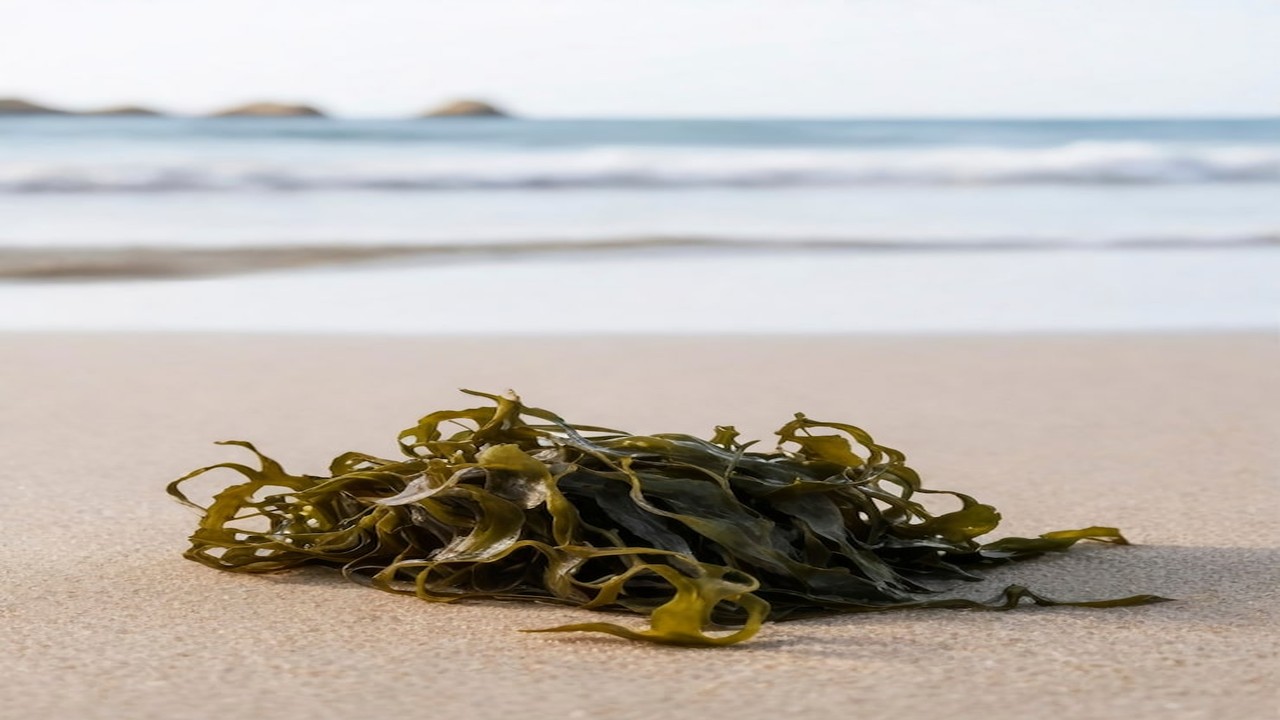
 With plastic accounting for about 3.4 percent of global emissions and production expected to triple by 2060, the urgency to address plastic pollution has never been more pressing. Enter Uluu, a Western Australian seaweed bioplastic startup that has secured $16 million in Series A funding to revolutionize the plastic industry. By harnessing seaweed's natural properties, Uluu aims to offer a sustainable alternative to traditional plastics, setting a new standard for environmentally conscious manufacturing. Join us as we delve into Uluu's innovative approach and the potential impact of their groundbreaking technology on global sustainability efforts.
The Urgency of Addressing Plastic Pollution
Plastic pollution poses a significant threat to the environment, with about 3.4 percent of global emissions attributed to plastic production. The alarming projection of a threefold increase in production by 2060 highlights the urgent need for sustainable alternatives. Uluu, a pioneering seaweed bioplastic startup, emerges as a beacon of hope in this scenario. By utilizing seaweed, a renewable resource that grows abundantly in the ocean, Uluu aims to disrupt the traditional plastic industry. This innovative approach not only addresses the pressing issue of plastic pollution but also aligns with global sustainability goals, setting a new standard for environmentally conscious manufacturing practices. The support from investors like Novetex Textiles and Parley underscores the industry's recognition of the critical need to combat plastic pollution through innovative solutions.
The Innovative Technology Behind Seaweed Bioplastics
The technology developed by Uluu to transform seaweed into bioplastics represents a groundbreaking shift towards sustainable material production. By extracting sugars from seaweed and fermenting them with saltwater microbes to produce polyhydroxyalkanoates (PHAs), Uluu creates a biodegradable alternative to traditional plastics. This proprietary process, likened to brewing beer, results in pellets that are not only reusable and recyclable but also home-compostable. The ability of these seaweed-based pellets to break down in the ocean without leaving behind harmful microplastics showcases the potential of this technology to revolutionize the plastics industry. The scalability of this process, as highlighted by Uluu's plans to build a commercial facility by 2028, indicates a significant shift towards climate-positive material production.
Market Penetration and Collaborations in Sustainable Industries
Uluu's strategic focus on entering markets like cosmetics packaging and fashion accessories demonstrates a targeted approach to introducing their seaweed-based materials. By initially replacing plastic pellets in injection molding equipment, Uluu positions itself as a viable alternative for industries seeking sustainable solutions. Collaborations with brands like Papinelle and Quiksilver not only showcase the versatility of Uluu's materials but also pave the way for broader adoption across various sectors. The recognition from Audi for potential applications in automotive manufacturing and the accolades received at events like SXSW and from the Australian Government signify the growing interest and support for sustainable innovations in diverse industries.
Environmental Impact and Climate Positivity of Seaweed Bioplastics
The environmental benefits of seaweed bioplastics extend beyond reducing plastic pollution to actively sequestering carbon dioxide and lowering emissions. Uluu's claim that their technology could potentially sequester and avoid up to 5 kilograms of CO₂e for every kilogram of material produced highlights the significant environmental impact of their approach. This climate-positive aspect, coupled with the strength, lightweight nature, and non-toxic properties of seaweed-based materials, positions Uluu as a key player in the transition towards sustainable manufacturing practices. The potential to cut global emissions by over two billion metric tons annually, as estimated by Uluu, underscores the transformative potential of seaweed bioplastics in combating climate change and promoting a more sustainable future.
Conclusion
In a world grappling with the escalating threat of plastic pollution, Uluu emerges as a beacon of innovation and sustainability, poised to revolutionize the plastics industry. By harnessing the power of seaweed bioplastics, Uluu not only offers a sustainable alternative to traditional plastics but also sets a new standard for environmentally conscious manufacturing practices. The groundbreaking technology behind seaweed bioplastics not only addresses the urgent need for sustainable alternatives but also showcases the potential to significantly reduce global emissions and combat climate change. With strategic collaborations in sustainable industries and a clear focus on market penetration, Uluu paves the way for a more sustainable future. As we witness the transformative impact of Uluu's approach, it prompts a critical reflection on the role of innovative solutions in shaping a more environmentally friendly and climate-positive world.