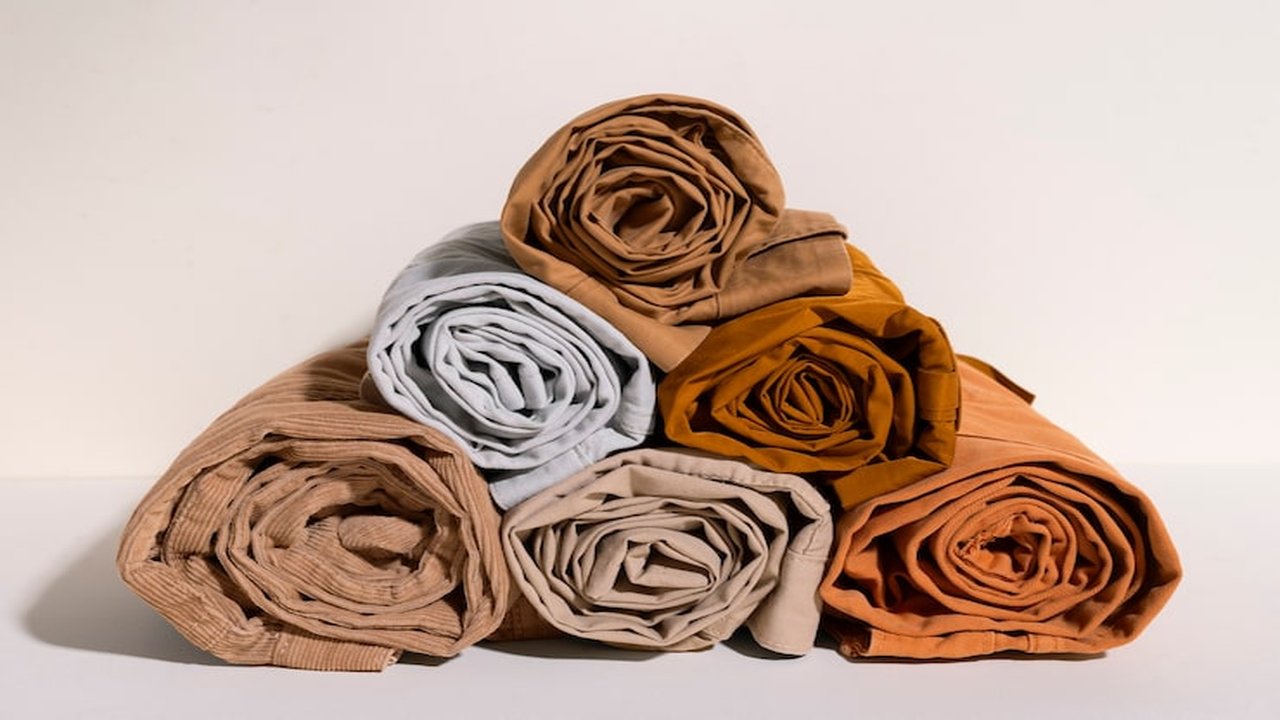
 In a transformative move for the textile recycling industry, Textile Recycler Circ is forging new partnerships with renowned brands like Madewell, Reformation, and C&A. This strategic expansion comes as Circ unveils its Fiber Club initiative, aimed at propelling sustainable material sourcing beyond mere experimentation to long-term adoption. With a pioneering approach that bridges the gap between innovation and commercial viability, Circ's patented process is set to revolutionize the sector. Join us as we delve into the profound implications of this growth trajectory and the pivotal role Circ plays in reshaping the future of sustainable fashion.
Sustainable Material Sourcing Revolution
The partnership between Textile Recycler Circ and renowned brands like Madewell, Reformation, and C&A marks a significant shift in the textile recycling industry towards sustainable material sourcing. Circ's Fiber Club initiative is not just about short-term experimentation but about fostering long-term commitment to recycled materials. This strategic move reflects a broader trend in the industry where companies are increasingly under pressure to adopt sustainable practices due to consumer demand and regulatory requirements. By aligning suppliers across the supply chain and pooling demand for recycled materials, Circ is creating a shared framework that streamlines the integration of recycled fibers into existing production systems. This approach not only lowers costs but also reduces minimum order quantities, making it easier for brands to transition towards circular materials.
Bridging the Gap Between Innovation and Commercialization
Circ's patented process of separating poly-cotton blends is a key differentiator that sets it apart from other players in the market like Reju and Circulose. This innovation addresses a critical challenge in the textile recycling sector by enabling the efficient reuse of materials that were previously difficult to recycle. By collaborating with industry organizations like Fashion for Good and Canopy, Circ is not only driving innovation but also ensuring that these innovations translate into commercial success. The emphasis on moving from testing to material development to long-term uptake through the Fiber Club model demonstrates Circ's commitment to bridging the gap between technological feasibility and commercial implementation, a crucial step towards achieving sustainability goals.
Lessons from Industry Failures and Financial Sustainability
The textile recycling sector has seen its share of challenges, with companies like Renewcell facing bankruptcy due to production capacity outpacing brands' ability to incorporate new fibers into their supply chains. Circ's approach of pairing the Fiber Club initiative with the "Circ Ready" supplier network showcases a strategic response to these industry pitfalls. By pre-qualifying manufacturers capable of working with recycled materials, Circ aims to minimize friction in adoption and ensure a smoother transition for brands looking to embrace sustainable sourcing practices. Moreover, the company's focus on financing its industrial-scale facility in France underscores the importance of long-term financial sustainability in driving innovation and growth in the circular economy.
Policy-Driven Demand and Market Expansion
The increasing pressure from Extended Producer Responsibility (EPR) schemes in Europe is reshaping the landscape of the textile industry, compelling brands to reevaluate their waste liabilities and prioritize recycled-content targets. Circ's expansion into France and the establishment of a full-scale facility not only signifies a strategic move towards processing European textile waste locally but also positions the company to support large-volume commercial production of its recycled fibers. This market expansion, coupled with the growing interest in sustainable fashion, presents a promising outlook for Circ and its partners. As regulatory frameworks continue to evolve, companies like Circ are well-positioned to capitalize on the shifting consumer preferences towards environmentally conscious products.
Driving Innovation Through Collaboration and Commitment
The collaboration between Circ and supply partners like Lenzing and Linz Textil highlights the importance of industry-wide cooperation in driving innovation and sustainability. By aligning with companies specializing in lyocell and recycled polyester fiber production, Circ is not only expanding its network but also leveraging the expertise of key players in the field. This collaborative approach, combined with Circ's focus on creating a shared framework for testing and scaling recycled inputs, underscores the company's commitment to driving positive change in the textile recycling sector. As Circ continues to expand its Fiber Club initiative and attract interest from a diverse range of stakeholders, the company is poised to lead the way in reshaping the future of sustainable fashion through innovation, collaboration, and long-term commitment.
Conclusion
In a landscape where sustainability is no longer a choice but a necessity, Textile Recycler Circ emerges as a beacon of innovation and collaboration, reshaping the future of sustainable fashion through its Fiber Club initiative and strategic partnerships with industry giants like Madewell, Reformation, and C&A. By bridging the gap between technological advancement and commercial viability, Circnot only addresses industry pitfalls but also sets a new standard for sustainable material sourcing. As Circ paves the way for a circular economy, it underscores the power of policy-driven demand, financial sustainability, and collaborative commitment in driving positive change. The transformative journey of Circ serves as a compelling testament to the potential of sustainable practices in revolutionizing global supply chains and inspiring a new era of conscious consumerism.