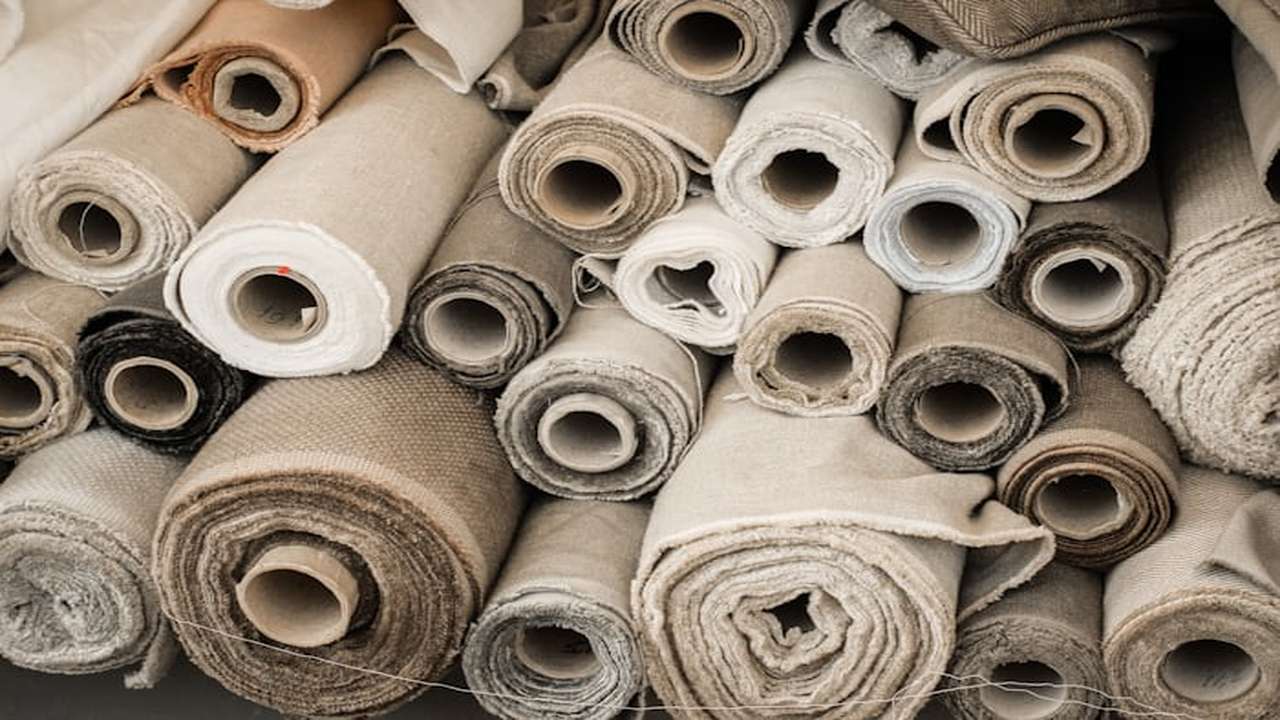
 In the heart of Istanbul, the epicenter of innovation and sustainability in the textile industry, over 1,000 thought leaders convened at the Sustainability Talks Istanbul. Against a backdrop of challenges facing Turkey's textile sector, from high costs to environmental strains, the event illuminated a path forward. From circular innovation to shared responsibility, key players like Lacoste and Armedangels showcased their commitment to sustainability. Dive into the conversations that unfolded, revealing a compelling narrative of transformation, resilience, and collaboration shaping the future of global supply chains.
Circular Innovation and Sustainable Leadership
At the heart of Sustainability Talks Istanbul was a resounding call for circular innovation and sustainable leadership in the textile industry. Companies like Lacoste and Armedangels exemplified this commitment through their strategic shifts towards more sustainable practices. Lacoste's decision to make Turkey its primary sourcing destination, surpassing China, underscores the importance of nearshoring and value chain elevation. By sourcing 70% of raw materials from organic or recycled sources, Lacoste not only ensures sustainable performance but also capitalizes on the availability of high-quality Turkish cotton, aligning with the industry's push towards a more sustainable future.
On the other hand, Armedangels' journey towards sustainability was marked by challenges and lessons learned. Despite facing monitoring lapses in sourcing chlorine-free wool, the German label's transparent communication and investment in digital monitoring solutions showcase a commitment to traceability and stakeholder engagement. The shift towards digital product passports and the emphasis on compliance as a tool for driving impact highlight the evolving landscape of sustainability in the textile industry.
Shared Responsibility and Collective Action
The imperative of shared responsibility and collective action emerged as a recurring theme during the Sustainability Talks Istanbul. Global Fashion Agenda's Circle of Fashion Partnership, funded by the H&M Foundation, exemplifies this ethos by fostering collaboration among local stakeholders to develop systems for capturing and recycling textile waste. By partnering with organizations like Rematters and implementing partners such as Reverse Resources and Circle Economy Foundation, the initiative aims to scale waste segregation and fiber-to-fiber recycling in Turkey, leveraging the country's vertically integrated industry and proximity to the EU.
Moreover, the notion of shared responsibility was echoed by industry leaders like Ahmet Öksüz and Dirk Vantyghem, emphasizing the need for a collective approach towards sustainability. Öksüz's analogy of sustainability as a chain, where the burden cannot rest on a single link, underscores the importance of shared accountability among all stakeholders. Similarly, Vantyghem's call for improved EU-Turkey relations and a modern framework for collaboration highlights the necessity of aligning policies and practices to foster a fully integrated supply chain in the textile industry.
Innovation and Adaptability in a Changing Landscape
Amidst the challenges facing Turkey's textile sector, the imperative of innovation and adaptability emerged as key drivers of transformation. Companies like Karacasu Tekstil are navigating the shifting landscape by launching initiatives like the Spinnovation collection, which focuses on reducing water usage and carbon emissions in yarn production. Despite the industry-wide reticence towards sustainability due to cost considerations, Karacasu Tekstil's emphasis on innovation competencies, high-quality products, and transformation skills underscores the company's resilience and commitment to driving change.
Furthermore, the evolving nature of sustainability demands a continuous focus on innovation and adaptability. Livinguard Technologies' approach to sustainable dyeing technologies highlights the need for cost-effective solutions that enable the efficient use of resources. By addressing the cost barrier through technologies like cationization pre-treatment for cellulose, companies can achieve cost savings while reducing energy consumption and environmental impact, signaling a shift towards more sustainable practices in the textile industry.
Conclusion
The Sustainability Talks Istanbul illuminated a transformative path forward for the textile industry, where Lacoste and Armedangels exemplified sustainable leadership through circular innovation. The call for shared responsibility and collective action, as seen through initiatives like Global Fashion Agenda's Circle of Fashion Partnership, underscores the industry's shift towards collaboration. Emphasizing innovation and adaptability, companies like Karacasu Tekstil and Livinguard Technologies are driving change by prioritizing sustainability. As the sector navigates challenges, the imperative of a collective approach towards sustainability, echoed by industry leaders, highlights the necessity for continuous innovation and resilience. This narrative of collaboration, resilience, and innovation not only shapes the future of global supply chains but also prompts reflection on the shared responsibility of all stakeholders in fostering a sustainable industry ecosystem.