
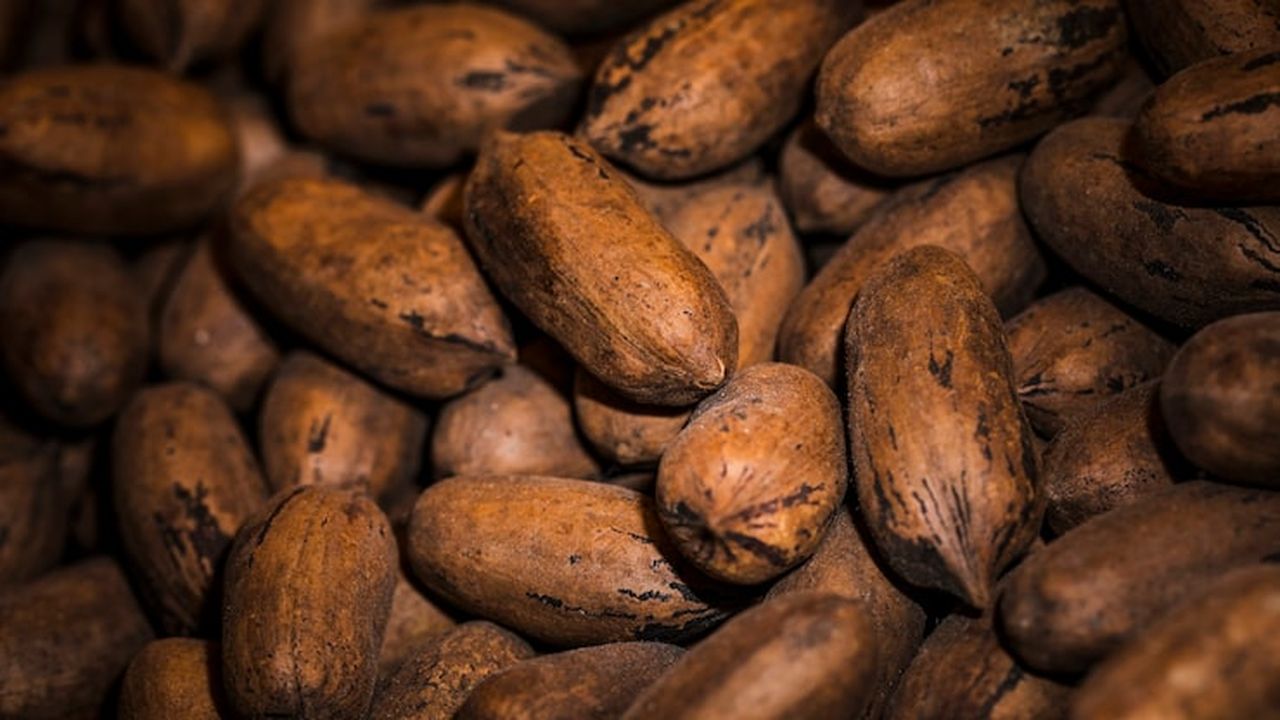
 The volatility in cocoa supply is a stark reality for major chocolate giants like Nestlé, Mondelēz, Mars, and Barry Callebaut. As West Africa struggles with erratic weather and crop diseases, these industry leaders are diversifying their sourcing strategies. While some are exploring new regions like Latin America and investing in cocoa replacements, others remain steadfast in traditional sources. Join us as we delve into how these chocolate powerhouses are navigating the shifting landscape of cocoa production, ensuring resilience and sustainability in their global supply chains.
Diversification Strategies in Response to Cocoa Volatility
The cocoa sector's volatility has prompted major chocolate giants like Nestlé, Mondelēz, Mars, and Barry Callebaut to rethink their sourcing strategies. With West Africa facing challenges such as erratic weather patterns and crop diseases, companies are exploring new regions to diversify their cocoa sources. Mondelēz's focus on Latin America, particularly Brazil and Ecuador, reflects a strategic shift towards regions with different farming models. By expanding into these markets, Mondelēz aims to mitigate the risks associated with over-reliance on West African cocoa production. Similarly, Barry Callebaut's initiatives in Brazil and Ecuador signal a proactive approach to diversification, enhancing their resilience against supply chain disruptions.
On the other hand, Nestlé's continued emphasis on West Africa, particularly Côte d’Ivoire and Ghana, underscores a different approach to diversification. While the company acknowledges the challenges in these regions, it remains committed to its income accelerator program aimed at improving yields through sustainable agricultural practices. This targeted strategy aligns with Nestlé's long-term sustainability goals, emphasizing the importance of supporting local farmers and enhancing cocoa productivity in existing sourcing regions. By balancing traditional sources with innovative practices, companies like Nestlé are navigating the complexities of cocoa production while upholding ethical and sustainable supply chain practices.
Exploration of Cocoa Replacements and Sustainable Alternatives
As the cocoa industry grapples with supply chain uncertainties, some chocolate manufacturers are exploring alternative ingredients to mitigate risks associated with cocoa production. Barry Callebaut's partnership with Planet A Foods to develop a cocoa alternative from locally available crops exemplifies a forward-thinking approach to sustainability. By investing in cultivated cocoa research with Zurich University of Applied Sciences, Barry Callebaut is at the forefront of exploring innovative solutions to ensure a stable cocoa supply chain. Similarly, Mondelēz's investment in 'lab-grown' cocoa through collaborations with startups like Celleste Bio highlights a shift towards sustainable sourcing practices that could revolutionize the industry in the long run.
While the concept of cultivated cocoa presents promising opportunities for the industry, regulatory approval remains a key challenge. Despite the potential benefits in terms of climate resilience and social impact, companies like Nestlé remain cautious about fully transitioning to cocoa alternatives. Nestlé's commitment to traditional cocoa sourcing underscores the delicate balance between innovation and maintaining the authenticity of chocolate products. As the industry navigates the evolving landscape of cocoa production, the exploration of sustainable alternatives presents both opportunities and challenges for companies seeking to ensure the long-term viability of their supply chains.
Strategic Partnerships and Research Initiatives for Resilient Supply Chains
In response to the evolving cocoa landscape, major chocolate players are forging strategic partnerships and investing in research initiatives to enhance the resilience of their supply chains. Mars' collaboration with commodities broker Sucden to boost climate-resilient crop production in the Dominican Republic and Ecuador exemplifies a proactive approach to safeguarding cocoa supplies. By leveraging research centers and innovative technologies, Mars aims to address the challenges posed by climate change and ensure the sustainability of its cocoa sourcing operations. Such strategic investments underscore the company's commitment to long-term sustainability and ethical sourcing practices in the cocoa sector.
Furthermore, the European Commission's potential role in approving innovative cocoa technologies highlights the importance of regulatory frameworks in shaping the future of the industry. Mondelēz's anticipation of regulatory approval for 'lab-grown' cocoa underscores the need for industry-wide collaboration and regulatory support to drive sustainable innovation. As companies navigate the complexities of diversification and sustainability in cocoa sourcing, strategic partnerships, and research collaborations play a crucial role in fostering resilience and transparency in global supply chains. By aligning with regulatory bodies and investing in cutting-edge research, chocolate giants are positioning themselves for a more sustainable and resilient future in the cocoa industry.
Conclusion
The cocoa industry's shifting landscape has propelled major players like Nestlé, Mars, and Barry Callebaut to adopt diverse strategies, from exploring new sourcing regions to investing in sustainable alternatives. While some embrace innovation with cocoa replacements, others like Nestlé uphold traditional practices in West Africa, emphasizing sustainability and farmer support. Strategic partnerships and research initiatives underscore a commitment to resilience and transparency in global supply chains. As the industry navigates challenges and opportunities, the pursuit of sustainability remains paramount, urging reflection on the delicate balance between tradition and innovation for a more resilient cocoa future.