
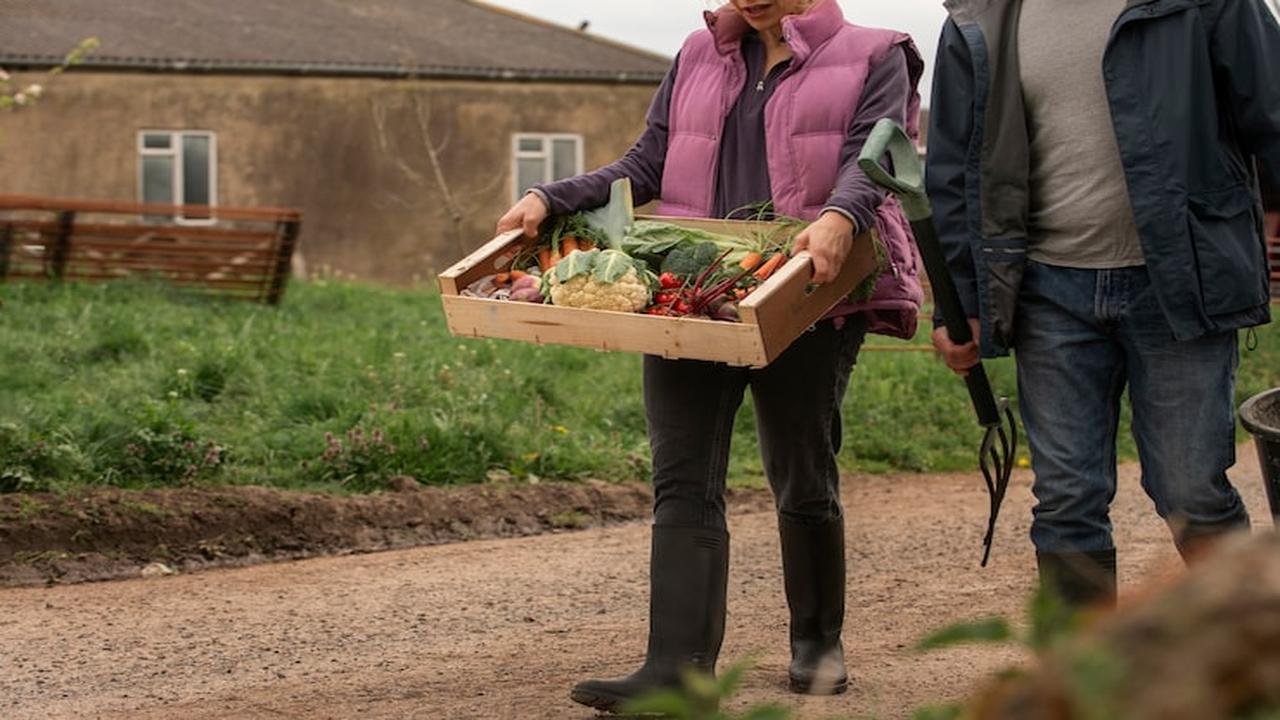
 In Central Texas, the Refugee Collective is cultivating more than just crops—it's sowing resilience in the face of adversity. Through regenerative agriculture practices and cultural empowerment, this nonprofit is not only fostering sustainable livelihoods for refugees but also fortifying local food systems. As the organization navigates challenges posed by policy changes, its commitment to empowering communities through farming remains unwavering. Join us as we delve into how the Refugee Collective's innovative approach is shaping a more inclusive and climate-resilient future in Texas.
Regenerative Agriculture and Cultural Empowerment
The Refugee Collective in Central Texas stands out for its innovative approach to regenerative agriculture, blending traditional farming techniques with modern sustainable practices. By providing refugees with opportunities to bring their cultural farming knowledge to the forefront while learning new regenerative methods, the Collective not only fosters a sense of empowerment but also preserves valuable agricultural traditions. This unique combination allows refugee farmers to grow culturally significant crops, such as regional seasoning blends, that cater to local demand and reflect their heritage.
Moreover, the Collective's emphasis on regenerative agriculture goes beyond just farming practices; it extends to building resilient food systems and addressing climate change. Partnering with conservation groups to develop Texas's first Resilient Farm Plan, the organization aims to sequester a substantial amount of carbon dioxide annually. Through initiatives like no-till practices, cover cropping, and rotational grazing, the Collective demonstrates how sustainable agriculture can mitigate environmental impact while ensuring food security for local communities. This strategic focus not only aligns with global sustainability goals but also positions the Refugee Collective as a pioneer in climate-resilient farming practices.
Community Engagement and Social Impact
One of the key strengths of the Refugee Collective's farming initiatives lies in its community engagement model, which not only supports refugees in earning fair wages but also fosters connections within local neighborhoods. By offering refugees access to commercial plots, training, and the opportunity to sell organic produce, the Collective creates a ripple effect of economic empowerment and social integration. Through programs like Community Supported Agriculture (CSA), where produce is distributed among local residents, the organization bridges cultural divides and promotes food diversity in the region.
Furthermore, the Collective's commitment to social impact extends beyond economic opportunities. By providing smaller plots of land and seeds to newly arrived refugees, the organization enables individuals to cultivate their own produce, fostering a sense of ownership and self-sufficiency. This grassroots approach not only empowers refugee farmers but also enriches the local food landscape with a variety of culturally significant crops. As the Refugee Collective continues to expand its community outreach, it not only enhances food access but also nurtures a sense of belonging and shared purpose among diverse populations in Texas.
Policy Challenges and Resilience Strategies
Despite its commendable efforts, the Refugee Collective faces challenges stemming from policy changes and funding cuts that threaten its sustainability and growth. The hostile environment created by the Trump-Vance Administration's stance on refugee and immigrant communities poses a significant obstacle to the organization's mission of empowering refugees through farming. With recent cuts to SNAP benefits and grant funding, the Collective must navigate a landscape where essential resources are increasingly scarce, putting pressure on its ability to support refugee farmers and sustain its operations.
In response to these challenges, the Refugee Collective is focusing on resilience strategies to overcome adversity and ensure its long-term impact. By prioritizing maintaining and scaling its efforts, the organization aims to weather policy uncertainties and funding constraints by diversifying its revenue streams and strengthening community support. Initiatives like expanding food access, creating pathways for women to earn supplemental income, and engaging the broader Austin community through donations and CSA subscriptions demonstrate the Collective's strategic approach to building resilience in the face of external pressures. Through strategic planning and a steadfast commitment to its mission, the Refugee Collective strives to navigate turbulent times and continue its vital work in empowering refugees through sustainable farming practices.
Conclusion
The Refugee Collective's pioneering work in Central Texas exemplifies the transformative power of regenerative agriculture, cultural empowerment, and community resilience. By blending traditional farming knowledge with sustainable practices, the organization not only preserves heritage but also fosters economic empowerment and social integration among refugee communities. Despite facing policy challenges and funding uncertainties, the Collective's strategic resilience strategies underscore its unwavering commitment to sustainability and inclusivity. As we reflect on their impactful journey, let us be inspired to support initiatives like The Refugee Collective that champion ethical sourcing, transparency, and a more sustainable future for all.