
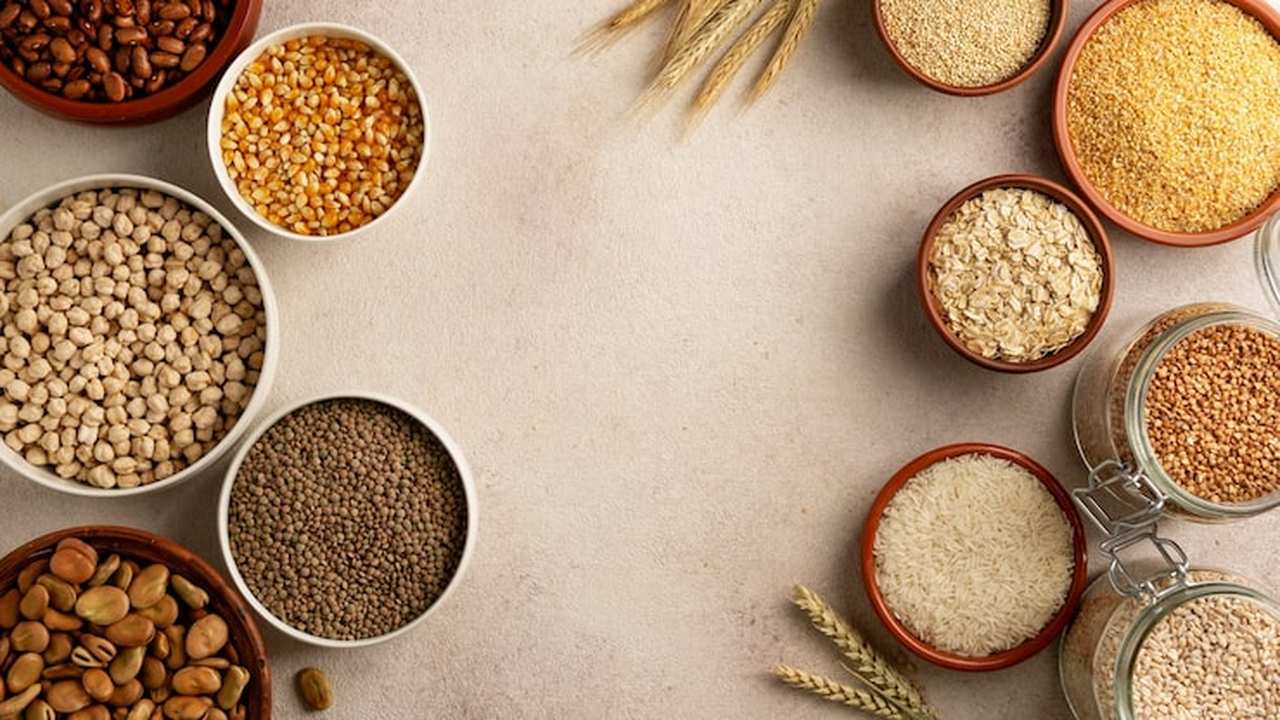
 Amidst a growing demand for clean label foods, the allure of whole grains shines brighter than ever. Natural and whole grains not only offer simplicity and transparency but also pack a powerful nutritional punch that refined grains lack. From the rising popularity of ancient grains like fonio and amaranth to the unique benefits of staple grains such as brown rice and millets, consumers are embracing these wholesome options for their gut health benefits, high fiber content, and climate resilience. Join us as we delve into the treasure trove of whole grains, exploring their functional advantages and the pivotal role they play in the evolving landscape of sustainable and transparent supply chains.
The Nutritional Superiority of Whole Grains
Consumers today are increasingly drawn to the nutritional benefits offered by whole grains over refined grains. According to Rohan Grover, CEO of Nature Bio Foods, natural grains like brown rice and millets are gaining traction due to their superior nutritional profiles. These whole grains are rich in essential nutrients such as fiber, vitamins, and antioxidants, making them a preferred choice for health-conscious consumers. In a market driven by demand for transparent and fiber-rich products, the nutritional superiority of whole grains positions them as key players in meeting consumer preferences for clean label foods.
The unique composition of whole grains, as highlighted by Erin Ball from Grains Food Foundation, sets them apart from refined grains. Whole grains retain the bran and germ components, which are packed with beneficial nutrients like healthy fats, B vitamins, and antioxidants. This comprehensive nutritional profile contributes to better blood sugar control, digestive health, and overall diet quality. By emphasizing the distinct advantages of whole grains, companies like Nature Bio Foods and Millets are well-positioned to cater to the evolving consumer demand for healthier and more natural food options.
The Rise of Ancient Grains in Modern Diets
Ancient grains such as fonio, amaranth, and sorghum are witnessing a resurgence in popularity, driven by their unique nutritional properties and climate resilience. Rohan Grover from Nature Bio Foods highlights the growing consumer interest in ancient grains for their gut health benefits, high fiber content, and gluten-free nature. These grains offer a diverse range of nutrients and flavors, expanding dietary diversity and cultural relevance in modern diets. As consumers seek alternatives to traditional staple crops like rice and wheat, the market potential for ancient grains continues to grow, presenting opportunities for companies like Grover to innovate and meet changing consumer preferences.
Erin Ball underscores the significance of ancient grains in complementing staple grains by enhancing diet quality and offering a wider range of nutrients. With their distinct fiber types, protein compositions, and micronutrient profiles, ancient grains provide a valuable addition to the food industry's efforts towards promoting sustainability and diversity in global supply chains. By incorporating ancient grains into their product offerings, companies like Millets can not only cater to consumer demand for healthier options but also contribute to the preservation of traditional grains and agricultural practices.
Meeting Consumer Demands for Transparency and Sustainability
The growing demand for clean label foods has reshaped consumer preferences, driving the popularity of whole grains and ancient grains in the market. Pauline Arramy from Limagrain Ingredients emphasizes that consumer demand for transparency translates into a preference for ingredients that minimize additives while maintaining high quality standards. Companies like Nature Bio Foods and Grover are at the forefront of this trend, offering natural and whole grain products that align with consumer expectations for simplicity and authenticity.
Moreover, the sustainability aspect of whole grains cannot be overlooked. Ancient grains, known for their climate resilience and minimal environmental impact, present a viable solution to the challenges posed by traditional monoculture farming practices. By promoting the cultivation and consumption of ancient grains, companies like Millets can contribute to a more sustainable and diversified food system, meeting the dual objectives of environmental stewardship and nutritional excellence in the global supply chain landscape.
Conclusion
In the evolving landscape of sustainable and transparent supply chains, the allure of natural and whole grains shines brightly, offering not only nutritional superiority but also a pathway to meeting consumer demands for clean label foods. As Nature Bio Foods, Millets, and Grover lead the charge in embracing ancient grains and staple varieties, they not only cater to evolving consumer preferences but also champion sustainability and transparency. The nutritional richness, climate resilience, and cultural significance of whole grains underscore their pivotal role in reshaping the global food system. Embracing these wholesome options is not just a dietary choice but a strategic investment in a healthier, more diverse, and environmentally conscious future.