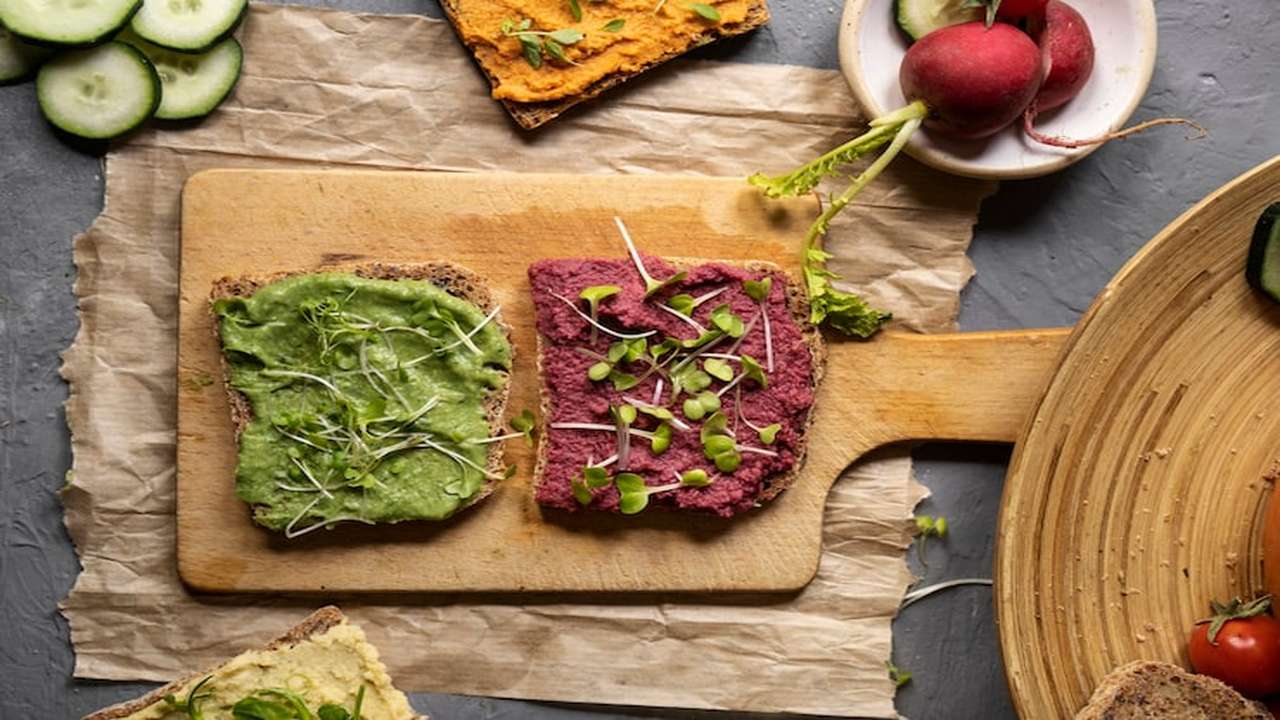
 The era of meat alternatives is facing a dramatic shift. Despite an initial surge, interest in plant-based options is waning. Beyond Meat, a pioneer in the industry, has ventured into high-protein drinks, signaling a broader strategy. As vegan offerings vanish from menus and sustainability interest declines, the future seems uncertain. While meat substitutes struggle to gain mainstream appeal, traditional plant-based foods present untapped opportunities for growth. Let's delve into why meat alternatives are faltering and why plant-based options hold promise in reshaping the food landscape.
The Challenge of Consumer Perception
The decline in consumer interest in meat alternatives can be attributed to the challenge of perception. Plant-based products often face an uphill battle in meeting consumer expectations. For instance, a plant-based burger may not deliver the same taste and texture as a traditional beef burger, leading to consumer disappointment. This discrepancy between expectation and reality hinders the widespread adoption of meat alternatives. Companies like Beyond Meat are constantly innovating to bridge this gap, as seen in their foray into high-protein drinks. However, the fundamental issue of meeting consumer expectations remains a significant hurdle for the industry to overcome.
Moreover, the preferences of vegetarians and vegans further complicate the landscape. While some consumers seek meat-like alternatives, others prefer plant-based products that do not mimic animal-derived foods. This diversity in consumer preferences underscores the challenge faced by companies in the meat alternative sector. The need to cater to a wide range of tastes and preferences while maintaining authenticity poses a strategic dilemma for companies like Beyond Meat seeking to expand their market reach beyond the niche segment.
The Rise of Traditional Plant-Based Foods
In contrast to the struggles of meat alternatives, traditional plant-based foods present a compelling opportunity for growth. Products like tofu, tempeh, and falafel have stood the test of time and are deeply rooted in various cultures worldwide. These foods offer a natural and unprocessed alternative to consumers increasingly wary of complex formulations and ultra-processed foods. Unlike meat substitutes, traditional plant-based foods do not face the burden of comparison with animal-derived products, giving them a unique advantage in the market. Companies like Beyond Meat could explore avenues to leverage the growing demand for authentic, minimally processed plant-based options to diversify their product portfolio and tap into new consumer segments.
The market potential for traditional plant-based foods is underscored by the projected growth of segments like tofu, which is expected to grow at a CAGR of 12.63% between 2026 and 2031 according to Mordor Intelligence. This growth trajectory indicates a shifting consumer preference towards more natural and culturally embedded plant-based options. As companies like Beyond Meat navigate the evolving landscape of plant-based foods, embracing traditional offerings could be a strategic move to capitalize on emerging market trends and drive sustainable growth.
The Imperative of Market Differentiation
One key strategic imperative for companies operating in the plant-based food industry is market differentiation. As the market becomes increasingly saturated with meat alternative products, distinguishing one's brand and products is crucial for long-term success. Beyond Meat's expansion into high-protein drinks exemplifies a proactive approach to diversification and differentiation in response to changing consumer preferences. By offering innovative products that cater to evolving consumer needs, companies can carve out a unique positioning in the competitive landscape and capture new market opportunities.
Furthermore, the emphasis on transparency and trust in the food system presents both a challenge and an opportunity for plant-based food companies. Consumers are becoming more discerning about the ingredients and sourcing practices behind their food choices. Companies that prioritize transparency in their supply chains and production processes, like Beyond Meat, can build credibility and trust with consumers. This focus on transparency not only enhances brand reputation but also aligns with the growing demand for ethically sourced and sustainably produced food products in the market.
The Path Forward: Embracing Sustainability and Innovation
Sustainability and innovation are pivotal drivers shaping the future of the plant-based food industry. Companies like Beyond Meat have a unique opportunity to lead the charge towards a more sustainable and environmentally conscious food system. By investing in research and development to create novel plant-based offerings that resonate with consumers, companies can drive positive change and contribute to a more sustainable future. Embracing sustainability as a core value proposition and fostering a culture of continuous innovation will be essential for companies to stay relevant and competitive in a rapidly evolving market landscape.
Conclusion
In navigating the evolving landscape of plant-based foods, Beyond Meat's strategic shift towards traditional plant-based offerings and high-protein drinks reflects a broader industry trend. While meat alternatives face challenges in meeting consumer expectations, the rise of authentic, minimally processed plant-based foods presents a promising avenue for growth. Market differentiation, transparency, and a commitment to sustainability are key pillars for companies to thrive in this dynamic market. Embracing innovation and sustainability will not only drive positive change but also position companies at the forefront of reshaping the food industry towards a more ethical, transparent, and sustainable future. As the quest for sustainable food options intensifies, the strategic choice between traditional plant-based foods and meat alternatives will define the success of companies in this ever-evolving sector.