
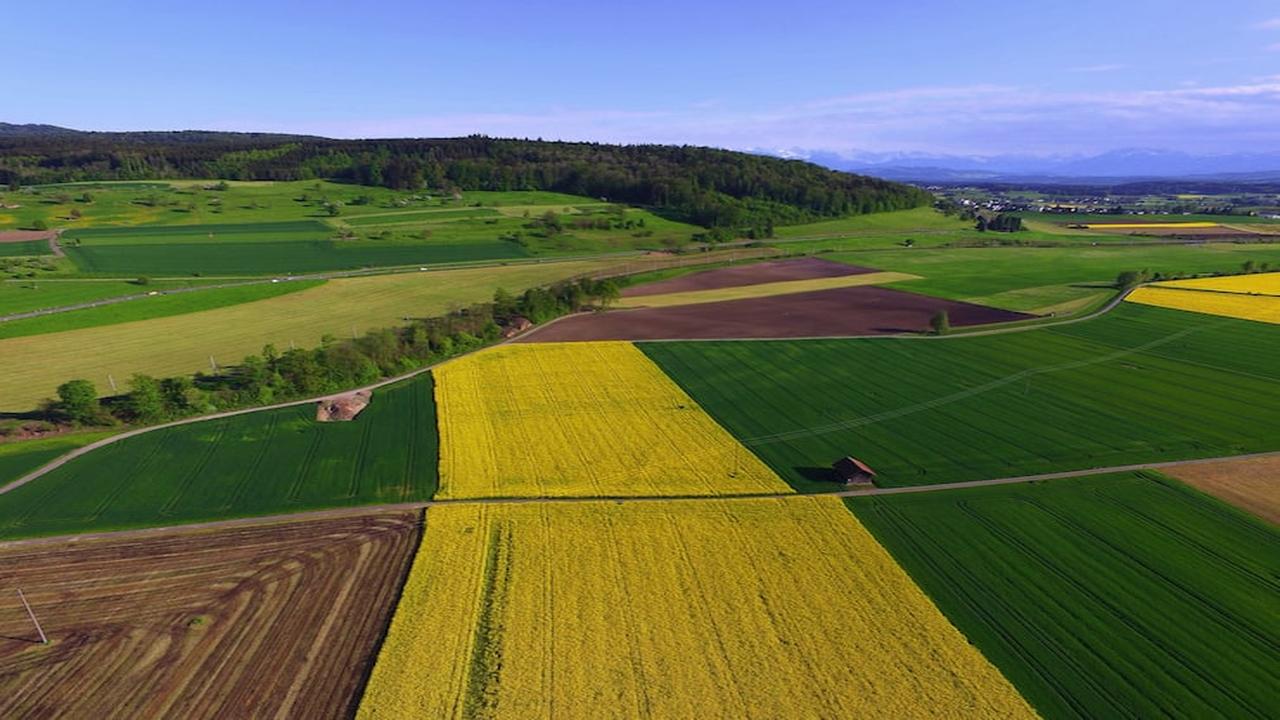
 The Netherlands, a country smaller than West Virginia, ranks as the world's second-largest agricultural exporter. However, this productivity has come at a cost to the environment and society. Researchers at Wageningen University & Research are advocating for a transformative shift in Dutch agriculture towards circular food systems. By rethinking how food is produced, consumed, and valued, these visionaries aim to create a more sustainable and conscious approach to farming. Join us as we delve into their groundbreaking strategies and innovative solutions in our upcoming article.
Rethinking Dutch Agriculture for Sustainability
The Netherlands' agricultural success story is marred by environmental and social challenges, prompting a call for a paradigm shift by researchers at Wageningen University & Research (WUR). The focus on efficiency and growth has led to detrimental impacts on animal welfare and human well-being, as highlighted by Evelien De Olde and Dr. Imke de Boer. Their vision for a circular food system emphasizes working in harmony with nature, a concept gaining traction globally. By prioritizing soil health and biodiversity through practices like intercropping, the Dutch aim to optimize land use and nutrient circulation, as advocated by De Boer.
The inefficiency of using arable land for livestock feed instead of direct human consumption is a key concern addressed in the blueprint for transforming Dutch agriculture. De Boer's emphasis on producing plant-sourced food that generates co-products for animals aligns with the circular system approach. Bi-Jovira Farm in South Holland, under the stewardship of Cornelis Mosselman, exemplifies this nature-based system, showcasing the benefits of biodiversity and soil health. The interactions between plants, roots, and soil organisms foster a balanced ecosystem that mitigates excesses and pests, offering a sustainable model for future agricultural practices.
Building Conscious Consumer Connections
In an era of globalized food systems, reconnecting consumers with the sources of their food is paramount to fostering sustainability. Fabian, a farmer at Herenboeren, emphasizes the importance of consumers understanding the origins of their food to cultivate a sense of responsibility and respect towards the production process. By involving consumers in the planning and production of crops, Herenboeren creates a community-driven approach to food production, transforming individuals into proactive "pro-sumers." This shift in mindset not only enhances consumer consciousness but also instills a deeper appreciation for the energy and effort invested in food production, promoting a more sustainable food culture.
The narrative of conscious consumerism is further reinforced by De Olde, who stresses the significance of educating people on food production to cultivate respect for the resources involved. By providing opportunities for individuals to visit farms and witness firsthand the intricacies of food production, a more informed and conscientious consumer base can be nurtured. This educational approach not only raises awareness about the complexities of food systems but also encourages a more sustainable and respectful attitude towards food consumption, aligning with the principles of ethical sourcing and transparency advocated by CommonShare.
Shifting Towards Circular Food Systems
The transition towards circular food systems, as proposed by De Olde and De Boer, represents a fundamental reimagining of agricultural practices to align with ecological principles. This shift involves not only optimizing land use and nutrient circulation but also prioritizing animal welfare and natural processes. By emphasizing the emotional intelligence of animals and the importance of their natural behavior, the Dutch visionaries advocate for a holistic approach to farming that considers the well-being of all stakeholders. This holistic perspective underscores the interconnectedness of soil health, biodiversity, and animal welfare in creating sustainable and resilient food systems, setting a new standard for agricultural sustainability worldwide.
Conclusion
In reimagining Dutch agriculture towards circular food systems, Wageningen University & Research's visionaries have illuminated a path to sustainability that transcends borders. By prioritizing soil health, biodiversity, and conscious consumer connections, the Netherlands sets a global standard for ethical sourcing and transparent supply chains. The call for a holistic approach to farming, emphasizing animal welfare and natural processes, resonates as a beacon of hope in our quest for a more sustainable future. Let us heed this clarion call to action, embracing the transformative power of circular food systems to cultivate a more harmonious relationship with nature and nourish a conscious global community.