Repreve Puts Sustainable Fibers in the Spotlight at the Rose Bowl
Repreve is set to highlight its transformative process at the Rose Bowl during the championship semifinal, showcasing its role in crafting sustainable team uniforms.
Stories tagged “Slow fashion”.
Repreve is set to highlight its transformative process at the Rose Bowl during the championship semifinal, showcasing its role in crafting sustainable team uniforms.
Aditya Birla Group's Birla Cellulose secures the top spot in the 2023 Canopy Hot Button Report, acknowledged as the world's second-largest sustainable MMCF producer for four consecutive years due to exemplary wood-based raw material sourcing practices.
The AAFA vehemently opposes proposed changes to California Proposition 65 warnings, citing potential harm to consumer protection.
Textile EPR programs aim to reduce overproduction, drive innovation in recycling, and encourage higher-quality goods, with associated fees passed on to consumers, as Madewell, Levi’s and H&M’s resale initiatives are insufficient in addressing the waste challenge.
The CMA joins forces with global partners to combat greenwashing, promote consistent standards, suggest legislative changes, and advocate for stronger enforcement actions, aiming to tackle the fashion industry's greenwashing challenge in the UK.
WRAP's innovative Circular Design Toolkit is poised to revolutionize the textile industry by addressing its environmental impact and emphasizing the pivotal role of sustainable design in reducing carbon footprints.
This capital infusion will serve as a catalyst for the implementation of Unspun's groundbreaking 3D weaving technology, known as Vega. With the fashion industry's supply chain in its crosshairs, Vega is poised to revolutionize the way garments are produced.
The fashion industry's environmental impact, particularly the overlooked issue of synthetic textiles, demands attention amid discussions on sustainable practices, with fast fashion intensifying ecological strain through rapid, affordable production and exploitative labor practices.
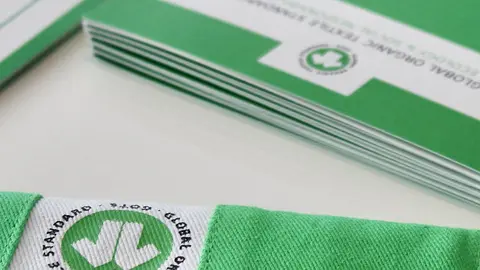
GOTS has met Green Button 2.0 requirements, affirming its dedication to sustainable manufacturing and wet processes.
The company has partnered with Coats Digital to enhance its supplier network and streamline sourcing processes for improved efficiency and transparency.
Aligning with the Responsible Wool Standard, Nike's commitment to eliminating wool production involving animal cruelty has been praised by Four Paws, with over 350 other brands joining in adopting anti-mulesing policies.
Renewcell partners with Eastman to pioneer Naia Renew ES yarns, incorporating 100% recycled Circulose textile raw material in sustainable textile innovation.
Here is FTA’s round up of Indigenous designers from across Canada you should know about:
Primark commits to reducing GHG emissions by 30% and addresses emissions throughout its value chain while prioritizing shipping over air freighting.
Danish brand GANNI has partnered with Ambercycle for its 'Fabrics of the Future' initiative by incorporating cycora®, a regenerated polyester, into its SPORT collection.
The Danish fashion brand Ganni is leading the way by showcasing samples and being the first to trial fabrics made with Rubi Lab’s groundbreaking lyocell yarn.
Ahimsa silk boasts a range of sustainable properties that contribute to a more environmentally friendly textile industry, used by Stella McCartney, Eileen Fisher, Cuyana, and more.
Alpaca wool clothing brands epitomize sustainability, each adopting distinct approaches to minimize environmental footprints and maintain ethical standards. Let's delve into the unique practices of each brand to uncover more about their commitment to a greener and more conscientious fashion industry.
Known for brands like The North Face, Timberland, and Vans, VF Corp has partnered with WBCSD and Deloitte Switzerland to launch the CTI Fashion Initiative.
Kering Group, a leading luxury fashion conglomerate with brands like Yves Saint Laurent and Gucci, aligns with industry leaders in animal welfare by pledging to remove angora materials from its products.